Anti-Dam Violence Spirals In Arunachal, Chief Minister Renews Offer Of Talks
Source Entity
NDTV News Search Records Found 1000
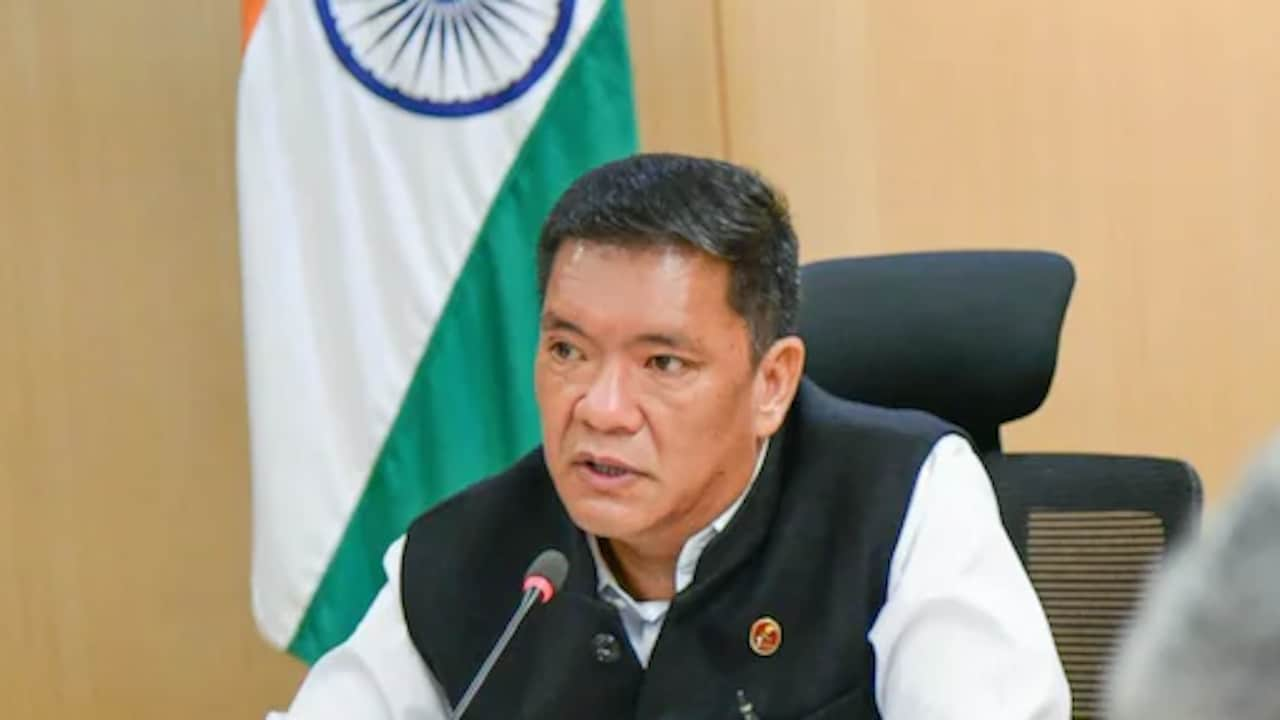
Violent protests erupted in Pasighat, Arunachal Pradesh, against the 11,200 MW Siang Upper Multipurpose Project. Demonstrators vandalized government offices and political residences, prompting calls for dialogue from Chief Minister Pema Khandu.
Escalation of Anti-Dam Protests in Arunachal Pradesh
Recent events in the East Siang District of Arunachal Pradesh have marked a significant escalation in civil unrest regarding the state's ambitious hydroelectric infrastructure plans. Hundreds of protesters, identifying with the Gen Z demographic, staged a violent demonstration in Pasighat that resulted in the destruction of public property, including the local National Hydroelectric Power Corporation (NHPC) office, a police station, and multiple government buildings. The intensity of the protest, which included the burning of seven to eight police vehicles, underscores the deep-seated anxieties surrounding the 11,200 MW Siang Upper Multipurpose Project (SUMP).
The Catalyst: The Siang Upper Multipurpose Project
The core of the conflict lies in the proposed 11,200 MW Siang Upper Multipurpose Project. While the government views such large-scale hydroelectric projects as vital for India’s energy security and economic development in the Northeast, local populations often express concerns over environmental displacement, loss of ancestral land, and the potential disruption of the Siang River ecosystem. These projects, designed to harness the immense hydro-potential of the Himalayas, frequently become flashpoints for local identity politics and land rights advocacy.
Targeting Political Infrastructure
The violence extended beyond utility offices to the private residences of several high-ranking political figures. The houses of BJP state president Kaling Moyong, along with MLAs Oni Panyang and Ninong Ering, were reportedly damaged during the unrest. This choice of targets indicates that the protesters are not merely against the dam as a technical project, but are actively challenging the political leadership responsible for the project's sanction and implementation. By targeting the homes of representatives, the protesters have moved the discourse from a bureaucratic protest to a direct confrontation with the political establishment.
The Government Response and Calls for Dialogue
Arunachal Pradesh Chief Minister Pema Khandu has officially condemned the violence, describing the destruction as an unacceptable path for grievance redressal. Despite the severity of the damage, the government has maintained a stance of diplomatic engagement, renewing its offer to sit across the table with the protesters. This approach seeks to de-escalate the volatile situation, though the level of trust between the demonstrators and the state administration remains fragile following the destruction of the police station and other state assets.
Broader Implications and Future Trends
The inclusion of Gen Z in the protest identity suggests a shifting landscape in regional activism. Younger generations in Arunachal Pradesh are increasingly utilizing social media and organized shutdowns to voice concerns about the future of their landscape. If the government fails to address the specific environmental and social concerns regarding the SUMP, such protests are likely to persist, potentially creating a pattern of cyclical violence that could delay critical infrastructure development for years to come. The future of the Siang project now hinges on whether the state can successfully integrate local community concerns into the planning phase without compromising the project's viability.
Conclusion
The events in Pasighat serve as a stark reminder of the challenges inherent in large-scale infrastructure development in ecologically sensitive and culturally distinct regions. As the state government attempts to restore order and reopen lines of communication, the focus must shift toward transparent consultation and the mitigation of socio-economic impacts. Whether this leads to a resolution or further polarization will be the defining test for political stability in the East Siang region in the coming months.
Multiple Citing Sources
Verification Required?