Arunachal govt starts village-level talks on Siang dam, protest groups hold ground
Source Entity
KANGKAN KALITA
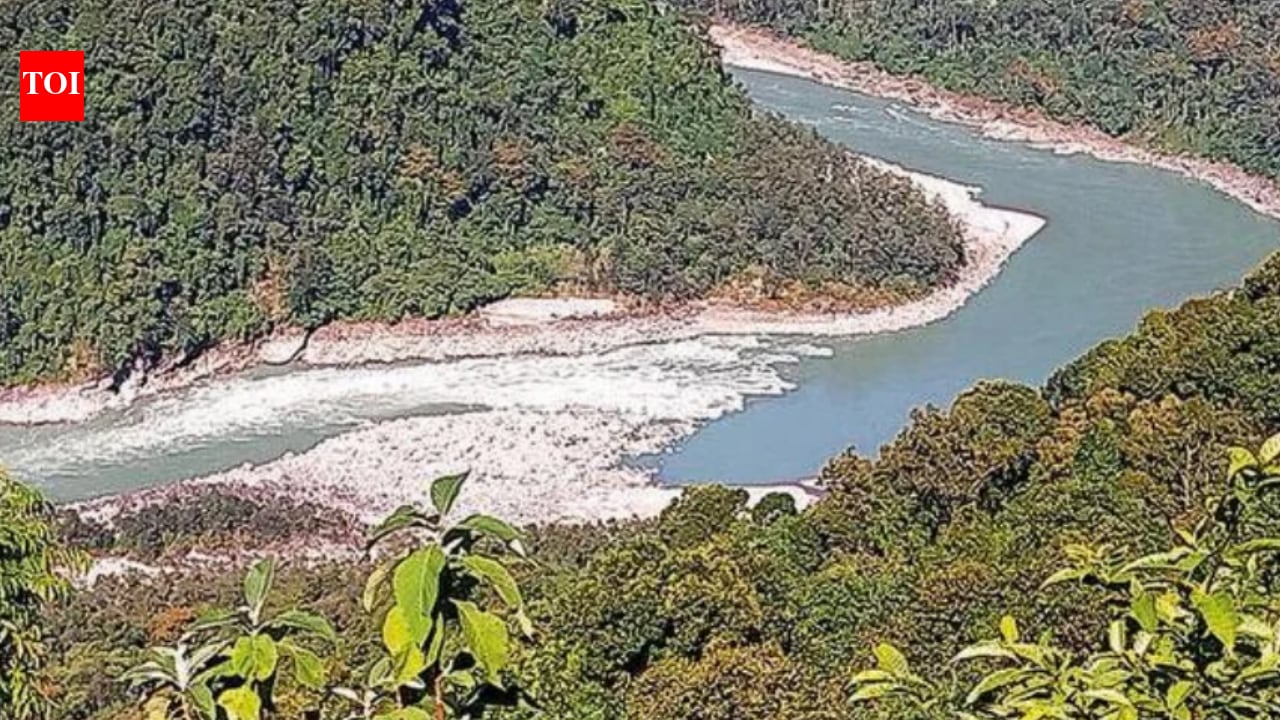
The Arunachal Pradesh government has initiated village-level consultations for the 11,200MW Siang Upper Multipurpose Project. Despite these efforts, local groups like the Adi Bane Kebang United Youth Wing-Apex remain firmly opposed, staging protests to demand the project's cancellation.
The Siang Dam Controversy: Balancing Strategic Security and Local Autonomy
The Impasse in Arunachal Pradesh
The government of Arunachal Pradesh has recently initiated a series of village-level consultations aimed at addressing community concerns regarding the proposed Siang Upper Multipurpose Project. Senior officials convened in Boleng to engage with local representatives, seeking to bridge the communication gap between developmental authorities and the indigenous population. However, the reception has been met with significant resistance, as the project remains a flashpoint for regional tension.
Strategic Geopolitics of the Siang River
At the heart of this initiative is a massive 11,200MW hydropower project. This infrastructure is envisioned by the Indian state not merely as a power generation source, but as a critical strategic counter to China’s massive 60,000MW hydropower developments upstream on the same river. Given the transboundary nature of the Siang, India views the project as essential for securing water rights and asserting territorial sovereignty in a sensitive border region.
Local Opposition and the Adi Bane Kebang
Despite the government's push for development, the Adi Bane Kebang United Youth Wing-Apex continues to hold firm in its opposition. The group has organized protests in Pasighat, signaling a deep-seated apprehension regarding the environmental, social, and cultural impacts of such a large-scale project. The insistence from these groups to halt the project entirely highlights a persistent disconnect between national strategic interests and local community priorities.
The Challenges of Consultative Governance
Effective communication has been identified as a critical necessity for navigating this impasse. The government's decision to hold discussions at the village level is an acknowledgement that top-down implementation is insufficient for projects of this magnitude. However, the robustness of the opposition suggests that unless the state can provide concrete assurances regarding land displacement and ecological preservation, the path toward consensus will remain fraught with obstacles.
Future Trends and Regional Stability
The future of the Siang Upper Multipurpose Project serves as a bellwether for how India manages infrastructure development in border regions. As the nation seeks to bolster its energy security and geopolitical standing against regional rivals, it must balance these macro-level objectives with the rights of its citizens. The ongoing protests underscore a long-term trend where developmental policy in the Northeast is increasingly scrutinized through the lenses of environmental sustainability and community consent.