Reconversion plea pending with temple, Christian family moves Kerala HC, claims ‘heckler’s veto’
Source Entity
Ananthakrishnan G
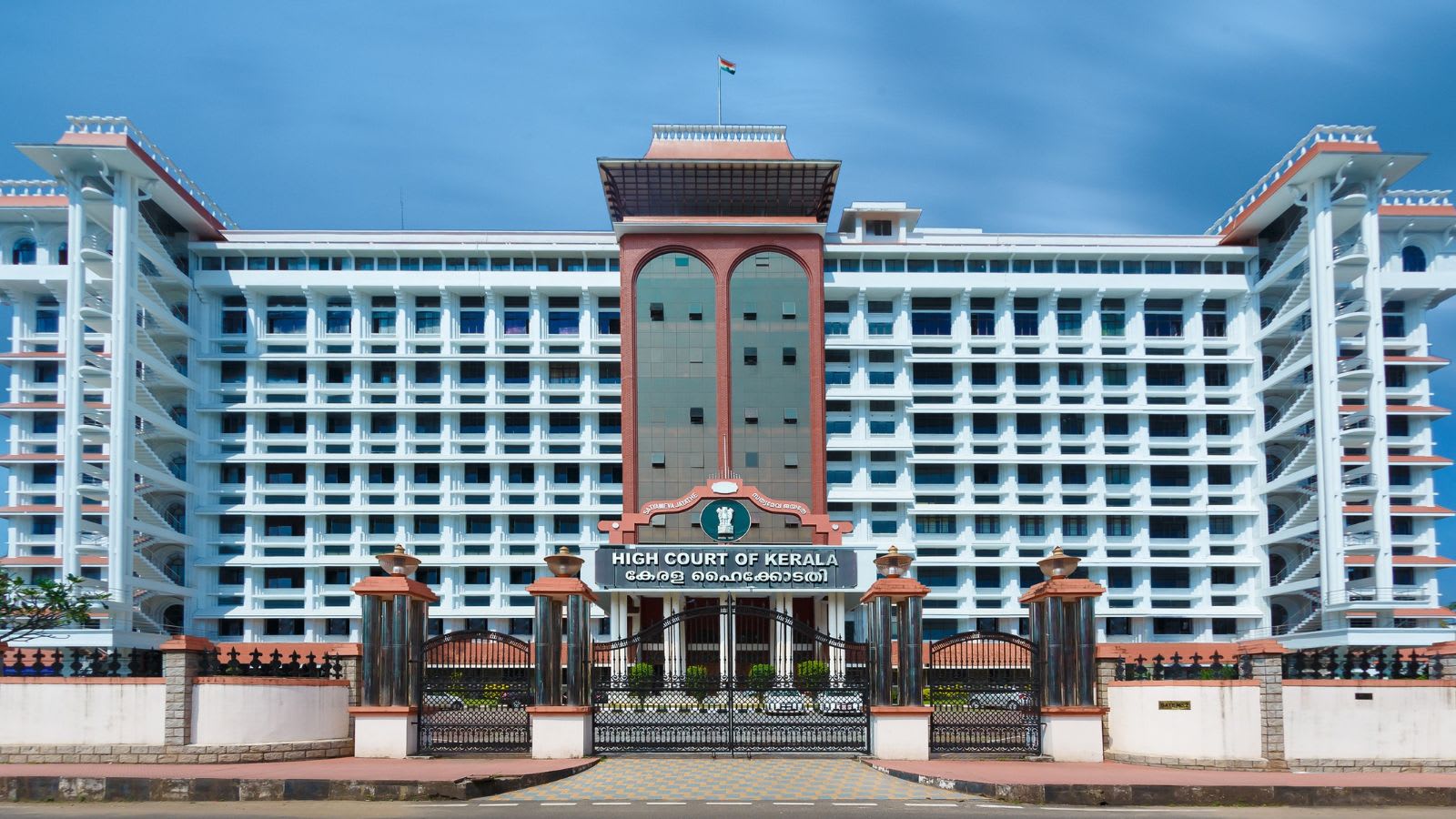
A Christian family in Kerala has moved the High Court after the Travancore Devaswom Board failed to process their request for a Hindu reconversion ceremony. The petitioners argue that the temple administration's inaction infringes upon their constitutional right to freedom of conscience.
Legal Challenge Over Religious Reconversion in Kerala
A notable legal development has emerged from Kerala, where eight members of a Christian family have petitioned the Kerala High Court. The family is seeking judicial intervention to compel the Travancore Devaswom Board (TDB) and the administration of the Kottarakkara Sree Mahaganapathy Temple to facilitate their 'Mathaparivarthanam'—a religious reconversion ceremony. The petitioners assert that this ceremony is a recognized offering within the temple's administrative framework, yet their formal request, submitted five months ago, remains unaddressed.
The 'Heckler’s Veto' Argument
Central to the family’s petition is the invocation of the 'heckler’s veto' doctrine. In this context, the petitioners argue that the temple administration's persistent inaction serves as an arbitrary barrier to their fundamental rights. By failing to process a legitimate application for a recognized ritual, the authorities are effectively silencing the petitioners' autonomy regarding their religious identity. The legal team representing the family suggests that this administrative delay constitutes an infringement upon their constitutional right to freedom of conscience and the liberty to practice their chosen faith.
Administrative Context and Religious Practice
In Kerala, the management of temples under the Travancore Devaswom Board is governed by specific bylaws and traditions. The petitioners maintain that since 'Mathaparivarthanam' is listed among the permitted 'vazhipadu' (offerings), there is no valid legal or procedural justification for the indefinite suspension of their application. This case highlights the intersection of administrative bureaucracy and the deeply personal nature of religious conversion, raising questions about the extent to which state-run temple boards can exercise discretion over ritualistic activities.
Broader Implications for Religious Liberty
This case brings into focus the broader discourse surrounding the right to change or revert to one's ancestral religion. While religious freedom is protected under the Indian Constitution, the practical execution of such changes often encounters administrative hurdles. The court's eventual ruling will likely serve as a precedent for how temple authorities handle requests for reconversion ceremonies, balancing institutional tradition with the individual's right to religious expression.
Historical and Social Significance
Religious reconversion, often referred to as 'Ghar Wapsi' in other parts of India, remains a sensitive and complex topic. In the state of Kerala, where diverse religious communities have coexisted for centuries, the legal recognition of reconversion rituals within public temples touches upon the state's secular framework and the autonomy of religious institutions. The outcome of this petition will be closely watched, as it tests the threshold of administrative accountability in the face of individual constitutional claims.
Future Trends and Judicial Oversight
As the Kerala High Court reviews this petition, the judiciary will need to carefully weigh the autonomy of the Travancore Devaswom Board against the petitioners' demand for a timely decision. If the court rules in favor of the petitioners, it may streamline the process for similar applications in the future, ensuring that temple boards cannot use silence or delays as a tool to block religious transitions. Conversely, a ruling in favor of the board could reinforce the discretion of administrators to oversee temple rituals, potentially leading to further legal debates on the definition of religious freedom within the precinct of state-regulated worship.