Tamil Nadu govt. has acquired only 24% of land required for railway projects: Ashwini Vaishnav
Source Entity
India Latest News: Top National Headlines Today & Breaking News | The Hindu
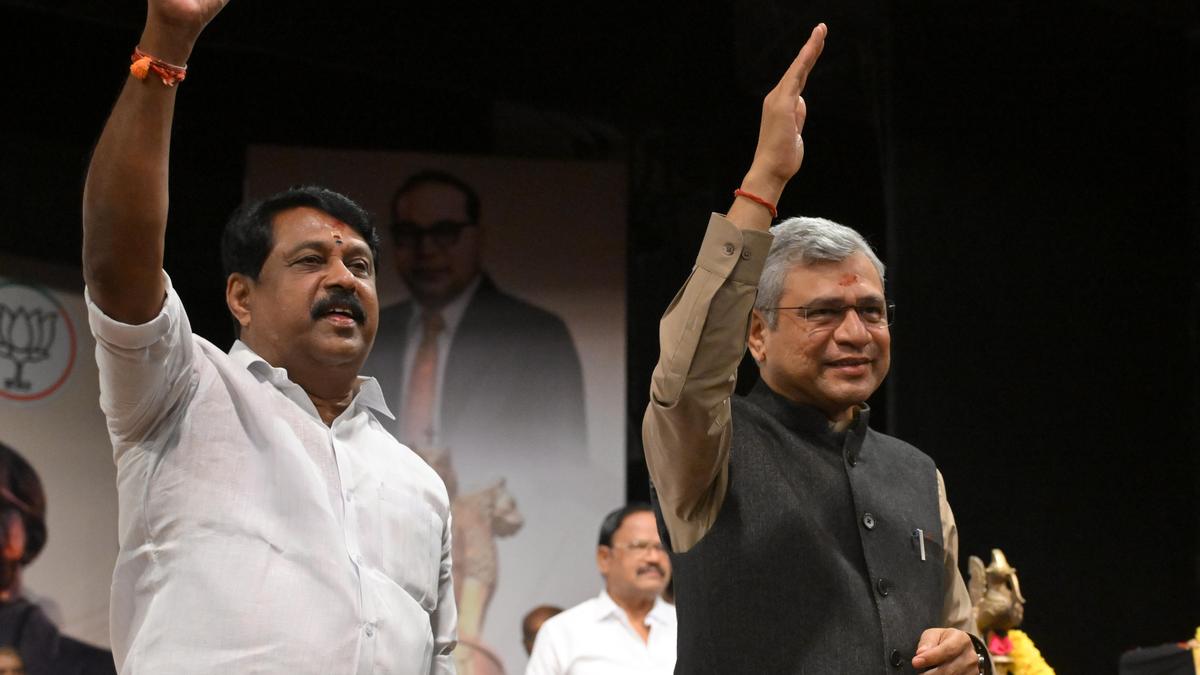
Railway Minister Ashwini Vaishnaw has urged the Tamil Nadu government to accelerate land acquisition, noting that only 24% of the required land for state railway projects has been secured. Despite Rs. 48,000 crore in sanctioned funding, progress remains stalled due to these acquisition delays.
Stalled Connectivity: The Tamil Nadu Railway Land Acquisition Crisis
Railway Minister Ashwini Vaishnaw recently highlighted a significant bottleneck in India’s infrastructure development, pointing specifically to the slow pace of land acquisition in Tamil Nadu. With only 1,253 hectares acquired out of a total requirement of 4,800 hectares, the state currently sits at a mere 24% completion rate for land handover. This deficit serves as a major impediment to the execution of sanctioned railway projects, which represent a substantial investment of Rs. 48,000 crore intended to modernize the state's rail network.
The Administrative Impasse
The core of the conflict lies in the division of responsibilities under India's federal structure. While the Ministry of Railways provides the capital and the technical expertise for project implementation, the actual process of land acquisition is a state-level administrative duty. Mr. Vaishnaw’s remarks, delivered during a Constitution Day event, underscore a growing frustration within the Union government regarding the pace of state cooperation. By framing the acquisition as a fundamental 'duty' of the state government, the Minister has turned a bureaucratic delay into a matter of political accountability.
Financial Implications and Project Viability
With Rs. 48,000 crore sanctioned for these projects, the fiscal commitment from the Union government is clear. However, capital expenditure is only effective when projects move from the planning phase to the construction phase. Land acquisition delays often lead to cost escalations, as project budgets calculated years ago may no longer reflect current market rates for materials and labor. When the state fails to provide the necessary land, the intended economic benefits—such as improved logistics, faster passenger transit, and job creation—are indefinitely postponed.
The Call for Political Accountability
By directly addressing the Tamil Nadu state leadership and urging them to treat land acquisition as a 'challenge,' the Railway Minister is attempting to leverage public discourse to catalyze action. This rhetoric suggests that the Union government is seeking to bypass the administrative inertia that often plagues large-scale infrastructure projects. The implication is that the state government’s reluctance or inability to acquire the remaining 76% of the required land is the single greatest hurdle to regional development.
Future Outlook and Infrastructure Development
Looking forward, the success of India's broader railway modernization goals depends heavily on the synergy between the Union and state governments. If the land acquisition process remains at its current pace, the timeline for completing the sanctioned projects will likely stretch significantly beyond initial estimates. For Tamil Nadu, the resolution of this issue is critical to maintaining industrial competitiveness and connectivity. Whether the state government will respond to this public call to action remains to be seen, but it is clear that until the land is transferred, the Rs. 48,000 crore investment will remain largely theoretical.
Verification Required?