Asaram's plea for interim bail: Don't want any untoward thing to happen, says Supreme Court
Source Entity
India Latest News: Top National Headlines Today & Breaking News | The Hindu
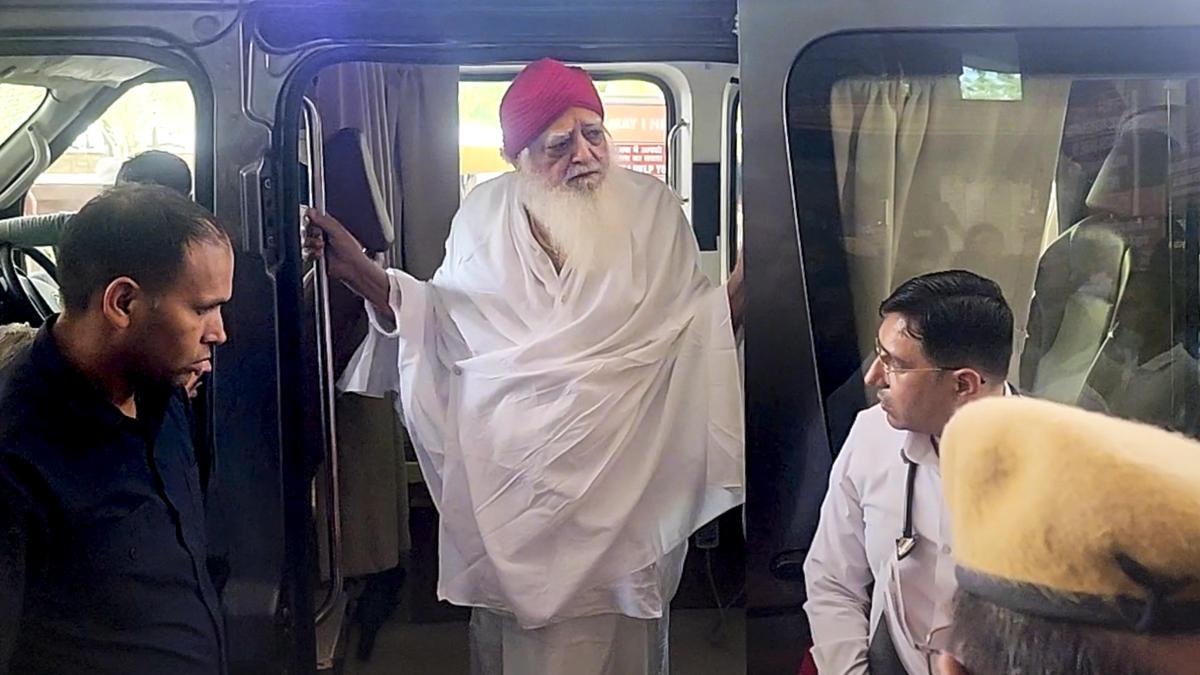
The Supreme Court is reviewing an interim bail plea from self-styled godman Asaram, who seeks release on medical grounds following his life sentence. While the Rajasthan High Court recently upheld his conviction for the 2013 rape of a minor, officials indicate that his current health needs may only require lifestyle adjustments rather than hospitalization.
Legal Developments in the Asaram Case
The legal saga surrounding self-styled godman Asaram has entered a critical phase following the Rajasthan High Court's May 27, 2026, decision to uphold his life sentence. While the court acquitted him of specific charges related to gang rape and penetrative sexual assault under the POCSO Act, the confirmation of his conviction for the 2013 rape of a minor remains a significant judicial milestone. The octogenarian, who has been a polarizing figure for over a decade, is now facing the reality of continued incarceration as the judiciary balances his fundamental rights with the gravity of his crimes.
The Supreme Court's Deliberation
Currently, the matter has shifted to the Supreme Court, where a bench comprising Justices M.M. Sundresh and P.B. Varale is presiding over an interim bail application filed by Asaram. The court’s statement, "We don't want any untoward thing to happen," reflects the judiciary's cautious approach regarding the health of elderly inmates. By directing the Rajasthan government to provide updated instructions on his medical status, the court is ensuring that human rights standards are maintained while preventing the potential for legal or procedural negligence.
Medical Grounds and Institutional Scrutiny
Asaram’s legal team has consistently cited his advanced age and deteriorating health as primary reasons for bail. However, the state’s response, presented by Solicitor General Tushar Mehta, suggests a divergence between the defense's claims and medical assessments. According to reports from AIIMS, the convict’s condition appears to be manageable through lifestyle modifications rather than requiring the intensive intervention that would necessitate release from custody. This distinction is crucial, as it challenges the narrative that his health is incompatible with continued detention.
Historical Context and Judicial Precedent
This case has been characterized by a series of legal maneuvers, including temporary bail extensions and repeated appeals. The 2013 incident at his ashram in Manai village near Jodhpur sparked national outrage, highlighting concerns over the influence of self-styled religious figures in India. The High Court’s recent decision to mandate his surrender at Jodhpur Central Jail signifies a firm stance against the indefinite stalling of justice, reinforcing the principle that medical grounds must be substantiated by clinical necessity rather than mere convenience.
Future Implications and Trends
Looking ahead, the hearing set for July 21 will be pivotal in determining whether the Supreme Court will grant any further reprieve. This case serves as a broader bellwether for how the Indian legal system handles high-profile, elderly convicts seeking medical bail. As the judiciary continues to refine its criteria for granting such relief, the outcome here will likely influence future jurisprudence regarding the intersection of prisoner healthcare and the enforcement of life sentences for serious crimes.
Multiple Citing Sources
Verification Required?