Rajasthan government should prepare contingency plan to deal with ‘drought-like’ situation: Ashok Gehlot
Source Entity
India Latest News: Top National Headlines Today & Breaking News | The Hindu
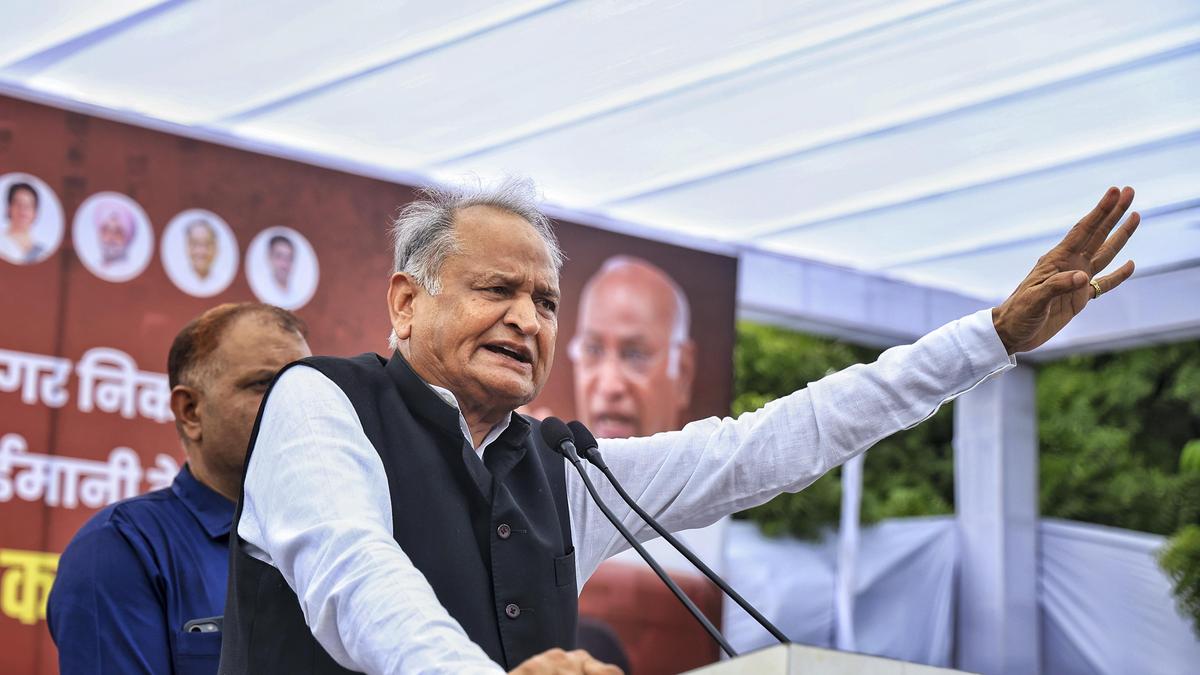
Former Rajasthan CM Ashok Gehlot has urged the state government to develop a contingency plan for emerging drought-like conditions. He highlighted critical risks to drinking water, fodder supplies, and rural employment across several districts.
Addressing the Impending Drought Crisis in Rajasthan
Former Rajasthan Chief Minister Ashok Gehlot has issued a stern warning regarding the onset of drought-like conditions currently impacting significant portions of the state. As of October 2026, the veteran Congress leader has called upon the incumbent state administration to initiate immediate contingency planning. The focus of this concern lies in the potential for a severe humanitarian and agricultural crisis as essential resources begin to dwindle in rural sectors.
Critical Resource Scarcity
The primary concerns raised by Mr. Gehlot revolve around the availability of drinking water, fodder for livestock, and the preservation of rural employment opportunities. In arid regions like Rajasthan, where the economy is heavily reliant on agriculture and animal husbandry, these three pillars are inextricably linked. The lack of adequate fodder threatens the state’s livestock population, which serves as a vital financial safety net for rural families, while water scarcity poses an immediate threat to public health and sanitation.
Regional Impact and Geographic Scope
The situation is particularly alarming when looking at the specific geographic reach of the dry spell. Reports indicate that drought-like conditions are already prevalent in approximately 2,000 villages in Jodhpur, 2,460 villages in Barmer, and 1,216 villages in additional areas. The sheer scale of this footprint suggests that the state government must mobilize resources across multiple districts simultaneously to prevent a mass migration of laborers and the loss of critical agricultural assets.
The Necessity of Proactive Governance
Mr. Gehlot’s appeal emphasizes that reactive measures are insufficient for a crisis of this magnitude. By demanding a contingency plan be drafted immediately, he is advocating for a shift from disaster management to disaster preparedness. This includes pre-positioning water tankers, securing fodder reserves, and potentially expanding public employment schemes to absorb the workforce that may be displaced by failing harvests.
Economic Implications and Policy Demands
Beyond resource management, the former Chief Minister has called for the waiver of farm loans. This policy demand reflects the broader economic anxiety currently felt by the farming community. When drought strikes, the inability to service debt can lead to cycles of poverty and, in extreme cases, severe financial distress. A loan waiver, in the context of a declared drought, is often viewed by proponents as a vital stimulus to keep rural economies afloat during periods of extreme environmental stress.
Outlook and Conclusion
The road ahead for the Rajasthan government will be defined by its ability to coordinate with local administrations to mitigate the impact of this dry spell. As weather patterns become increasingly unpredictable, the state's capacity to manage water and fodder reserves will serve as a bellwether for its administrative efficacy. Whether the current leadership adopts these recommendations will be the deciding factor in how effectively the state protects its most vulnerable rural populations through the coming months.
Verification Required?