Missing since July, Premanand Maharaj’s teen disciple traced to another ashram
Source Entity
The Indian Express
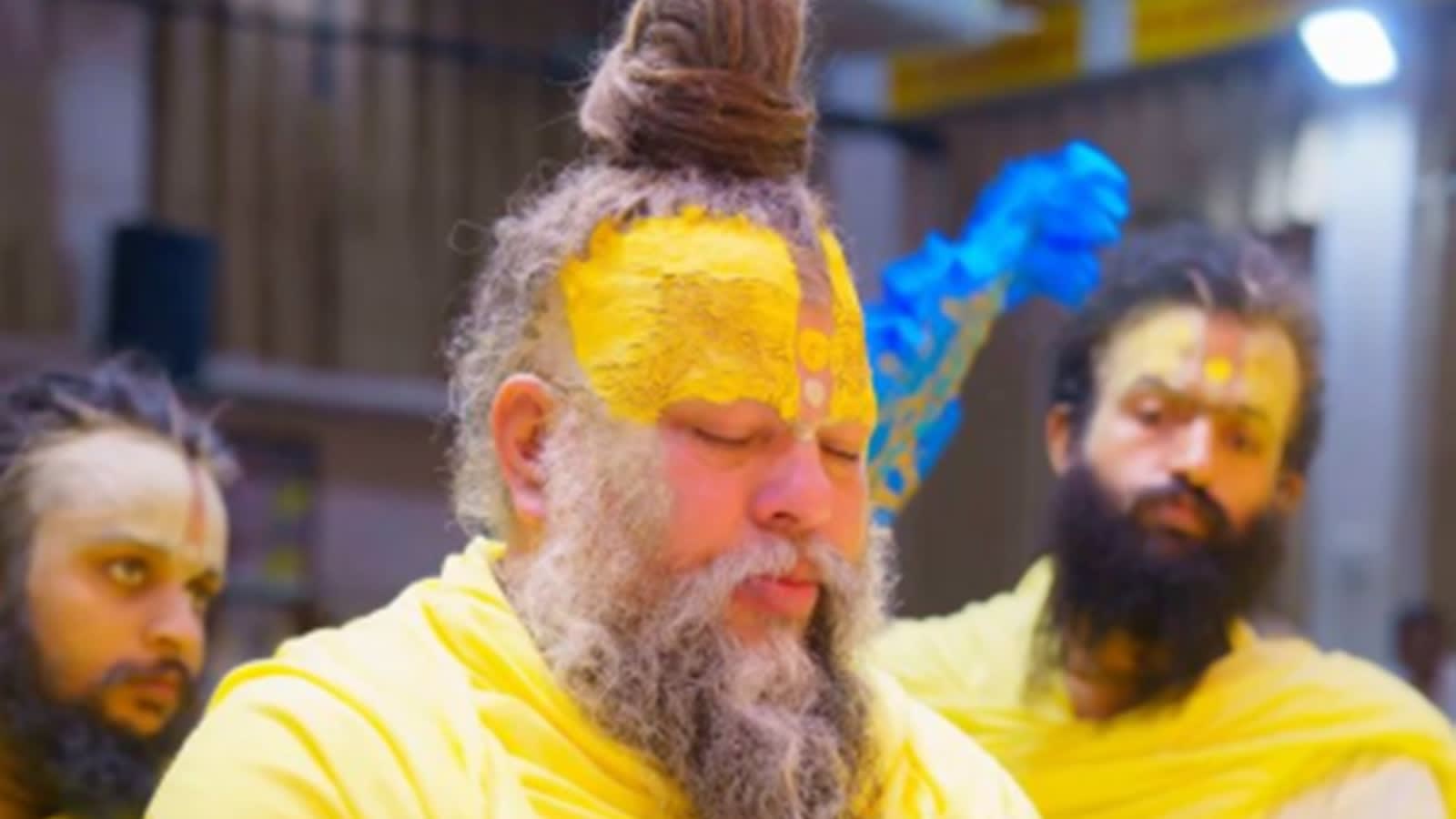
A 17-year-old disciple of Premanand Maharaj, missing since July, has been located at an ashram in Barsana after a public protest by his family. The teen was found safe following police intervention in the Mathura district.
The Disappearance and Recovery of Anuj Chaudhary
The case of 17-year-old Anuj Chaudhary, a disciple of the prominent Vrindavan-based spiritual leader Premanand Maharaj, highlights the complexities surrounding the oversight of young devotees within large ashram networks. For three months, the youth’s family from the Hathras district was left in a state of uncertainty, leading to a period of intense public distress and accusations against the management of the Shri Radha Keli Kunj Ashram.
The Anatomy of the Search
The tension escalated on Friday when the family staged a formal protest near the Vrindavan ashram. The core of their grievance was the alleged lack of transparency from ashram authorities, whom the family accused of withholding critical information regarding the teenager's location since his disappearance in July. Such incidents underscore the communication gaps that can occur between spiritual institutions and the families of their followers, often necessitating police involvement to bridge the divide.
Police Intervention and Resolution
Following the protest, senior police officials in the Mathura district intervened, providing the family with assurances that led to the withdrawal of their demonstration. This diplomatic approach by local law enforcement was instrumental in de-escalating a potentially volatile situation. By Saturday evening, the police successfully traced Anuj Chaudhary to an ashram in the Barsana area, approximately 45 kilometers from the original site of his association.
Broader Implications for Ashram Management
This event raises important questions regarding the duty of care that spiritual organizations owe to minors under their influence. While the spiritual magnetism of gurus like Premanand Maharaj attracts thousands, the administrative responsibility for the well-being and whereabouts of young disciples remains paramount. The fact that the teen was located in a different ashram suggests a degree of mobility that was not communicated to the guardians, highlighting a breakdown in reporting protocols.
Socio-Cultural Context in Vrindavan
Vrindavan, as a major center for pilgrimage and spiritual study, frequently hosts individuals from across India who seek guidance from various gurus. However, the transient nature of this population can complicate missing-person investigations. The successful recovery of Anuj Chaudhary serves as a reminder of the necessity for robust administrative tracking within religious institutions to ensure that spiritual pursuit does not come at the cost of familial safety and transparency.
Conclusion
Ultimately, the resolution of this case brings relief to the Chaudhary family but serves as a cautionary tale for similar institutions. Moving forward, it is likely that such organizations will face increased scrutiny regarding their management of minor disciples. The reliance on local police to resolve these private-sector disputes emphasizes the essential role of state oversight in maintaining order and safety within the spiritual tourism sector.