10 years, a murder conviction, but no death certificate – until now
Source Entity
Sadaf Modak
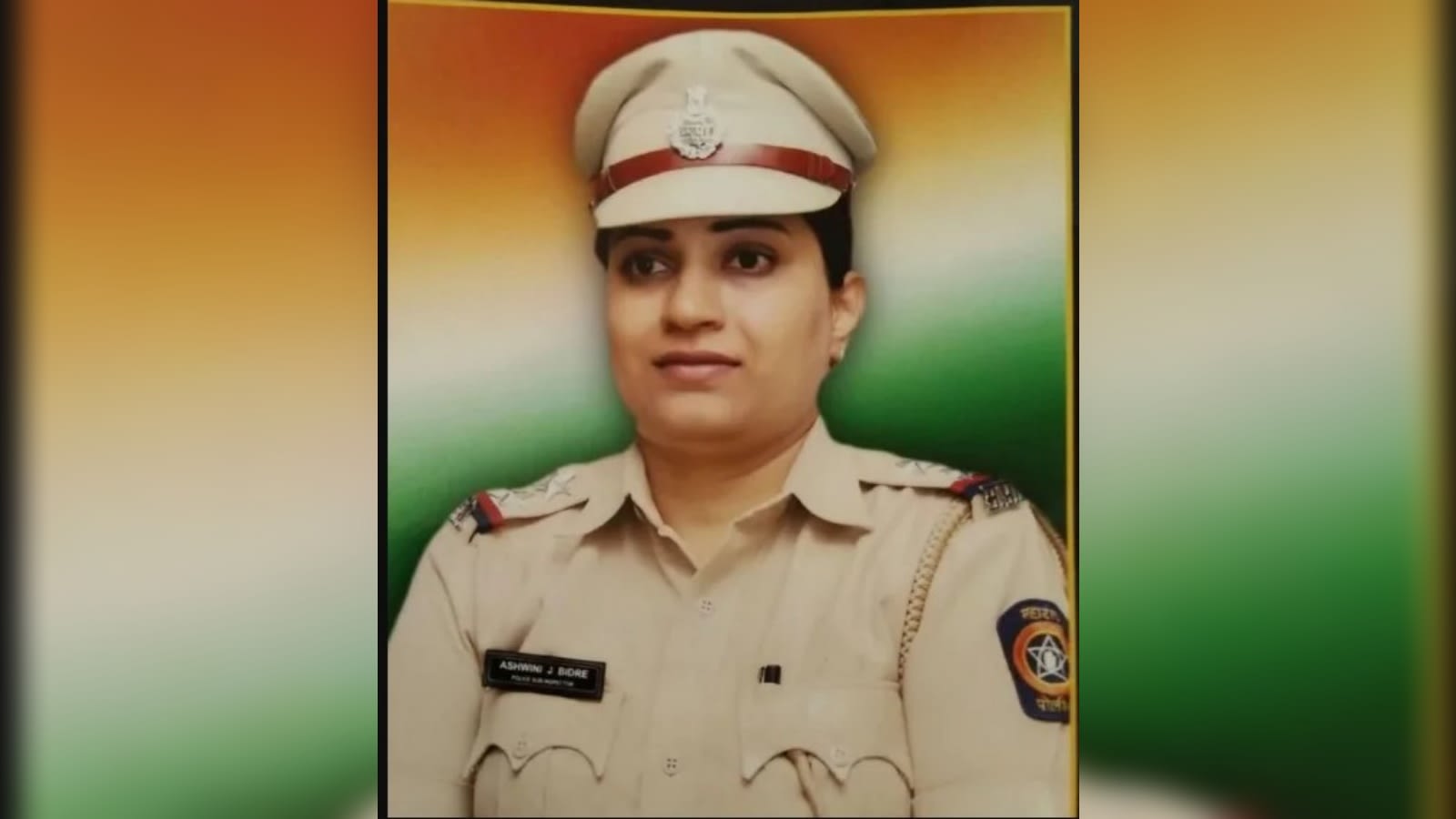
The family of murdered assistant inspector Ashwini Bidre has finally received her death certificate over a decade after her disappearance. Despite the body never being recovered, a court-ordered mandate facilitated the issuance following the 2025 conviction of her murderer.
A Decade of Uncertainty: The Ashwini Bidre Case
More than a decade after assistant inspector Ashwini Bidre vanished, her family has reached a somber milestone: the receipt of her formal death certificate. Bidre, who served with the Navi Mumbai Police, was last seen on April 11, 2016, near the Kharghar railway station. Her disappearance triggered a long, arduous legal journey that highlighted the complexities of proving a homicide without the recovery of physical remains.
The Legal Battle for Recognition
The issuance of the death certificate by the Panvel Municipal Corporation is not merely a bureaucratic formality; it is a critical conclusion to a traumatic chapter. For years, the lack of a death certificate created significant hurdles for the family, complicating legal and administrative matters. The intervention of an Executive Magistrate, following a July 31 order, was the decisive factor that compelled the authorities to acknowledge the death, regardless of the fact that Bidre’s body was never recovered during the investigation.
Justice Served: The Conviction of Abhay Kurundkar
The judicial process culminated on April 21, 2025, when a Panvel sessions court convicted former police inspector Abhay Kurundkar for the murder of Bidre. Kurundkar was subsequently sentenced to life imprisonment, while two other individuals involved in the case received seven-year sentences. This conviction serves as a rare instance where the legal system successfully prosecuted a homicide case despite the absence of a corpus delicti, relying instead on circumstantial and forensic evidence gathered over the years.
Implications of 'Missing' Murder Cases
The Ashwini Bidre case underscores the immense challenges faced by investigators and families in cases involving missing persons who are suspected victims of foul play. Without a body, families are often left in a state of 'limbo,' unable to perform final rites or settle the deceased's affairs. The reliance on an Executive Magistrate's order to bypass the traditional requirement of a body for a death certificate sets a significant precedent for similar cases in the Indian legal system, prioritizing judicial truth over physical discovery.
Future Trends in Forensic Justice
As forensic technology continues to evolve, the reliance on physical remains to secure murder convictions is slowly shifting. While the recovery of a body remains the 'gold standard' for prosecutors, cases like this illustrate that a robust chain of evidence, witness testimony, and digital footprints can lead to successful convictions. The future of such investigations will likely lean more heavily on data-driven evidence to bridge the gap when physical evidence is missing, ensuring that perpetrators are held accountable even when they attempt to destroy the primary evidence of their crime.
Conclusion
For the family of Ashwini Bidre, the receipt of the death certificate is a bittersweet end to a ten-year ordeal. While it provides the necessary closure to conclude administrative affairs, it serves as a permanent record of a life cut short by violence. The case remains a poignant reminder of the perseverance required to navigate the justice system when confronted with the darkest of human actions.