As Assam floodwaters recede, focus on relief for animals
Source Entity
India Latest News: Top National Headlines Today & Breaking News | The Hindu
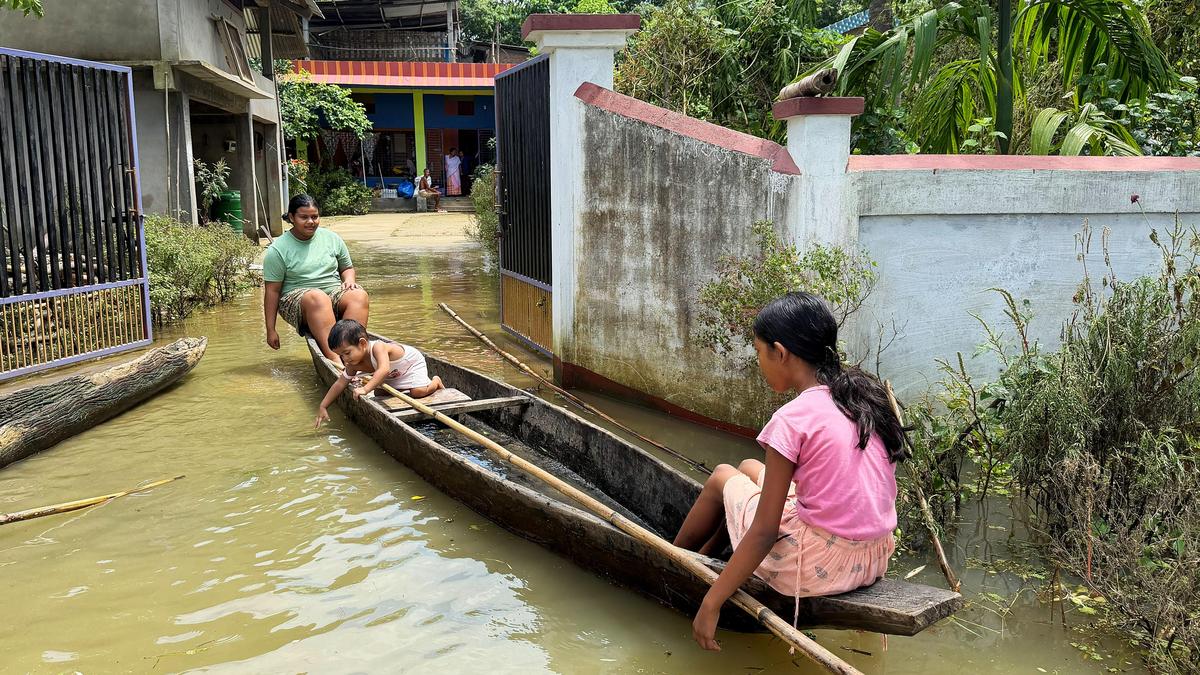
As Assam's severe floods recede, relief efforts have shifted toward animal welfare through medical camps. Over 10,000 traumatized livestock and pets are receiving care following a disaster that has claimed 68 lives and affected nearly 900,000 animals.
Assam Flood Recovery: Prioritizing Animal Welfare
As the floodwaters begin to recede across the state of Assam, the humanitarian and ecological focus has shifted toward the critical task of post-disaster animal welfare. The current crisis, described as the most devastating in the last 60 years, has left a trail of destruction that extends far beyond human infrastructure. With 68 human lives lost and over 7.5 lakh people displaced, the state is now grappling with the secondary crisis of managing the health and survival of millions of affected animals.
Collaborative Relief Efforts
In a significant move to mitigate the suffering of displaced fauna, the Assam Animal Husbandry and Veterinary Department has entered into a strategic partnership with animal welfare organizations, specifically the Humane World for Animals India and the local NGO Just Be Friendly. This collaborative initiative is currently conducting extensive medical camps, which have already provided critical care to more than 10,000 traumatized livestock and pets. These camps serve as a lifeline, addressing injuries, disease outbreaks, and malnutrition that inevitably follow such large-scale waterlogging.
The Scale of the Ecological Impact
The sheer scale of the impact is underscored by data from the Assam State Disaster Management Authority, which reports that 8.82 lakh animals—comprising both farmed livestock and companion pets—have been directly affected by the deluge. The tragic loss of 26,512 animals, including fowls and pets swept away by the currents, highlights the vulnerability of domestic and agricultural animals during extreme weather events. In regions like Charaideo, Jorhat, and Sivasagar, where the flooding has been particularly severe, the loss of livestock represents not just an animal welfare issue, but a profound economic blow to rural livelihoods.
Challenges in Post-Flood Recovery
Receding waters bring their own set of challenges, including the increased risk of waterborne diseases and the contamination of grazing lands. The medical camps are essential in preventing the spread of zoonotic diseases that could threaten both the surviving animal population and the human communities attempting to return to their homes. The trauma experienced by these animals, coupled with the loss of shelter and food sources, requires a sustained recovery strategy that integrates veterinary care into the broader disaster management framework.
Future Implications and Policy Trends
This disaster highlights the necessity of incorporating animal rescue and veterinary support into official state disaster response protocols. As climate change continues to increase the frequency and intensity of monsoonal flooding in Northeast India, the precedent set by this partnership between NGOs and the Animal Husbandry Department may serve as a blueprint for future resilience strategies. Moving forward, the integration of long-term animal rehabilitation and sustainable agricultural recovery will be vital in protecting the state's rural economy and animal welfare standards.
Conclusion
The ongoing relief efforts in Assam demonstrate a commendable commitment to addressing the plight of all living beings affected by the recent catastrophe. While the human toll remains the primary focus of recovery, the inclusion of veterinary services in the relief phase ensures that the state can recover more holistically. By prioritizing the health of the 10,000-plus animals currently receiving aid, authorities are taking a vital step toward stabilizing the communities impacted by this historic flood event.
Verification Required?