Assam flood toll rises: 21 killed in a day; over 5.6 lakh affected across 16 districts
Source Entity
TOI NEWS DESK
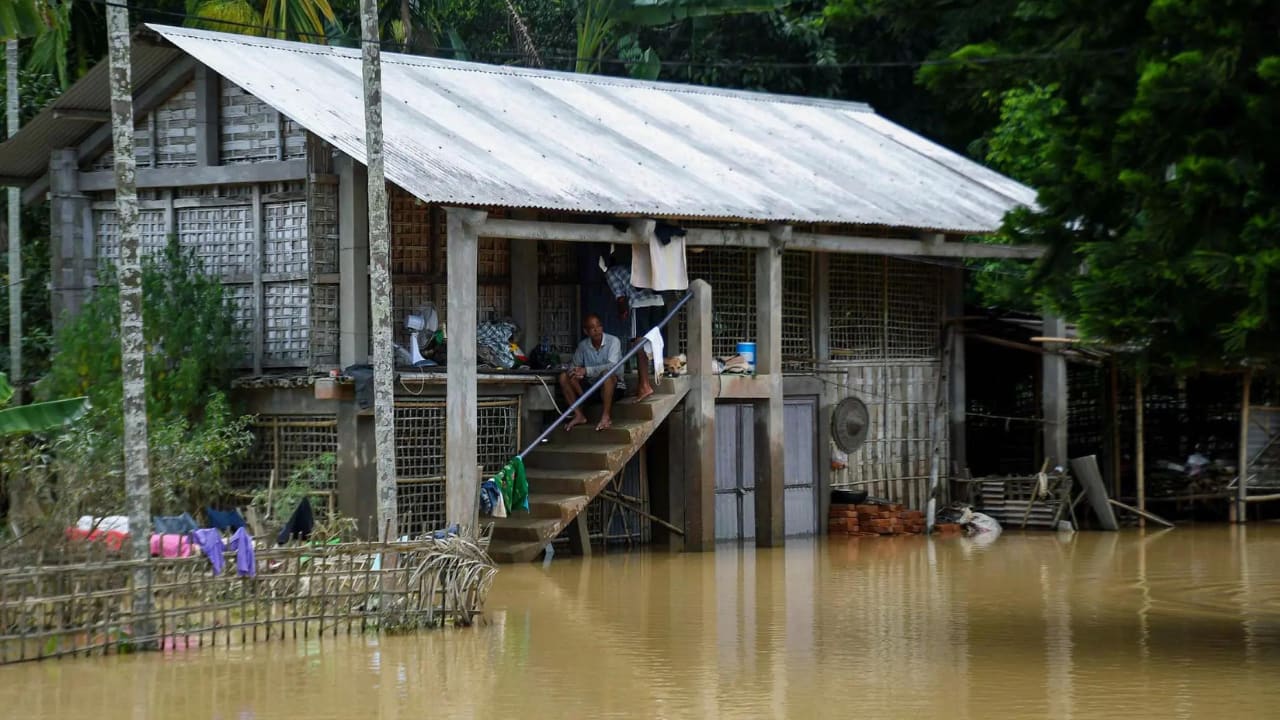
Assam faces a severe flood crisis with 21 deaths recorded in a single day, bringing the total toll to 31. Over 5.6 lakh people across 16 districts are currently affected by the worsening deluge.
Assam Flood Crisis: A Deadly Surge
The state of Assam is currently grappling with a catastrophic flood situation that saw a sharp escalation on July 21, 2026. According to the Assam State Disaster Management Authority (ASDMA), a staggering 21 lives were lost in a single 24-hour period, marking one of the most lethal single-day flood events in recent memory. This surge has pushed the total death toll for the current monsoon season to 31, underscoring the rapid deterioration of safety conditions across the state.
The Scale of Destruction
The impact of the flooding is widespread, with the ASDMA reporting that over 5.64 lakh people are now affected across 16 districts. The deluge has inundated 872 villages and destroyed approximately 24,210.35 hectares of agricultural land. The rapid rise in the number of affected individuals—jumping from 3.63 lakh on the previous day—highlights the volatile nature of the water levels and the immediate threat posed to rural livelihoods and infrastructure.
Geographical Impact and Hardest-Hit Areas
The eastern region of Assam has borne the brunt of this disaster. Sivasagar district remains the epicenter of the crisis, with 3.59 lakh people affected and 13 of the 21 recent fatalities occurring within its borders. Other districts, including Charaideo (five deaths), Golaghat (two deaths), and Jorhat (one death), are also experiencing severe distress. The concentration of damage in these eastern districts suggests a specific vulnerability in the drainage basins and river systems of that geography.
Immediate Humanitarian and Environmental Context
Beyond the loss of life, the economic and social ramifications are profound. With over 24,000 hectares of crop area under water, the local agricultural sector faces significant long-term losses, threatening food security and the economic stability of farming communities. The imagery of residents stranded on the steps of inundated homes serves as a sobering reminder of the physical isolation and lack of basic services that accompany such large-scale flooding.
Future Trends and Resilience
Given the history of seasonal flooding in Assam, this event underscores the urgent need for robust disaster management and infrastructure resilience. As climate patterns become increasingly unpredictable, the state faces the recurring challenge of managing water levels that frequently exceed existing mitigation systems. Future efforts will likely need to focus on improved early warning systems and long-term land-use planning to minimize the human cost of these inevitable, yet increasingly severe, weather events.
Multiple Citing Sources