CBI arrests EPFO enforcement officer for ‘accepting’ Rs 2.5-lakh bribe, sent to judicial custody
Source Entity
The Indian Express
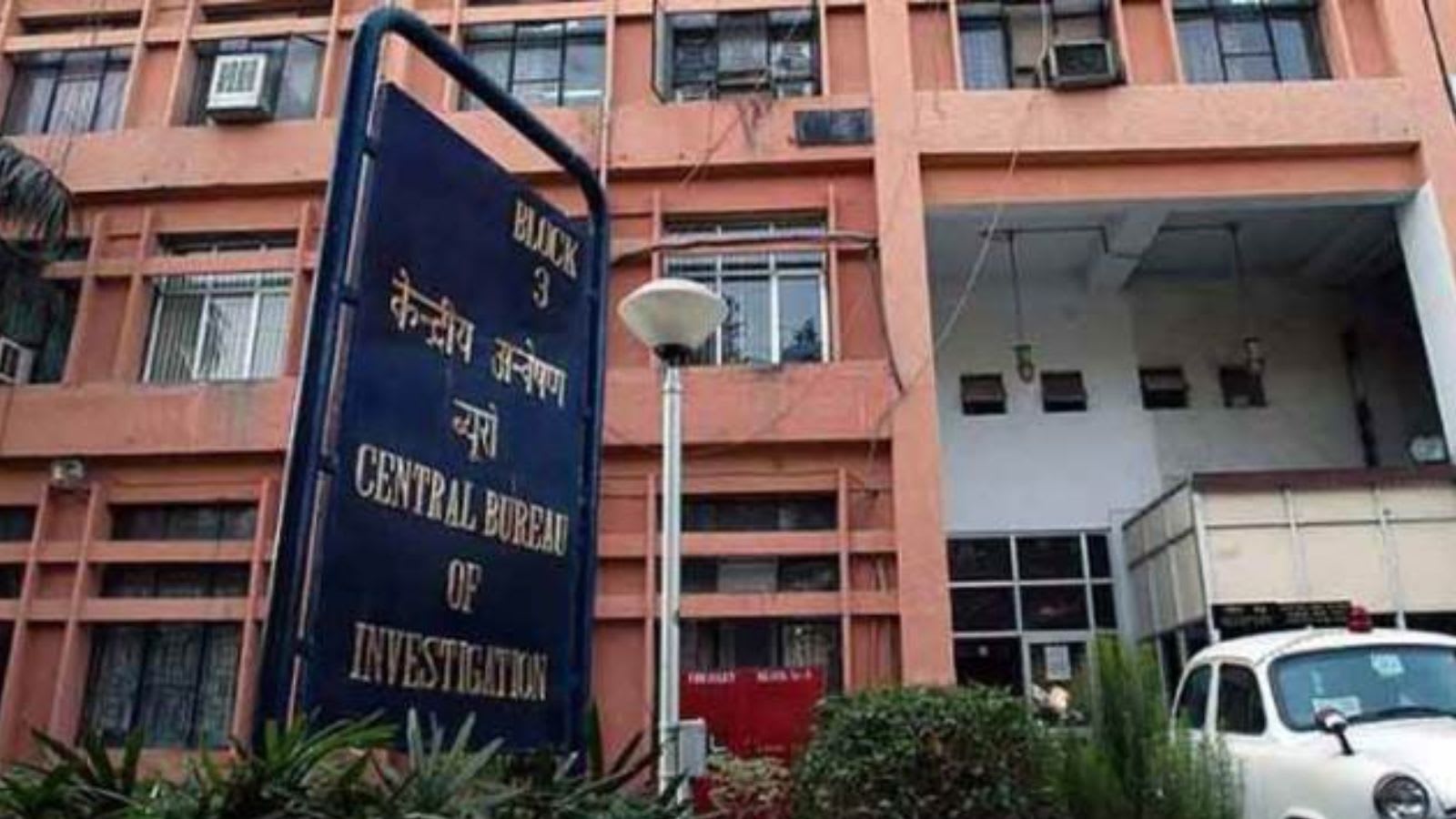
The CBI has arrested an EPFO enforcement officer in Patiala for allegedly accepting a Rs 2.5-lakh bribe. The arrest follows a complaint regarding a pending inquiry under the Employees’ Provident Funds and Miscellaneous Provisions Act.
Corruption Crackdown: EPFO Official Arrested in Patiala
The Incident Overview
The Central Bureau of Investigation (CBI) has taken significant action against administrative corruption by arresting an enforcement officer affiliated with the Employees’ Provident Fund Organisation (EPFO) in Patiala. The official, identified as Shubham Tyagi, was apprehended allegedly while in the process of accepting a bribe amounting to Rs 2.5 lakh. This arrest highlights the ongoing efforts by federal investigative agencies to curb graft within government institutions that manage public social security funds.
Legal Framework and Complaint Details
The investigation was initiated following a formal complaint lodged by Harshit Jindal, an EPF compliance consultant. According to the FIR registered on July 22, the case centers on an inquiry involving a client of Jindal’s, Karampal Gir, who was subject to proceedings under Section 7A of the Employees’ Provident Funds and Miscellaneous Provisions Act. The CBI verified the veracity of the complaint on July 21, establishing the necessary grounds for a sting operation that led to the arrest of the official under Section 7 of the Prevention of Corruption Act, 1988, as amended in 2018.
The Role of Section 7A Inquiries
Section 7A of the Employees’ Provident Funds and Miscellaneous Provisions Act grants EPFO authorities the power to determine the amount due from an employer. Because this process involves significant financial implications for businesses, it has historically been identified as a pressure point where administrative officials may exert undue influence. The alleged demand for a bribe in this context suggests an abuse of this regulatory authority, transforming a routine compliance check into an opportunity for personal enrichment.
Implications for Institutional Integrity
The arrest of an EPFO enforcement officer underscores the persistent challenge of corruption within departments that interact directly with the public and business entities. By targeting an official involved in compliance inquiries, the CBI is sending a strong message regarding the oversight of mid-level administrative roles. Such incidents often undermine public trust in statutory bodies that are meant to safeguard the retirement savings and financial security of the workforce.
Future Trends in Anti-Corruption Efforts
As the government moves toward increased digitization of EPFO services, the goal remains to reduce direct human intervention in compliance inquiries to minimize such instances of bribery. However, until full automation is achieved, the role of investigative bodies like the CBI remains critical in acting as a deterrent. Future trends will likely see a more robust internal audit mechanism within the EPFO to monitor officials handling sensitive Section 7A cases, ensuring that the regulatory process remains transparent and free from exploitation.