Detentions, Demolitions Will Worsen Situation: Omar Abdullah After Cop Killing
Source Entity
NDTV News Search Records Found 1000
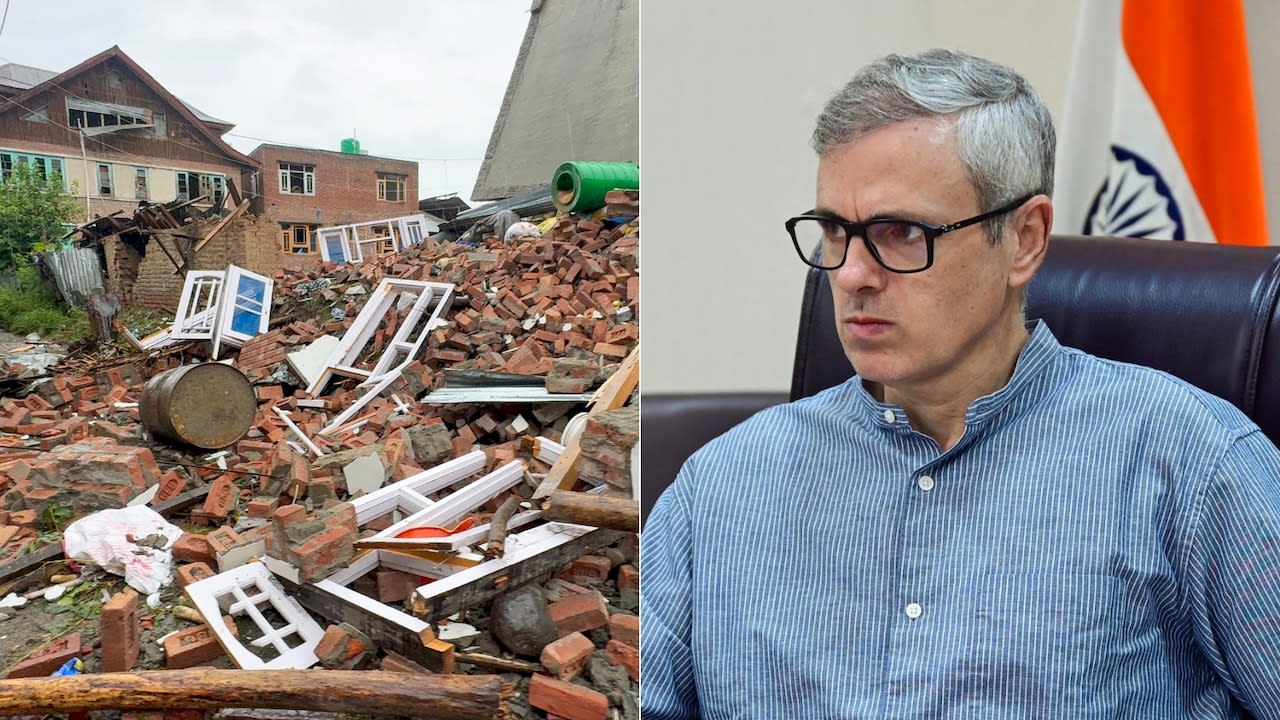
Jammu and Kashmir is grappling with a dual crisis of devastating natural disasters in Poonch and escalating security-related tensions in Anantnag. As families mourn landslide victims, political leaders are clashing with security policies regarding house demolitions.
A Region Under Siege: Natural and Political Turmoil in Jammu & Kashmir
The Union Territory of Jammu and Kashmir is currently navigating a period of profound instability, marked by both catastrophic environmental events and intensifying security-related friction. The disparate tragedies—a deadly landslide in Poonch and the controversial demolition of homes in Anantnag—underscore the fragility of life and governance in the region, highlighting the immense challenges faced by residents and the administration alike.
The Poonch Tragedy: Nature’s Relentless Toll
In the foothills of the Pir Panjal, the human cost of the monsoon season has been devastating. Mohammad Latief, a 59-year-old resident, serves as a tragic symbol of this loss; he watched his five-storeyed home, affectionately dubbed the ‘Taj Mahal,’ reduced to a steel frame by a massive landslide on July 19. The disaster claimed the lives of his wife, daughter, three sons, and a toddler grandson. With a regional death toll reaching 28, the majority of whom perished in Poonch, these events highlight the increasing vulnerability of mountainous settlements to extreme weather patterns linked to intense, unrelenting rainfall.
Escalating Security Measures in Anantnag
Simultaneously, the security landscape in South Kashmir has shifted toward more aggressive tactics. On July 23, 2026, security forces conducted operations in Guri village and Hassanpora Tawella, utilizing explosives to demolish the residential homes of suspected terrorists. These actions followed the killing of a police officer in Anantnag. While security officials view such demolitions as a deterrent, the collateral damage—including reports of a nearby mosque and vehicle being affected—has stirred local resentment and raised significant human rights questions.
The Political Divide: Force vs. Reconciliation
Chief Minister Omar Abdullah has publicly criticized these demolition tactics, arguing that mass arrests and the destruction of property are counterproductive to long-term stability. Abdullah’s stance emphasizes that peace cannot be achieved through force alone but requires the support and trust of the local population. He further noted that these demolitions appear to run contrary to directives established by the Supreme Court, signaling a potential constitutional friction point between executive security operations and judicial oversight.
Broader Implications and Future Outlook
The juxtaposition of these events creates a volatile environment. The government must balance the immediate demands of disaster relief in areas like Poonch with the complex, long-term challenge of maintaining order in the Kashmir Valley. The reliance on punitive demolitions as a security strategy remains a point of contention that threatens to alienate the local populace, potentially complicating efforts to restore normalcy. Moving forward, the administration faces the dual pressure of managing climate-induced infrastructure collapse and navigating the delicate political fallout of its security policies. The path to stability will likely depend on whether the state can reconcile its security imperatives with the legal and social concerns voiced by its leadership and citizens.
Multiple Citing Sources
Verification Required?