17 metro stations in Delhi to remain closed tomorrow starting 7.30am; check list
Source Entity
TOI CITY DESK
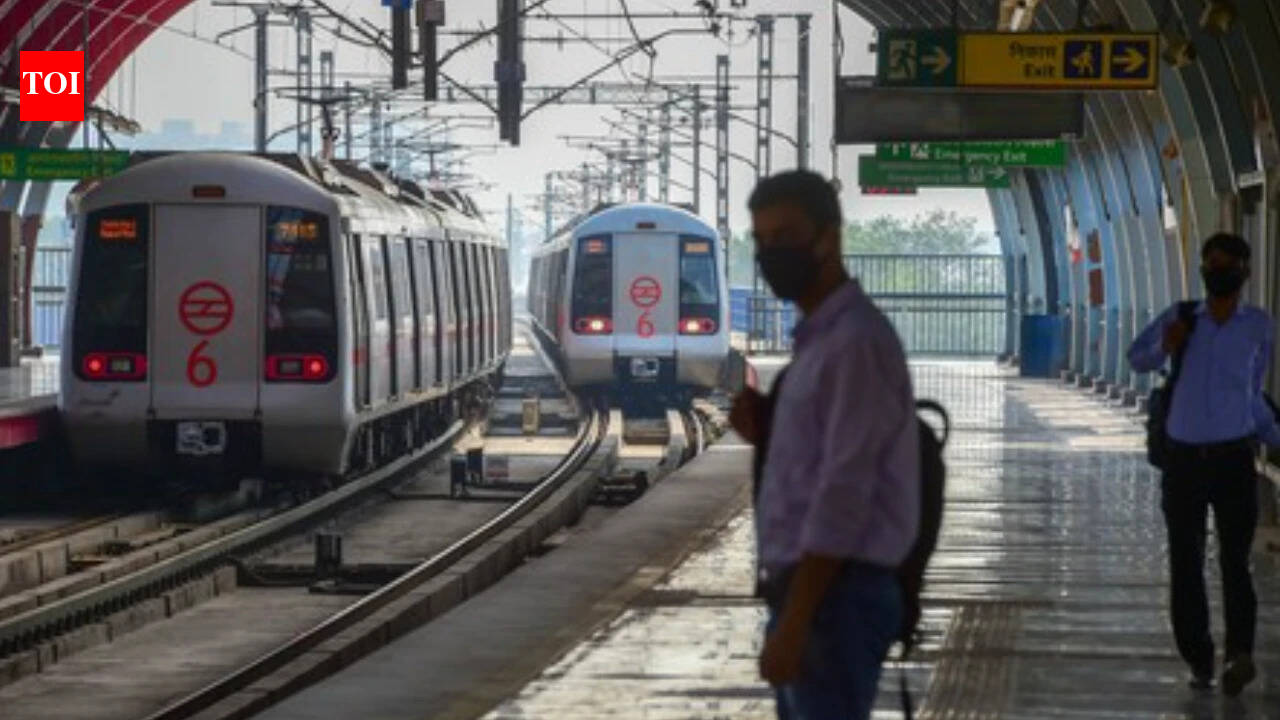
Delhi authorities have shuttered 17 metro stations and suspended mobile internet near Jantar Mantar due to ongoing protests. Connaught Place businesses have also been ordered to close to maintain security in the central district.
Unprecedented Security Measures in Central Delhi
The Delhi Metro Rail Corporation (DMRC) has enacted a significant operational shift by closing 17 metro stations across central Delhi, effective from 7:30 AM on Friday. This directive, issued in response to ongoing protests by the CJP at Jantar Mantar, highlights the administration's commitment to maintaining law and order in the heart of the national capital. While interchange facilities at key junctions remain functional, the widespread station closures reflect a high-alert status rarely seen in recent urban management.
Digital and Commercial Restrictions
Beyond the physical transit disruptions, the government has moved to curb digital communication by suspending mobile internet services within a 1.5-kilometer radius of the Jantar Mantar protest site. This measure, set to last until midnight, is designed to prevent the rapid mobilization of crowds and the spread of inflammatory content. Complementing these digital restrictions, the commercial heart of the city, Connaught Place, has seen a mandatory cessation of operations, with all shops and restaurants closing by 6:30 PM today to mitigate potential public safety risks.
Impact on Urban Mobility
For the millions of commuters who rely on the Delhi Metro, these restrictions pose a significant logistical challenge. By shuttering central nodes, the DMRC is effectively forcing a redirection of transit flow, which will likely cause ripple effects across the entire network. Commuters are advised to exercise patience and seek alternate routes, as the density of security personnel and the nature of the protests make the central business district largely inaccessible to the general public.
Broader Implications of Protest Management
These measures underscore the complex balance between the right to protest and the necessity of maintaining public safety in a densely populated metropolis. The use of transit closures and internet blackouts as tools for crowd control has become a recurring theme in Delhi’s security strategy. By limiting access to central hubs like Jantar Mantar, the state aims to isolate protest activities, thereby preventing the escalation of civil unrest that could paralyze city operations.
Historical Context and Future Trends
Historically, Jantar Mantar has served as the primary venue for democratic expression in Delhi. However, the increasing frequency of large-scale protests has forced authorities to adopt more aggressive containment strategies. If these trends continue, we may see a more permanent shift toward 'security-first' urban planning, where the ability to rapidly lock down transit and communication networks becomes a standard feature of city management. Residents should prepare for similar disruptions whenever high-profile demonstrations are scheduled in the capital.
Conclusion
As the situation in central Delhi remains fluid, the priority for authorities remains the prevention of property damage and the preservation of public order. While the current measures are temporary, they serve as a stark reminder of how quickly the administrative pulse of a capital city can be altered by civil unrest. Citizens are encouraged to remain updated through official DMRC channels and local government advisories as the situation develops.