To ease Delhi traffic congestion, PWD to construct Karawal Nagar, Brittania Chowk elevated flyovers
Source Entity
Gayathri Mani
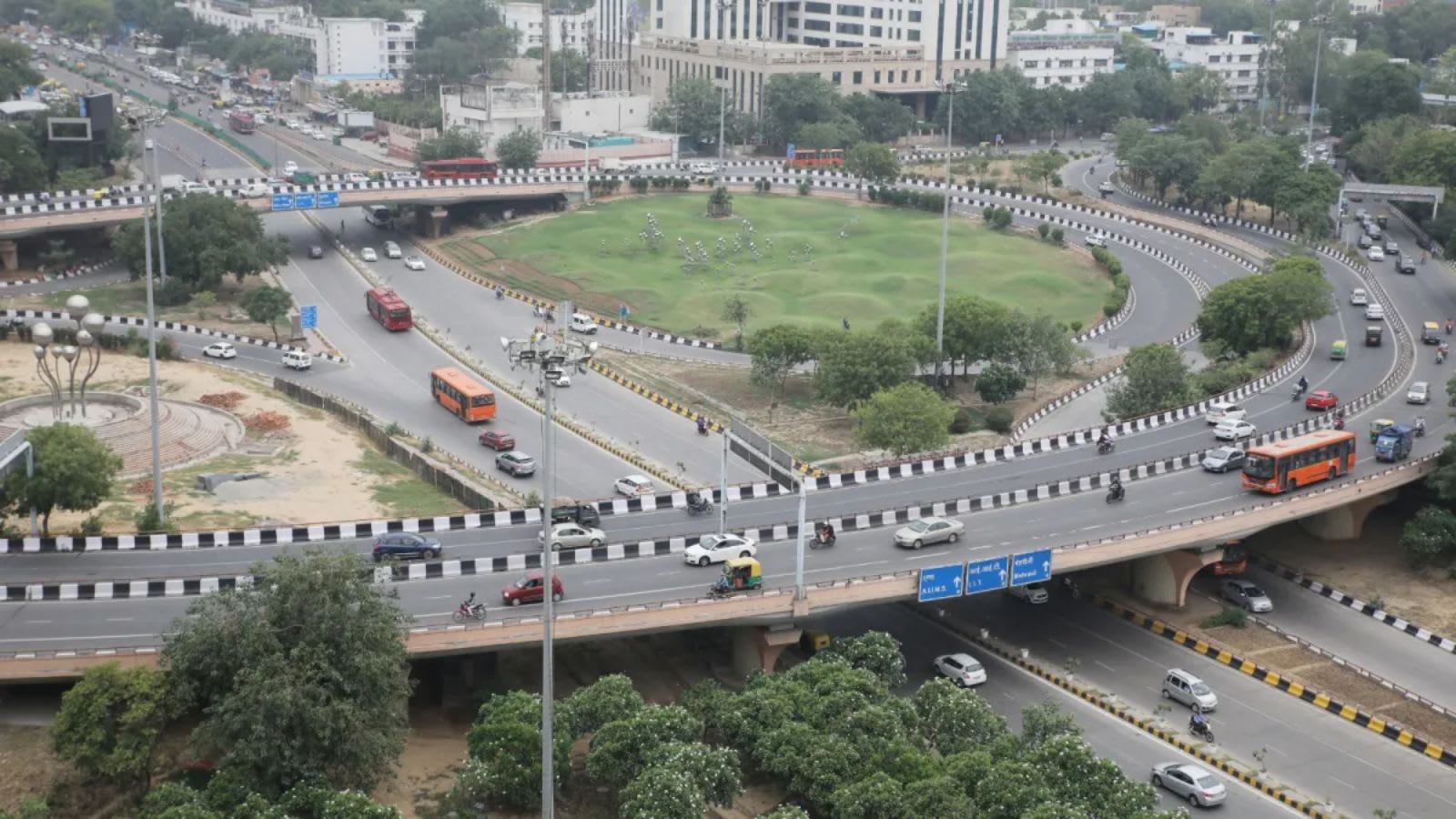
Authorities in Delhi and Pune are launching new infrastructure projects to combat severe traffic congestion. These developments include elevated flyovers in Delhi and a new road network in Pune, aiming to improve urban mobility and connectivity.
Addressing Urban Gridlock: Infrastructure Expansion in Delhi and Pune
As India’s major metropolitan centers continue to experience rapid urbanization, the strain on existing road networks has reached a critical juncture. The Public Works Department (PWD) in Delhi and the Pune Municipal Corporation (PMC) have recently announced significant infrastructure projects aimed at alleviating chronic traffic congestion. These initiatives represent a localized response to the broader national challenge of maintaining mobility in densely populated urban corridors where infrastructure development has struggled to keep pace with the exponential growth of private vehicle ownership.
Delhi’s Strategic Elevated Corridors
In Delhi, the PWD has proposed the construction of two major 5-km-long elevated flyovers, specifically targeting high-traffic zones that have long been flagged by both residents and law enforcement. The first project, spanning from Britannia Chowk to the Outer Ring Road via ShakurBasti Railway Station, is designed to streamline traffic flow in the North-West corridor. The second, positioned over the Karawal Nagar drain from Ankur Enclave to the Gokulpuri Metro station, addresses connectivity issues in the North-East. By creating these elevated channels, the PWD aims to provide a seamless transit bypass for commuters who currently lose hours to gridlock, thereby improving connectivity between West, North-West, North-East, and Central Delhi.
Pune’s Targeted Connectivity Solutions
Simultaneously, the PMC is focusing on the Mundhwa-Magarpatta region, an area that has seen intense commercial and residential expansion. The proposed 1,150-metre-long and 24-metre-wide road, connecting the Keshavnagar bridge to Mundhwa, is a direct intervention to resolve bottlenecks at critical junctions like Mahatma Phule Chowk and Shivaji Chowk. With an estimated cost of Rs 93 crore, the project leverages a public-private partnership model—a growing trend in Indian urban planning—to expedite the delivery of essential transit alternatives.
The Role of Public Advocacy
These projects highlight the increasing influence of local advocacy in shaping municipal agendas. In Pune, the intervention of Hadapsar MLA Chetan Tupe was instrumental in highlighting the necessity of these specific routes. By formally urging the PMC to prioritize these roads within the city’s development plan, local representatives have ensured that the infrastructure directly addresses the specific pain points identified by the community. Similarly, in Delhi, the PWD’s proposal serves as a direct response to the persistent complaints regarding congestion lodged by local residents and the traffic police.
Broader Implications and Future Trends
These infrastructure projects underscore a shift toward decentralized traffic management. Rather than relying solely on widening existing roads, which is often hindered by land acquisition constraints, authorities are increasingly turning to elevated structures and alternative arterial routes. This approach is essential for cities like Delhi and Pune, where the density of the built environment limits expansion. Moving forward, the success of these projects will likely depend on the efficiency of project execution and the integration of these new corridors with existing public transport networks, such as the Metro systems.
Conclusion
In summary, the announcements in Delhi and Pune reflect a proactive effort to mitigate the socio-economic costs of urban traffic. By investing in dedicated flyovers and alternative road networks, these municipal bodies are attempting to reclaim lost productivity and improve the quality of life for daily commuters. As these projects move from the planning phase to construction, they will serve as test cases for how Indian cities can effectively manage the competing demands of population growth and urban mobility.