Assam Allots 70-Acre Land To ISRO For Advanced Radar Research Facility
Source Entity
NDTV News Search Records Found 1000
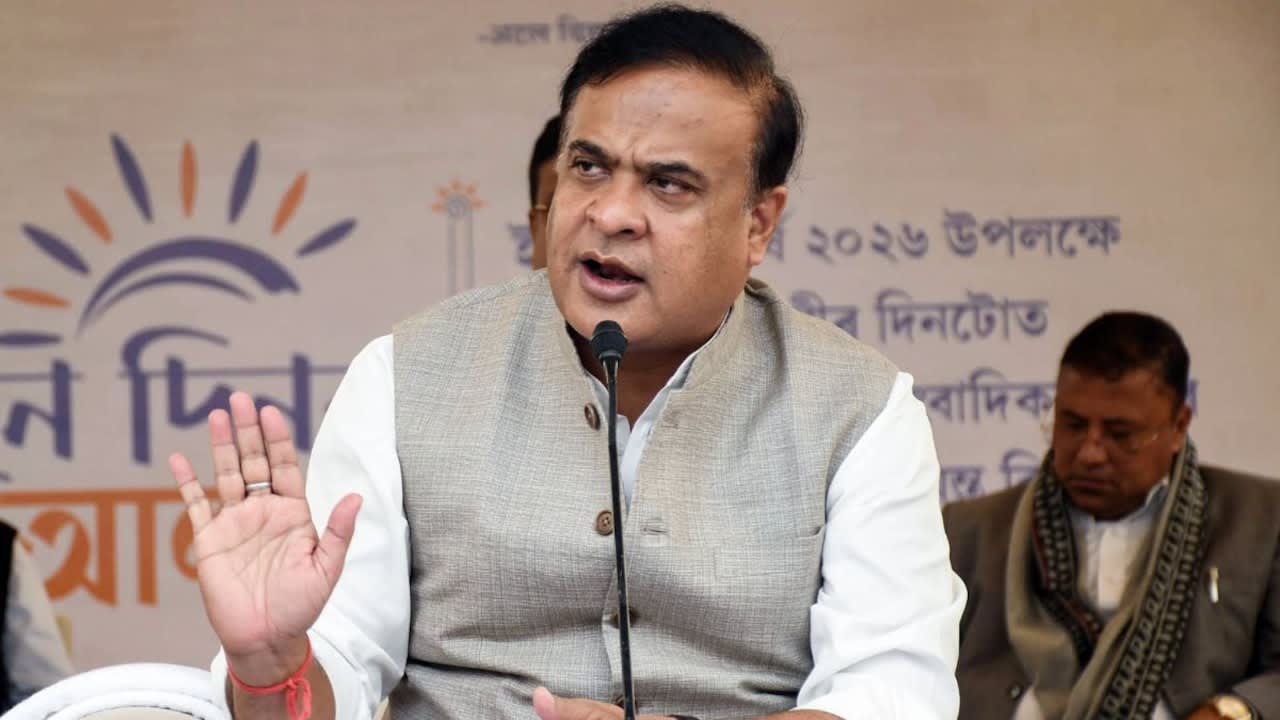
The Assam government has allocated 70 acres of land to ISRO for the development of an advanced radar research facility. This project, sanctioned by Prime Minister Narendra Modi, marks a significant step in bolstering India's space and surveillance infrastructure in the Northeast.
Strengthening India's Technological Frontier in the Northeast
The recent announcement regarding the allocation of 70 acres of land to the Indian Space Research Organisation (ISRO) in Assam represents a pivotal moment for India's strategic and scientific infrastructure. By establishing an advanced radar research facility in this region, the government is effectively decentralizing its space research capabilities while simultaneously enhancing the nation's surveillance and monitoring prowess. This project, which has been sanctioned by Prime Minister Narendra Modi, underscores a deliberate effort to integrate the Northeast into India's growing aerospace and defense technological ecosystem.
Strategic Importance of Radar Research
Radar technology is the backbone of modern aerospace monitoring, environmental tracking, and national security. By situating this facility in Assam, ISRO gains a unique geographical advantage. The Northeast region is vital for tracking orbital trajectories and monitoring atmospheric conditions that are distinct from other parts of the country. This facility will likely serve as a crucial node for gathering data that supports both civilian space missions and broader national security objectives, ensuring that India maintains a robust presence in the skies above its eastern borders.
The Role of Federal Support and Collaboration
Governmental coordination is a prerequisite for projects of this magnitude. The explicit acknowledgment of Prime Minister Narendra Modi’s role in sanctioning the initiative highlights the federal government's commitment to prioritizing scientific development in the Northeast. This top-down support ensures that bureaucratic hurdles are minimized and that the project receives the necessary funding and administrative backing to reach fruition. Such high-level endorsement is essential for complex infrastructure projects that require long-term investment and multi-agency cooperation.
Expanding ISRO’s National Footprint
Historically, ISRO’s major testing and launching facilities have been concentrated in southern India. The expansion into Assam is a strategic pivot that broadens the agency's operational footprint. This move not only provides geographical diversity to ISRO’s network but also fosters a culture of scientific advancement in the region. By creating a hub for advanced research, the state of Assam is poised to become a significant contributor to India’s space economy, potentially sparking interest in STEM education and high-tech employment opportunities for the local workforce.
Future Trends and Long-Term Implications
Looking ahead, the successful implementation of this radar facility could serve as a blueprint for future scientific investments in the Northeast. As India moves toward more ambitious space missions—including deep-space exploration and global satellite connectivity—having a distributed network of ground stations and research facilities will be non-negotiable. This 70-acre land allocation is not merely a singular construction project; it is an foundational step toward ensuring that India’s space infrastructure is resilient, redundant, and capable of supporting the next generation of aerospace technology.
Conclusion
In summary, the partnership between the Assam government and ISRO to establish a radar research facility is a landmark development. It leverages regional land resources to meet national scientific goals, reflecting a cohesive strategy to modernize India’s technological capabilities. As the project progresses, it will undoubtedly solidify the Northeast's role in India's technological trajectory, proving that strategic investments in science can bridge geographical gaps and drive national progress.
Verification Required?