300 trucks stranded at Assam-Bengal border; Andhra lorry owners seek Centre’s intervention
Source Entity
India Latest News: Top National Headlines Today & Breaking News | The Hindu
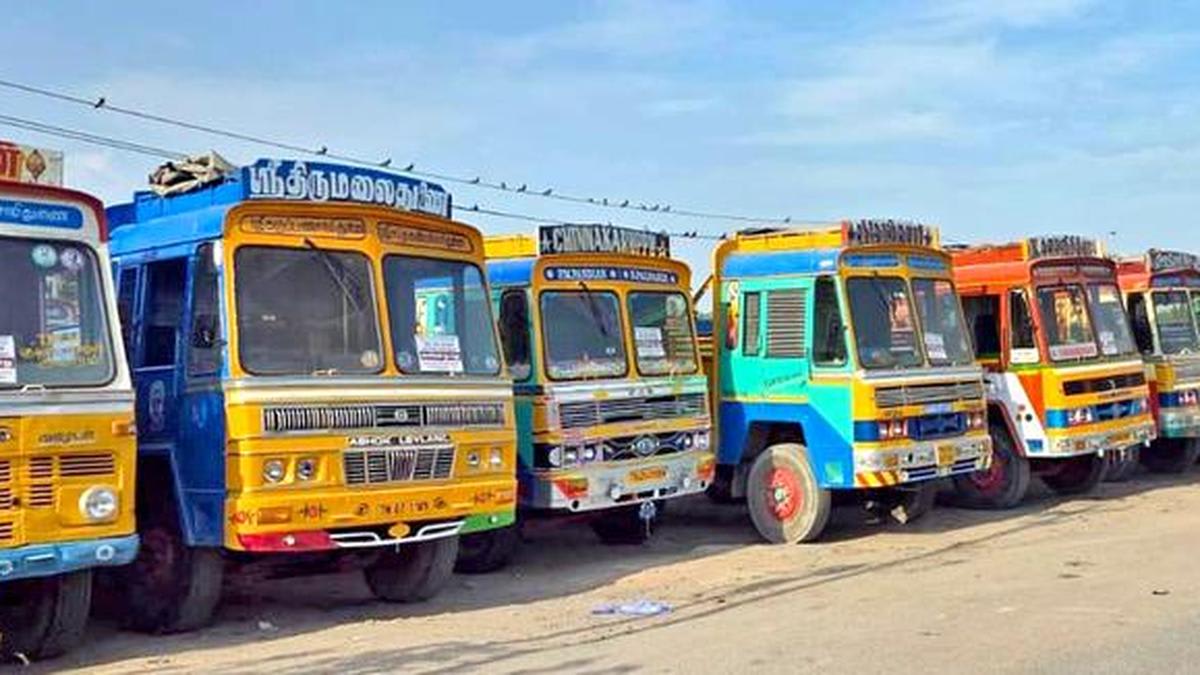
Over 300 trucks transporting raw petroleum coke remain stranded at the Assam-West Bengal border despite GST compliance. The Andhra Pradesh Lorry Owners’ Association has sought urgent federal intervention to resolve the transit disruption.
Supply Chain Crisis at the Assam-Bengal Border
A significant logistical bottleneck has emerged at the Assam-West Bengal border, where more than 300 trucks carrying raw petroleum coke have been stranded for several days. This disruption, which has halted the movement of critical industrial raw materials, has prompted the Andhra Pradesh Lorry Owners’ Association (APLOA) to formally request intervention from the Union Finance Ministry and the Central Board of Indirect Taxes and Customs (CBIC).
The Nature of the Dispute
According to Y.V. Eswara Rao, the general secretary of the APLOA, the detained vehicles are fully compliant with Goods and Services Tax (GST) regulations and have already cleared the necessary Integrated GST (IGST) payments. Despite this, the trucks are being prevented from proceeding to their respective destinations. This administrative friction highlights a recurring issue in interstate commerce where local enforcement measures or documentation discrepancies can paralyze supply chains despite digital tax compliance.
Regional Economic Impact
The impact of this detention is widespread, affecting industrial hubs across Eastern and Southern India. Nearly 50% of the stranded cargo is bound for Visakhapatnam, a major industrial port city in Andhra Pradesh. Other consignments are destined for critical industrial centers in Haldia and Durgapur in West Bengal, Barauni in Bihar, and Paradip in Odisha. The delay in the delivery of raw petroleum coke—a key input for several manufacturing processes—threatens to cause production slowdowns in these regions.
Broader Implications for Logistics
The incident underscores the fragility of India's interstate logistics network. Even with the unified GST framework designed to facilitate the seamless movement of goods, operational hurdles at state borders continue to pose challenges for the transport sector. When hundreds of vehicles are held up, it creates a ripple effect, increasing operational costs for transport companies and potentially leading to shortages of raw materials for manufacturers who rely on just-in-time inventory management.
A Call for Federal Oversight
By appealing directly to the Union Finance Ministry, the APLOA is highlighting the need for higher-level oversight to ensure that state-level enforcement does not supersede national trade policies. The association’s intervention suggests that local authorities may be acting beyond their mandate regarding GST-compliant goods. A swift resolution is required to prevent further economic losses and to restore the flow of essential industrial commodities across state lines.
Future Trends and Outlook
Moving forward, this event may necessitate a review of how GST-related transit issues are handled at border checkpoints. If the government does not address these arbitrary detentions, it could undermine the spirit of the 'One Nation, One Tax' policy. Experts suggest that strengthening the digital dispute resolution mechanism or providing clearer guidelines to border patrol officers regarding the verification of IGST payments could help prevent such logistical standoffs in the future.
Verification Required?