August 2026 Blood Moon: Why the Full Sturgeon Moon could turn red and what astrology says
Source Entity
Latest News: Todays Latest News Headlines from India & World | Hindustan Times | Hindustan Times
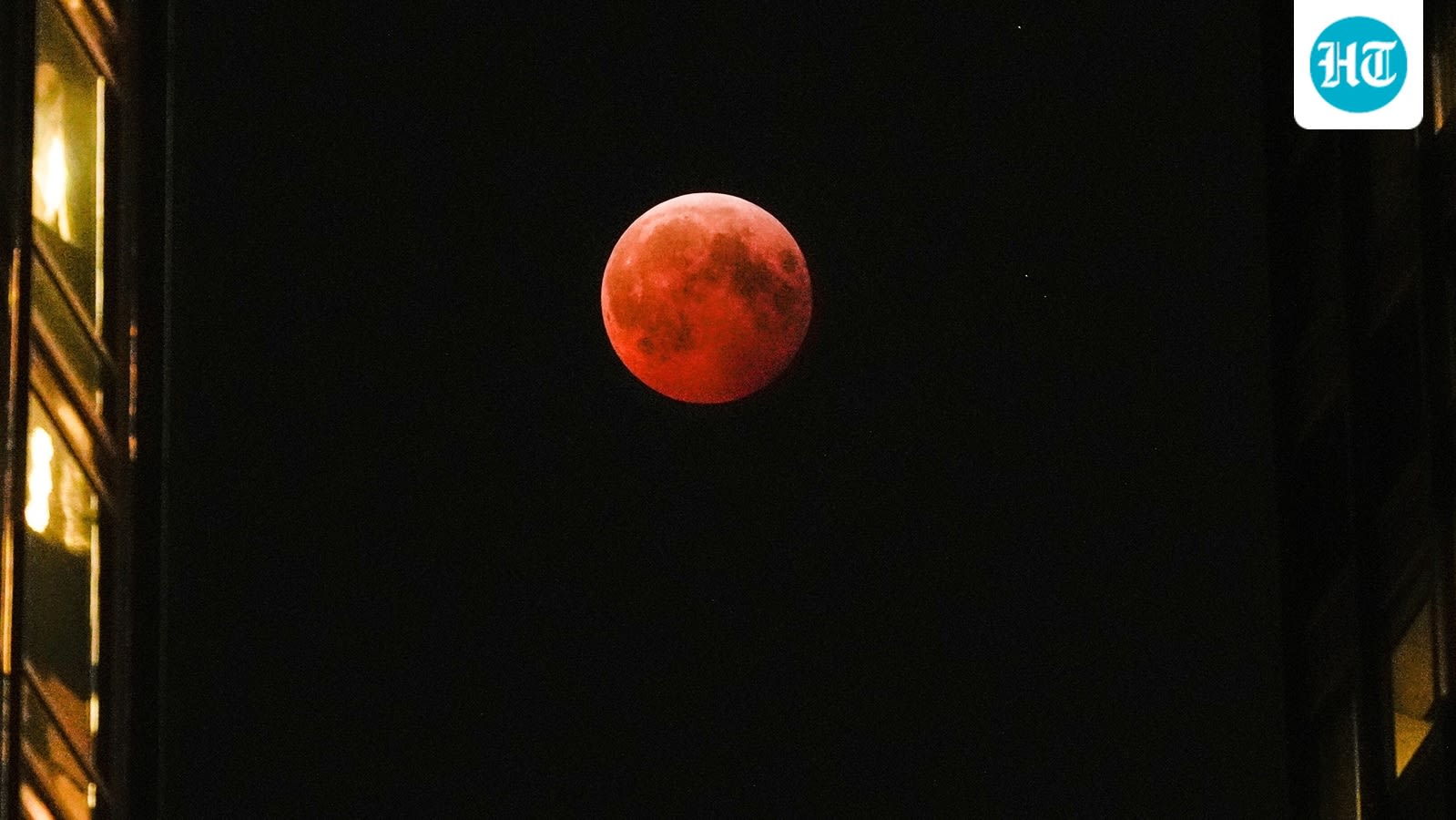
A partial lunar eclipse occurring during the August 2026 Full Sturgeon Moon will cause the moon to appear with a striking red hue. This celestial event will be visible across parts of the Americas, Africa, and Europe, drawing interest from both astronomers and astrology enthusiasts.
The Celestial Convergence of August 2026
In August 2026, skywatchers around the globe are set to witness a significant celestial event as the Full Sturgeon Moon coincides with a partial lunar eclipse. This alignment, highlighted by recent communications from BBC Weather, serves as a reminder of the dynamic nature of our solar system. A lunar eclipse occurs when the Earth passes directly between the Sun and the Moon, casting a shadow across the lunar surface. While a total eclipse results in a 'Blood Moon,' a partial eclipse creates a unique visual effect where only a portion of the moon is obscured by the Earth’s darkest shadow, or umbra.
The Science of the Red Hue
The striking red color often associated with lunar eclipses is a result of Rayleigh scattering, the same physical phenomenon that turns sunsets red. As sunlight filters through the Earth's atmosphere, shorter blue wavelengths are scattered outward, while longer red wavelengths are bent, or refracted, toward the Moon. During the August 2026 event, observers in parts of the Americas, Africa, and Europe will have the opportunity to witness this phenomenon firsthand. The intensity of the red coloration can fluctuate based on atmospheric conditions, such as the presence of volcanic ash or dust particles, which can further filter the light.
The Significance of the Sturgeon Moon
The term 'Sturgeon Moon' is a traditional name for the full moon in August, originating from Native American folklore, which noted that sturgeon fish were most easily caught in the Great Lakes during this time of year. By aligning with a partial lunar eclipse, this particular Sturgeon Moon gains heightened cultural and scientific significance. It transforms a standard seasonal marker into a rare astronomical spectacle, prompting increased public engagement with lunar cycles and space observation.
Astrological Perspectives and Emotional Resonance
Beyond the empirical data provided by meteorologists, the event carries weight within the astrological community. Many practitioners interpret lunar eclipses as catalysts for significant life transitions, emphasizing themes of emotional release, endings, and periods of deep introspection. When an eclipse occurs during a full moon, the energy is often perceived as amplified, encouraging individuals to confront long-standing issues or patterns. This intersection of ancient belief systems and modern astronomical observation highlights the enduring human fascination with the night sky.
Implications for Future Observation
As interest in space science grows, events like the August 2026 eclipse play a crucial role in public education. They provide accessible entry points for amateur astronomers to engage with planetary mechanics without the need for sophisticated equipment. Looking forward, the frequency and visibility of such eclipses will continue to be tracked by global weather agencies, fostering a greater collective understanding of our place in the cosmos. This event serves not just as a fleeting visual experience, but as a bridge between historical tradition, current scientific inquiry, and the widespread human pursuit of meaning in the stars.
Verification Required?