High-altitude regions of J&K warming at alarming rate: IIT Kharagpur
Source Entity
Sweety Kumari
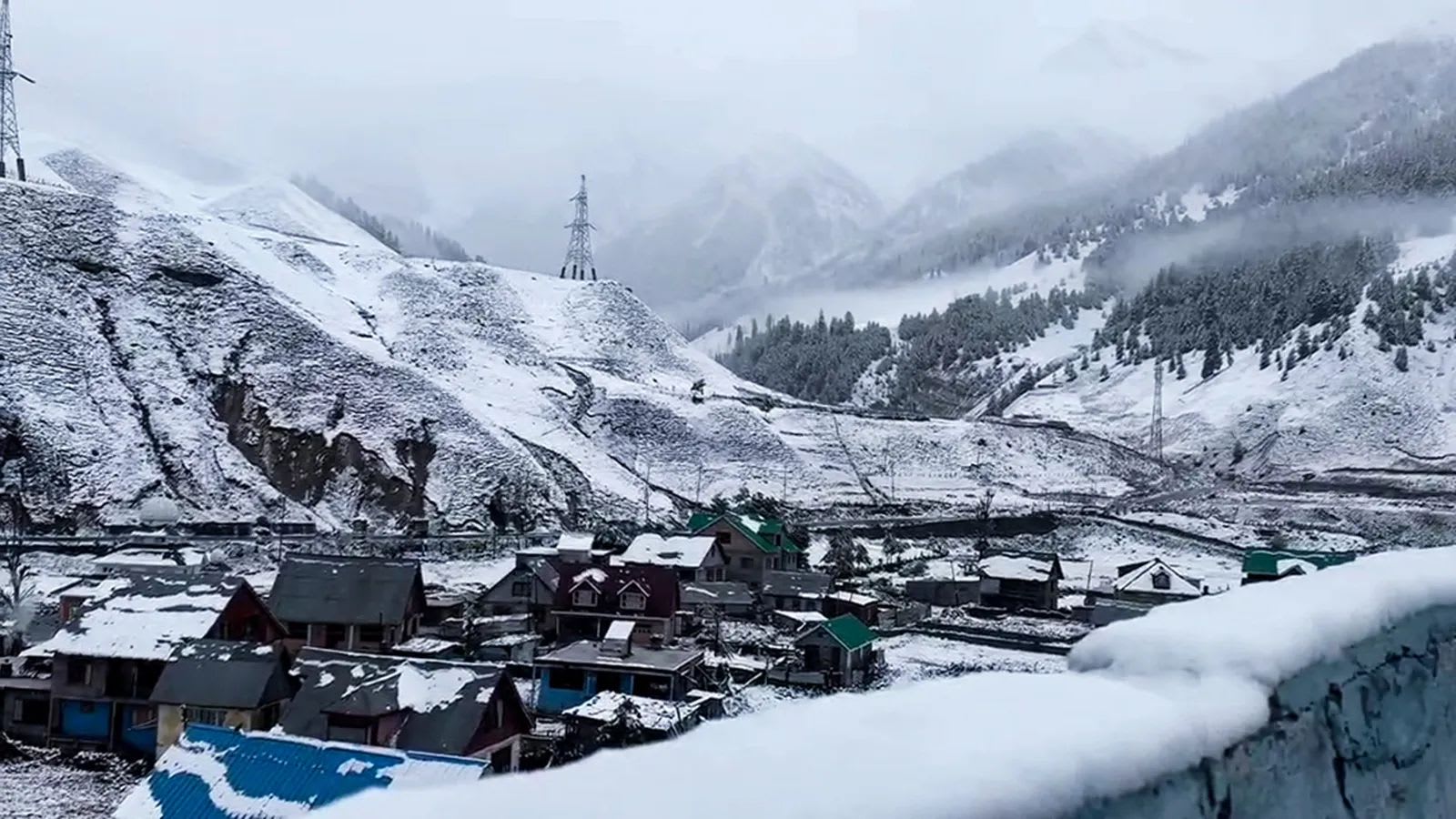
A recent IIT Kharagpur study reveals that high-altitude regions in Jammu and Kashmir have warmed by nearly 1°C over the last two decades. This elevation-dependent warming threatens local glaciers, water security, and agricultural stability in the region.
The Rapid Warming of Jammu and Kashmir: A Climate Crisis Unveiled
A critical study conducted by researchers at the Indian Institute of Technology (IIT) Kharagpur has brought to light an alarming climatic shift in the high-altitude regions of Jammu and Kashmir. According to the research, led by Prof. Jayanarayanan Kuttippurath and his team at the Centre for Ocean, River, Atmosphere and Land Sciences (CORAL), these mountainous areas have experienced a temperature increase of nearly 1 °C over the past twenty years. This finding is particularly concerning because it highlights a phenomenon known as elevation-dependent warming, where higher altitudes experience faster temperature surges compared to the surrounding plains.
Methodology and Scope of the Research
The study, titled ‘Warming of the high-mountainous climate sensitive Jammu and Kashmir during the period 1980–2024,’ provides a robust longitudinal analysis of the region. By synthesizing 44 years of comprehensive climate data, the researchers were able to establish a clear, long-term trend of warming that has intensified significantly since the turn of the century. This long-term perspective is essential for climate modeling, as it separates short-term weather fluctuations from the structural shifts caused by global climate change.
The Mechanics of Elevation-Dependent Warming
The accelerated warming at higher elevations is a complex atmospheric process often driven by reduced snow cover and the subsequent decrease in surface albedo. As snow melts, the ground absorbs more solar radiation rather than reflecting it, creating a feedback loop that further raises local temperatures. The IIT Kharagpur team’s findings suggest that the sensitive ecosystems of Jammu and Kashmir are at the epicenter of this feedback, making them one of the most vulnerable regions to global atmospheric changes.
Implications for Glaciers and Hydrology
One of the most immediate concerns arising from this data is the accelerated rate of glacial retreat. As temperatures continue to rise at high altitudes, the cryosphere—the frozen water part of the Earth system—faces unprecedented strain. The melting of these glaciers poses a direct threat to the region's hydrological stability. Since the rivers originating in this region serve as the lifeblood for millions, any disruption in the timing or volume of snowmelt could lead to catastrophic water scarcity in the downstream plains.
Socio-Economic and Ecological Consequences
The potential impact on agriculture and local ecosystems cannot be overstated. Jammu and Kashmir’s economy is heavily reliant on water-intensive activities, including horticulture and agriculture. A shift in the thermal regime threatens to alter traditional crop cycles and disrupt the delicate ecological balance that supports the region's biodiversity. If this warming trend persists, the region may face significant challenges in maintaining its current agricultural productivity and protecting its unique high-mountain flora and fauna.
Future Outlook and Scientific Necessity
The work of the CORAL researchers serves as a vital call to action for policymakers and environmental scientists. By documenting the warming patterns from 1980 to 2024, the study provides a foundational baseline for future climate adaptation strategies. Future trends are likely to show continued pressure on the region’s natural resources, necessitating localized climate mitigation policies that address the specific vulnerabilities of high-altitude mountainous environments.