Assam elephant habitat recovery hope rides on biochar from invasive plants
Source Entity
India Latest News: Top National Headlines Today & Breaking News | The Hindu
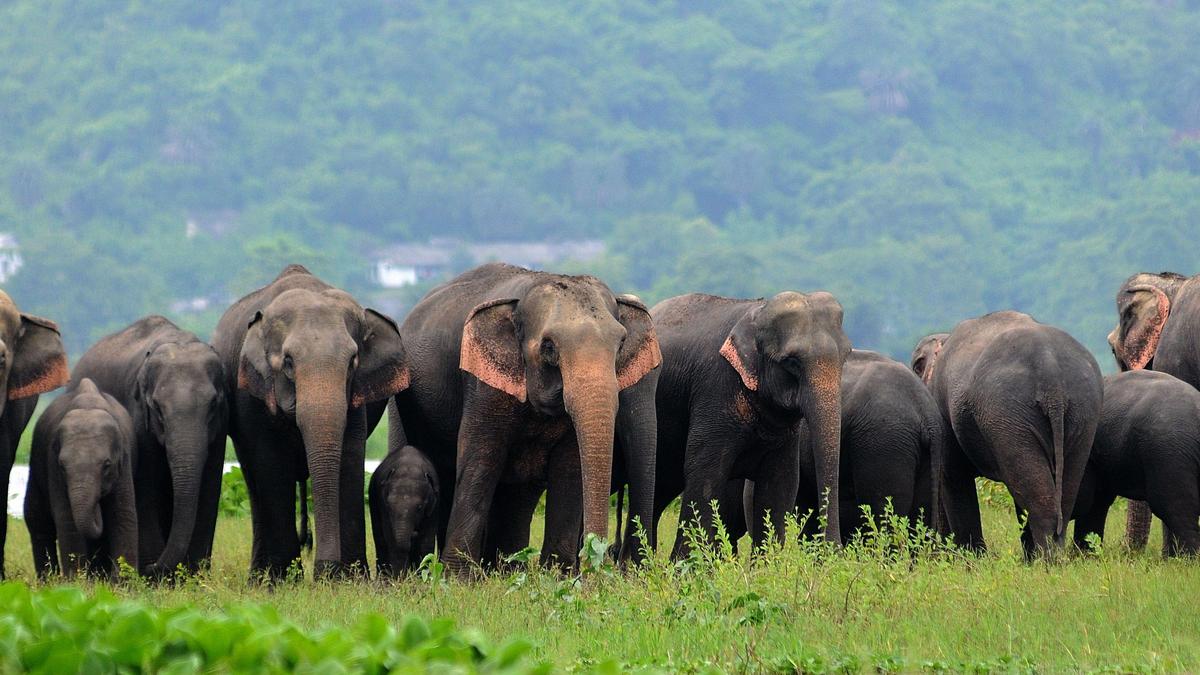
Assam is launching a pilot project in the Khalingduar Reserve Forest to convert invasive plant species into biochar. This initiative aims to restore elephant habitats by clearing competitive flora and improving soil health.
Restoring Assam's Elephant Corridors Through Biochar Innovation
In a pioneering effort to mitigate the ecological degradation of elephant habitats in Assam, the Forest Department has initiated a strategic project in the Khalingduar Reserve Forest of the Udalguri district. By focusing on a two-hectare pilot area, authorities aim to transform invasive alien plants (IAPs)—which have long been considered a botanical liability—into a carbon-rich asset known as biochar. This project, supported by the International Elephant Foundation, represents a shift from traditional manual removal methods to a sustainable, circular-economy approach.
The Threat of Invasive Alien Plants
For decades, the health of Assam’s forest ecosystems has been severely compromised by the proliferation of aggressive, non-native vegetation. Species such as Lantana camara, Chromolaena odorata, and Mikania micrantha have aggressively colonized forest floors, effectively choking out native grasses and shrubs that serve as the primary food source for herbivores, particularly elephants. This reduction in palatable vegetation forces wildlife to venture outside protected zones, exacerbating human-elephant conflicts in the border regions of the Bodoland Territorial Region (BTR).
Converting Liability into Resource
The core of this initiative lies in the conversion of these invasive species into biochar, a stable form of carbon produced through the pyrolysis of biomass. By harvesting these dense stands of IAPs, the Forest Department can clear critical grazing space while simultaneously creating a soil amendment that improves moisture retention and nutrient density. This process effectively sequesters carbon, turning a biological threat into a tool for environmental restoration.
Strategic Importance of Khalingduar
Located in the Dhansiri Forest Division, the Khalingduar Reserve Forest sits at a crucial ecological juncture bordering Bhutan. This area is a vital part of the transboundary movement corridors for megafauna. By focusing management efforts here, the project seeks to stabilize the local ecosystem, ensuring that elephant populations have consistent access to native forage, which is essential for maintaining their health and migratory patterns.
Broader Implications and Future Trends
If the two-hectare pilot proves successful, the model could be scaled across other segments of the BTR and beyond. The integration of biochar production into habitat management offers a scalable solution that addresses both biodiversity loss and climate change mitigation. Future trends in conservation biology suggest that such site-specific, technology-driven management will become the standard for restoring degraded forest tracts in India.
Conclusion
This project underscores the importance of proactive, science-led conservation in Assam. By addressing the root cause of habitat degradation—the dominance of invasive species—and utilizing innovative waste-to-resource technology, the Assam Forest Department is setting a precedent for holistic wildlife management. The success of this endeavor will be a significant step toward securing the future of elephant populations in the region.
Verification Required?