Early Humans Likely Ate Carbs and Sugary Foods
Source Entity
Hacker News
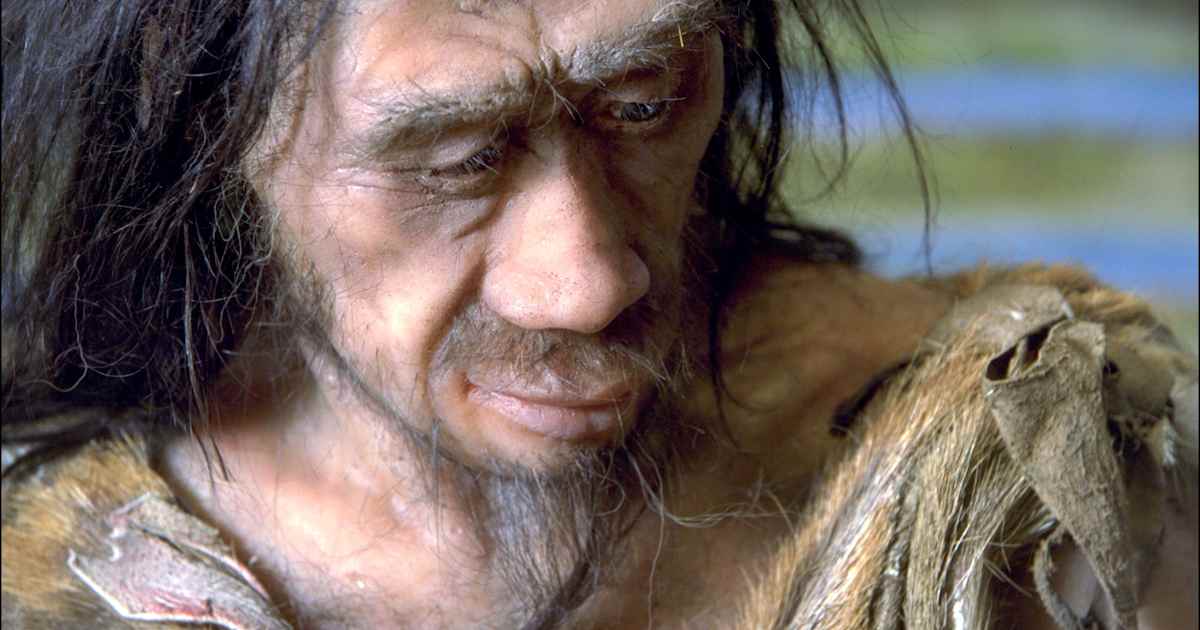
Evolutionary evidence suggests early humans developed color vision and advanced cognitive mapping to locate high-sugar, nutrient-dense fruits. This survival-driven adaptation highlights a deep-rooted biological preference for carbohydrates and sugar.
The Evolutionary Drive for Sugar
Recent scientific discourse highlights a compelling link between early human survival strategies and our modern-day cravings for sweet, carbohydrate-rich foods. Evolutionary biologists posit that the human palate was not merely a matter of preference but a refined tool for survival. By prioritizing the consumption of ripe fruits, early ancestors secured the caloric density necessary to fuel their increasingly complex physiological needs.
Color Vision as a Foraging Tool
One of the most significant arguments in this theory is the development of trichromatic color vision in primates. Unlike species that rely primarily on scent or motion, humans evolved to distinguish between subtle shades of red, orange, and yellow. This visual acuity served a specific biological purpose: identifying the ripeness of fruit. Because deeper colors often signal higher sugar content, this adaptation allowed early humans to efficiently locate the most calorie-dense food sources in the forest canopy.
Cognitive Development and Intelligence
Beyond simple visual adaptation, the search for sugar may have acted as a catalyst for cognitive evolution. Foraging in a tropical environment required more than just sight; it demanded spatial memory and temporal awareness. Primates had to track when specific trees would bear fruit and remember their locations across vast, changing landscapes. This pressure to map the forest and out-compete other species likely pushed early humans to develop superior problem-solving skills and higher-order intelligence.
The Foraging Race
In the competitive landscape of the prehistoric world, the race for resources was a primary driver of natural selection. Those who possessed the mental capacity to create detailed 'mental maps' of fruit ripening schedules gained a distinct survival advantage. This constant need to locate and secure high-energy foods meant that intelligence was not just a luxury, but a vital survival mechanism directly linked to the diet of our ancestors.
Broader Implications and Future Trends
This historical context fundamentally shifts how we view current dietary challenges. Understanding that our biological hardware is programmed to seek sugar explains why modern, processed-heavy diets are so difficult to abandon. As we continue to study evolutionary biology, these findings provide a foundation for understanding the obesity epidemic and metabolic health, suggesting that our 'sweet tooth' is an ancient evolutionary legacy that is currently mismatched with our modern sedentary lifestyle and food availability.