El Niño could be strongest in living memory, put 2027 on track as hottest year
Source Entity
The Indian Express
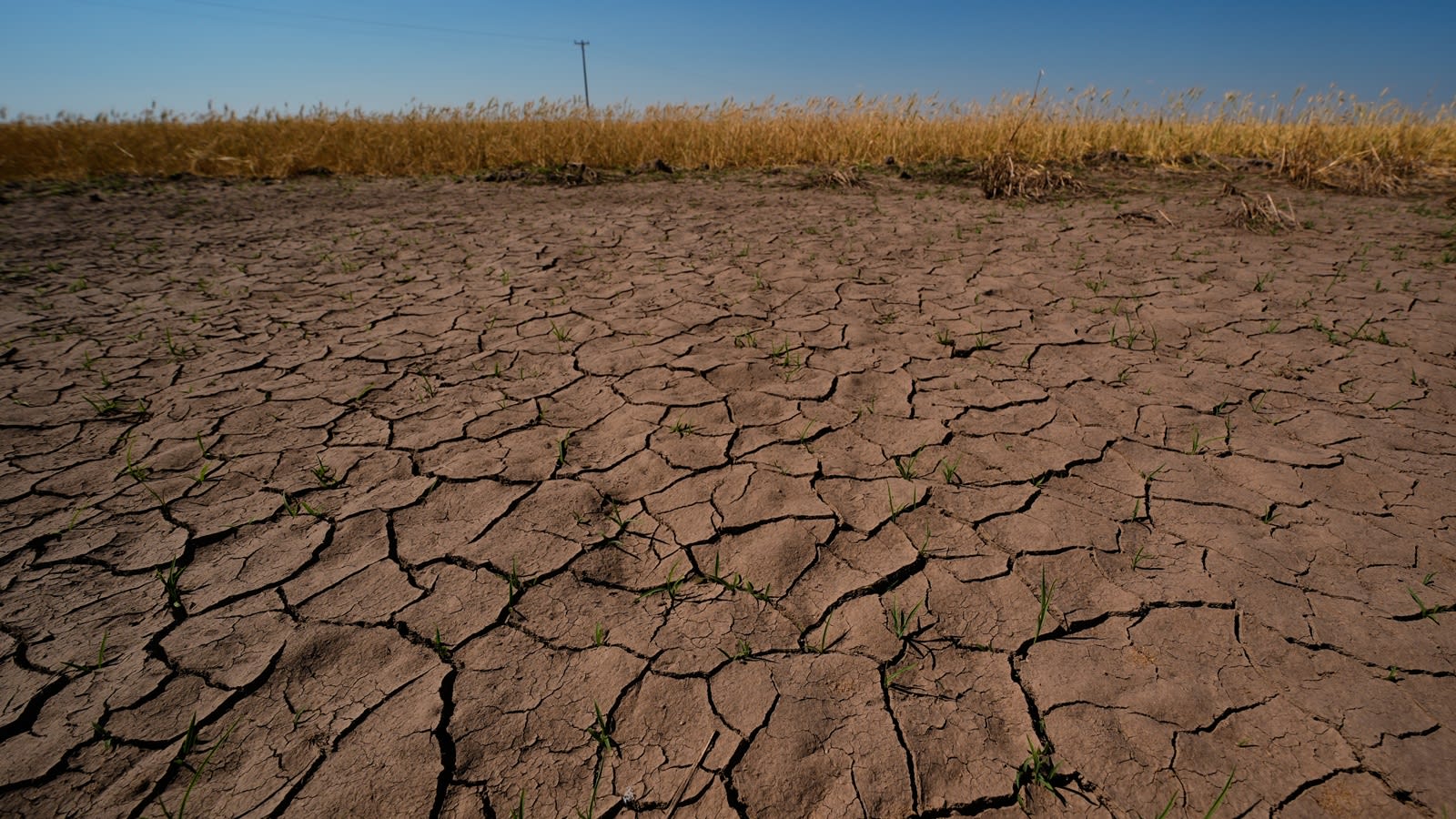
A record-breaking El Niño event, projected to be the strongest in over a century, is threatening to push 2027 to become the hottest year on record. The phenomenon is already disrupting global weather, causing monsoon deficits in India and shifting storm patterns across Europe.
The Imminent Climate Shift: Understanding the Record-Breaking El Niño
Recent warnings from the UK Met Office indicate that the world is on the precipice of a climate event of historic proportions. An El Niño phenomenon is currently developing over the Pacific Ocean, with temperatures projected to rise more than 3°C above normal levels. This intensity, described as the strongest in over a century, threatens to fundamentally alter global weather patterns, potentially surpassing the thermal records set in 2024 and establishing 2027 as the hottest year in modern history.
The Mechanics of Global Warming and El Niño
At its core, El Niño is a natural climate phenomenon characterized by the warming of surface waters in the central and eastern Pacific. However, when this natural variability coincides with persistent, human-driven climate change, the results are amplified. The Met Office highlights that the synergy between this specific El Niño event and ongoing global warming creates a compounding effect, which is why scientists are projecting such extreme temperature anomalies for the coming years.
Agricultural Impacts in South Asia
For India, the implications of this event are particularly severe. The South Asian monsoon is intrinsically linked to Pacific Ocean conditions; historically, El Niño events are associated with weaker monsoon rainfall. With the 2026 monsoon already recording below-average precipitation, the agricultural sector faces a double-crop hit. This uncertainty in rainfall directly threatens food security and economic stability, as the region relies heavily on consistent monsoon cycles for irrigation and crop yields.
Atmospheric Shifts in the Northern Hemisphere
Beyond the tropics, the influence of this El Niño is reshaping weather in the Atlantic and Europe. Reports indicate that while hurricane activity in the Atlantic has remained surprisingly subdued—a common byproduct of the altered wind shear patterns associated with El Niño—other regions face the opposite problem. The UK and parts of north-west Europe are being warned of a potentially wetter and stormier autumn, demonstrating how a Pacific-centered event can cause a domino effect throughout the global atmospheric circulation.
Broader Implications and Future Trends
This event serves as a stark reminder of the volatility inherent in our current climate system. The fact that this El Niño is projected to be the most powerful in living memory underscores the increasing difficulty in predicting weather patterns as the planet warms. As we look toward 2027, the combination of this phenomenon and the underlying climate trend suggests that extreme weather will likely become the new baseline rather than the exception. Policymakers and agricultural sectors globally must now prepare for a future defined by heightened climatic instability and the urgent need for climate adaptation strategies.
Multiple Citing Sources