Australia expands biometric requirements for visa applicants in India: Here’s what students need to know
Source Entity
The Indian Express
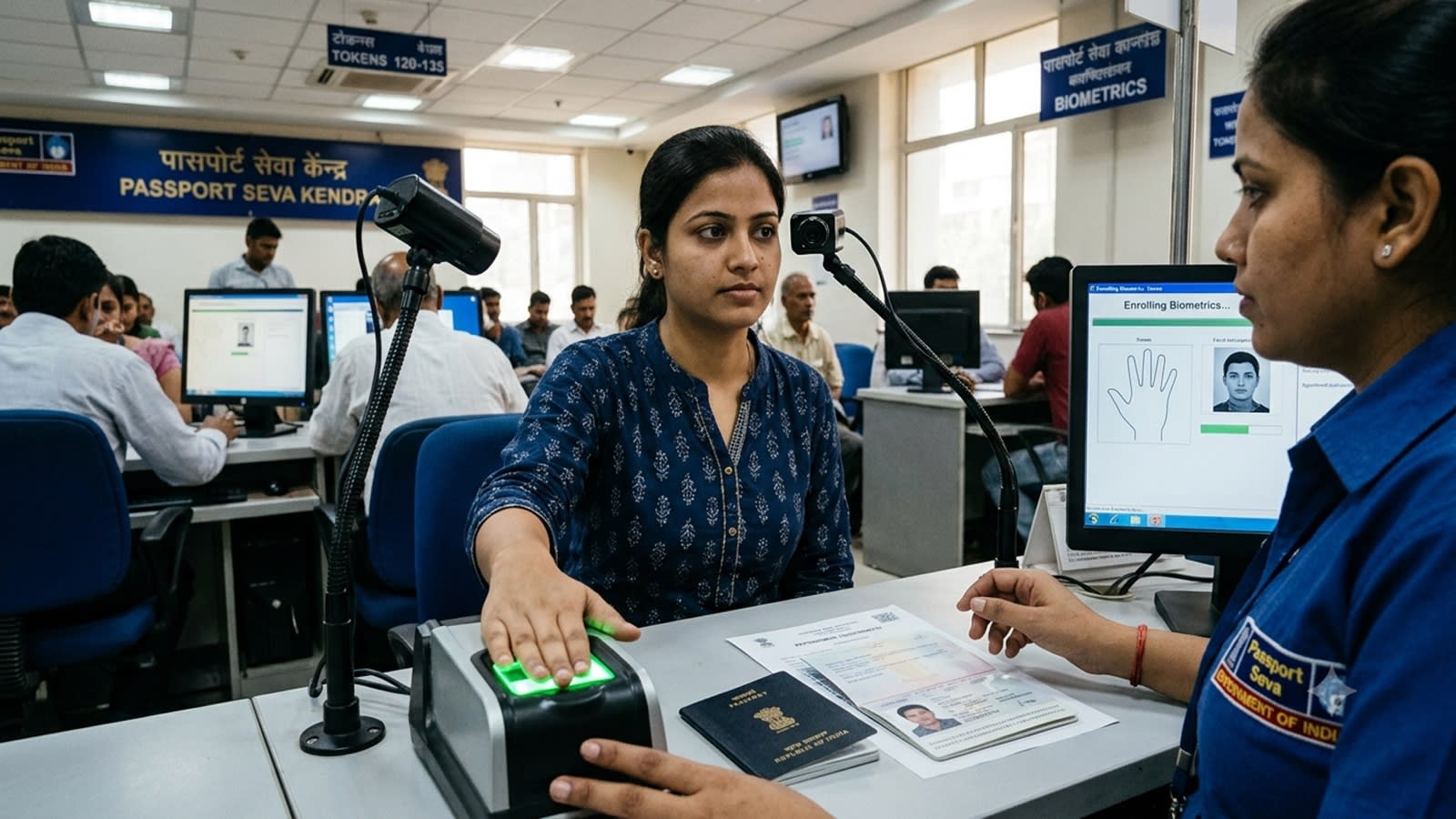
Australia has mandated biometric data collection for Indian visa applicants starting October 26, 2026. This security initiative, affecting nearly 60 countries, requires fingerprints and facial images for new applications.
Australia Enhances Visa Security Protocols for Indian Applicants
Starting October 26, 2026, the Australian government will implement a significant shift in its border control and immigration policy by mandating biometric collection for visa applicants in India. This update serves as a critical procedural adjustment for Indian students and travelers, requiring them to provide fingerprints and facial images as an integrated component of their visa application process. This shift represents Australia's ongoing commitment to modernizing its immigration framework to ensure higher standards of identity verification.
Broader Implications for Global Security
The decision to incorporate biometric data is not isolated to India but is part of a wider initiative spanning nearly 60 countries. By standardizing these requirements, the Australian Department of Home Affairs aims to fortify the integrity of its visa system. Biometrics provide a robust mechanism for curbing identity fraud, ensuring that the person applying for the visa is unequivocally the person arriving at the Australian border. As global migration patterns evolve, nations are increasingly relying on biological data to streamline entry processes while simultaneously neutralizing security threats.
Impact on the Indian Student Community
For Indian students, who represent a significant portion of Australia's international education sector, this additional step adds a layer of complexity to the planning phase of their academic journey. The requirement necessitates that applicants factor in extra time and coordination to satisfy these biometric demands. While this may be viewed as an administrative hurdle, it is fundamentally designed to enhance the reliability of the visa system, potentially reducing processing ambiguities that have historically plagued international student visa pathways.
Operational Scope and Limitations
It is important to note that the policy is strictly prospective. The Australian government has clarified that the new biometric mandate applies exclusively to fresh visa applications lodged on or after the October 26, 2026, threshold. Applications submitted prior to this date remain unaffected, providing a clear boundary for applicants currently in the pipeline. This phased approach allows for a smoother transition for both the immigration authorities and the applicants, preventing a sudden disruption to the existing backlog of visa processing.
Future Trends in Border Management
Looking ahead, the shift toward biometric-heavy visa processing is likely to become the global gold standard. As technology advances, the ease of collecting facial images and digital fingerprints will likely become more integrated into automated systems, reducing the reliance on manual identity checks. For prospective students and professionals, this trend underscores a future where digital verification is paramount, necessitating higher levels of compliance and preparedness for international travel and study. Australia’s move signals that security and technology will continue to converge to shape the future of international mobility.