Captain Smit Machchhar’s skull fracture: Neurosurgeon explains his head injury and tree-branch scar
Source Entity
The Indian Express
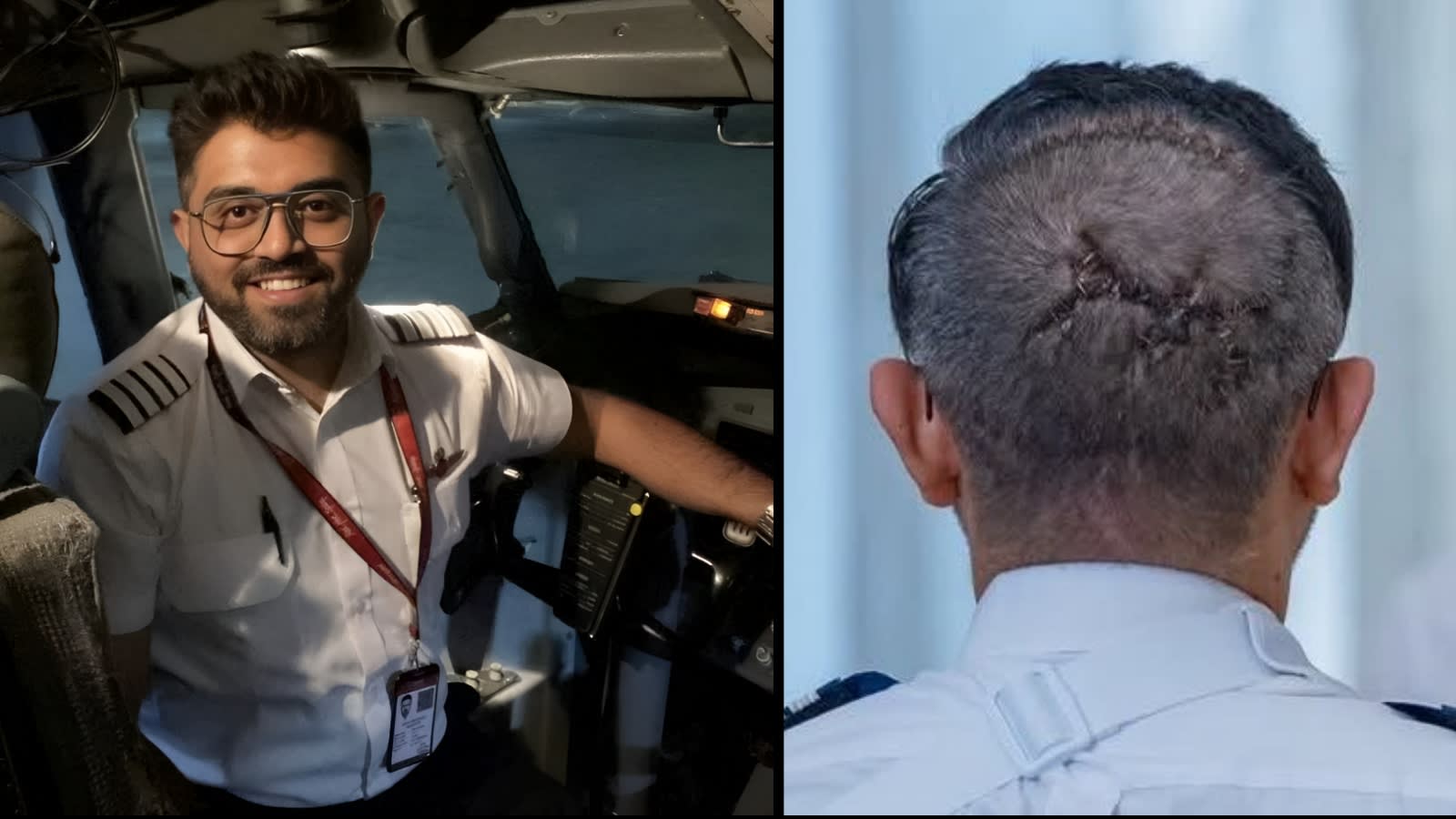
Captain Smit Machchhar, a Flydubai pilot who survived a severe attack by his co-pilot, has been awarded the First Class Order of Zayed II. Medical experts have highlighted the extreme severity of his occipital compound depressed skull fracture and the complex neurosurgical intervention required to save his life.
The Resilience and Recovery of Captain Smit Machchhar
Captain Smit Machchhar, an Indian-origin pilot operating for Flydubai, has recently been honored with the First Class Order of Zayed II by the President of the UAE. This prestigious recognition follows a harrowing incident involving an alleged attack by his co-pilot during flight FZ1073. Beyond the headlines of the physical altercation, the event has spotlighted the extraordinary medical journey Captain Machchhar undertook to recover from a life-threatening injury.
Understanding the Medical Complexity
The severity of the injury sustained by Captain Machchhar has been detailed by medical professionals, specifically Dr. Sanat Dixit, who characterized it as an "occipital compound depressed skull fracture." In neurosurgical terms, this implies that a portion of the skull was driven inward toward the brain tissue, creating a high risk of intracranial pressure and neurological damage. The complexity was further compounded by the injury's proximity to the posterior superior sagittal sinus, a critical venous channel responsible for draining blood from the brain. Damage to this area often carries a high risk of catastrophic hemorrhage.
The Surgical Intervention
To address such a critical injury, the surgical team performed a "wide craniotomy," a procedure involving the temporary removal of a significant section of bone to access the brain. Given the location of the fracture at the back of the head, the surgeons were forced to operate in an area where precision is paramount. The successful outcome of this surgery is a testament to the advanced neurosurgical capabilities available to the Captain, as well as his own physiological resilience in surviving the initial trauma.
Broader Implications of In-Flight Safety
The incident involving Captain Machchhar raises significant concerns regarding cockpit security and the psychological vetting of aviation personnel. While the focus has been on his recovery, the aviation industry often reviews such incidents to bolster security protocols. The recognition by the UAE government underscores the gravity of the event and highlights the importance of maintaining professional conduct and safety standards within the high-stakes environment of commercial aviation.
Future Trends and Recovery Outlook
As Captain Machchhar continues his recovery, the long-term implications of a major craniotomy and skull fracture remain a subject of interest for medical experts. Recovery from such neurological trauma is rarely linear, often requiring extensive rehabilitation to address cognitive or motor functions that might be impacted by the proximity of the injury to vital brain structures. His story serves as a stark reminder of the unpredictable risks faced by aviation professionals and the critical role of emergency medical response in ensuring survival after severe traumatic brain injuries.