Legal challenge to Australia's social media ban to start in High Court
Source Entity
BBC News
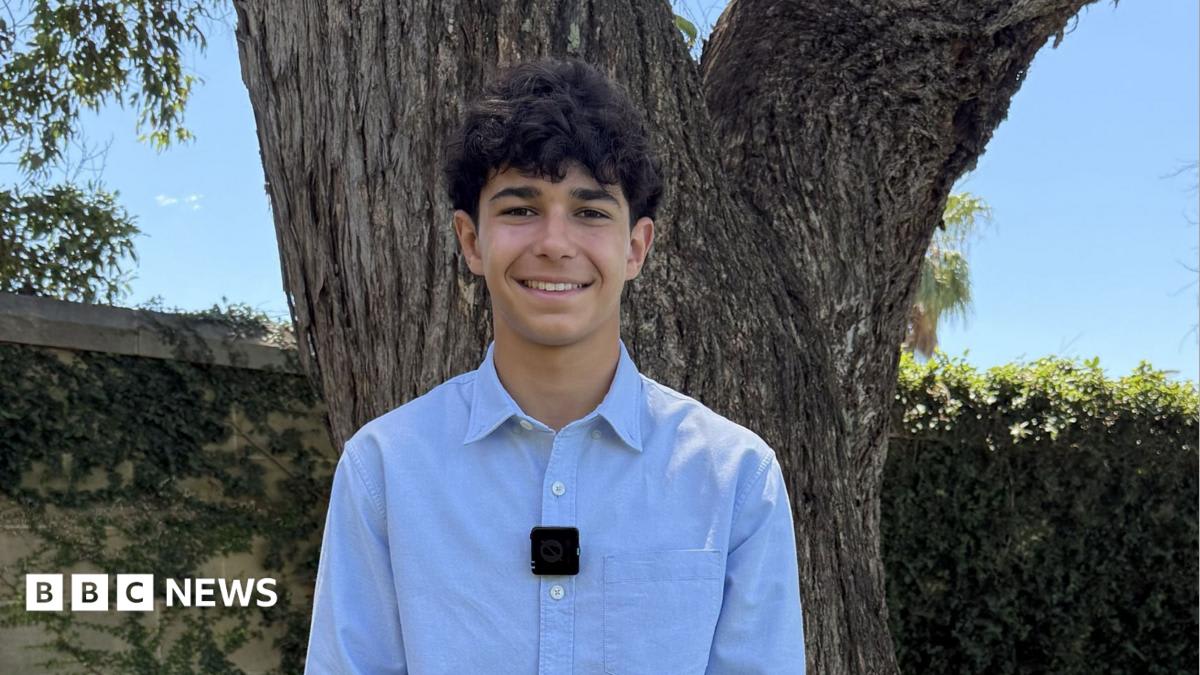
Australia's High Court is set to hear a constitutional challenge against a national social media ban for children under 16. The case, brought by a digital rights group and Reddit, argues the policy infringes on fundamental communication rights.
The High Court Showdown: Australia's Social Media Ban
Australia is currently at the center of a global debate regarding digital governance as its High Court prepares to hear a landmark constitutional challenge against a controversial social media ban for children under 16. Introduced in December, this policy represents one of the most aggressive attempts by any nation to regulate the digital lives of minors. The upcoming two-day hearing will serve as a definitive test of the government's authority to restrict online access in the name of safety versus the protection of individual digital rights.
The Core Constitutional Conflict
The legal challenge, spearheaded by the Digital Freedom Project, posits a fundamental argument: the ban acts as a blunt instrument that strips minors of their right to free communication. By imposing a blanket prohibition, the government is accused of overstepping its regulatory mandate, effectively curtailing the ability of young people to participate in the digital public square. This argument is bolstered by the joinder of Reddit, a major platform, which suggests that the corporate entities managing these spaces are equally concerned about the precedent this legislation sets for online access.
Balancing Protection and Participation
The debate surrounding this policy highlights a widening rift between child safety advocates and digital rights proponents. Supporters of the legislation emphasize that the ban is a vital safeguard designed to shield children from harmful content, cyberbullying, and the pervasive risks of algorithmic influence. Conversely, critics argue that such a rigid ban fails to account for the nuances of modern digital citizenship, suggesting that the government should prioritize comprehensive digital literacy and platform-level safety features over wholesale exclusion.
Historical Context of Online Regulation
This legal battle follows a series of sweeping changes spearheaded by the Australian government over the last several years to tighten control over the digital landscape. As a nation, Australia has consistently positioned itself as a world leader in tech regulation, often acting as a testing ground for policies that other nations observe closely. The outcome of this High Court case will likely have international ramifications, potentially influencing how other democratic nations approach the tension between protecting minors and preserving the open nature of the internet.
Broader Implications and Future Trends
Should the High Court uphold the ban, it could trigger a wave of similar legislation globally, emboldening governments to take more restrictive stances on platform access. However, if the court finds the law unconstitutional, it would force lawmakers to return to the drawing board to develop more targeted, less restrictive methods of protecting youth online. Regardless of the ruling, this case marks a pivotal moment in the ongoing evolution of internet policy, signaling that the era of self-regulation for social media platforms is facing unprecedented legal scrutiny.
A Conclusive Summary
As the High Court proceedings begin, the eyes of the global tech community remain fixed on Australia. The resolution of this case will not only determine the immediate future of social media access for Australian youth but will also define the legal limits of government intervention in the digital age. By balancing the urgent need for child protection with the preservation of fundamental freedoms, the court’s decision will establish a critical precedent for the future of digital governance worldwide.