CNBC's The China Connection newsletter: Nvidia's humanoid push relies on China-made robot hands
Source Entity
US Top News and Analysis
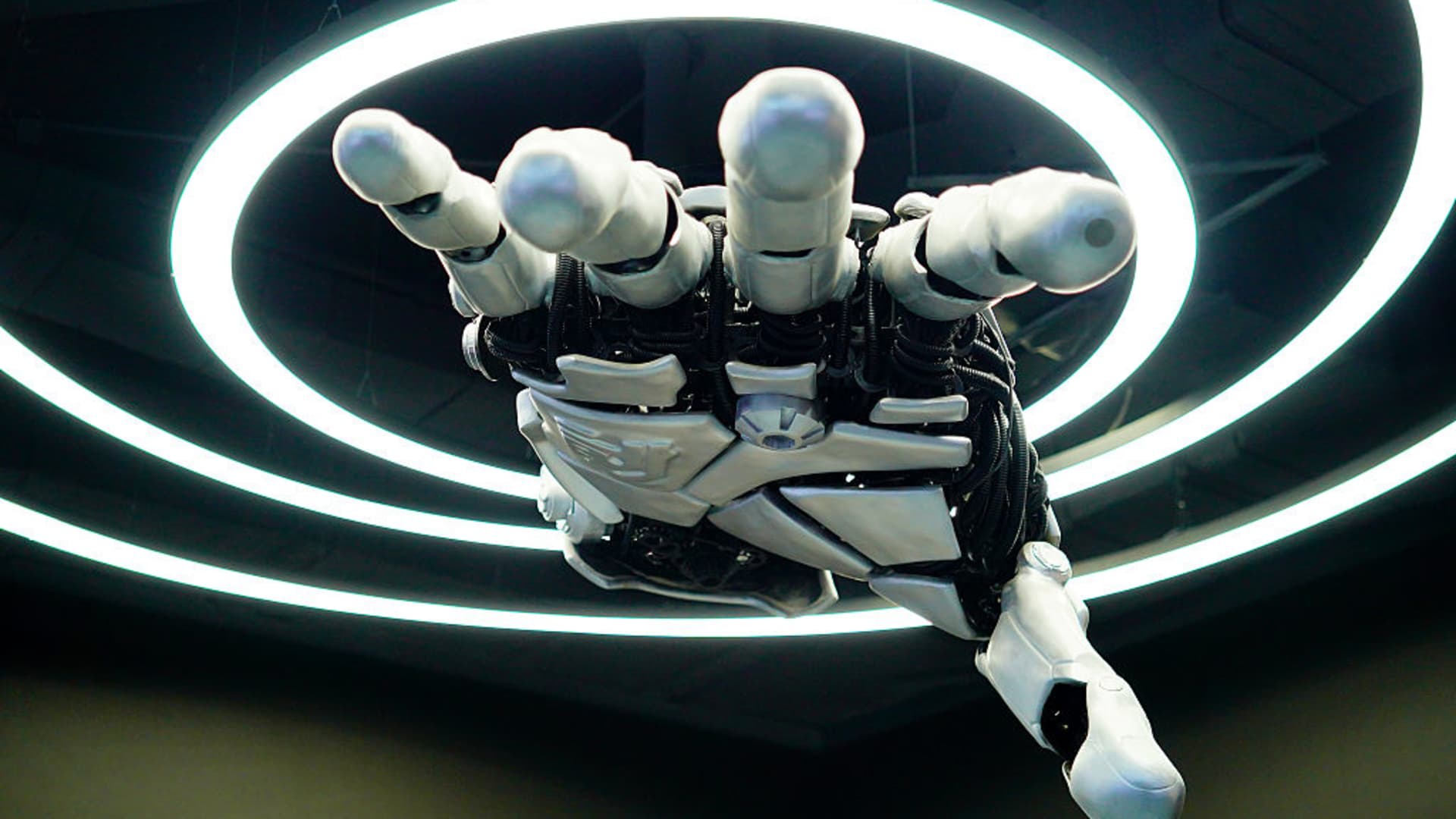
Nvidia is increasingly integrating Chinese-manufactured mechanical hands into its humanoid robot systems. Startups like Sharpa and Wuji, both founded in Shanghai, are key suppliers for the chipmaker's latest training packages.
Nvidia's Strategic Reliance on Chinese Robotics Innovation
Recent reports from CNBC’s The China Connection highlight a significant intersection between U.S. artificial intelligence leadership and Chinese hardware manufacturing. Nvidia, a global titan in the semiconductor and AI space, has increasingly integrated mechanical hands developed by China-linked startups into its humanoid robot training packages. This development underscores a complex reality: while the U.S. leads in AI software and high-end processing power, the physical dexterity required for humanoid robots—specifically the mechanical hands—is being effectively sourced from innovative Chinese firms like Sharpa and Wuji.
The Role of Specialized Hardware
Humanoid robotics presents a unique engineering 'pain point' regarding the mechanical hand. Achieving human-like movement, grip, and tactile feedback is incredibly difficult, and these specialized components are critical for the functionality of embodied intelligence. By leveraging hardware from companies like Wuji, founded by Pan Yunzhe in 2019, Nvidia is tapping into a mature ecosystem of robotics engineering that has flourished in hubs like Shanghai and Shenzhen. These firms have successfully secured backing from major players such as Ant Group, signaling a robust venture capital interest in the Chinese robotics sector.
The Geography of Embodied Intelligence
This trend is physically manifested in spaces like Beijing’s 'Robot Mall,' the world’s first embodied intelligent robot 4S store. The presence of these mechanical hands in such a venue reflects China's broader ambition to dominate the supply chain for next-generation automation. As Nvidia pushes forward with its humanoid training systems, the reliance on these specific Chinese components suggests that the future of robotics will be a hybrid effort, combining Western AI 'brains' with Eastern mechanical 'hands.'
Broader Implications for Global Tech
This reliance raises questions about the future of tech supply chains in an era of heightened geopolitical sensitivity. While Nvidia remains at the forefront of AI innovation, the dependency on China-linked startups for critical hardware components highlights the difficulty of decoupling in the high-tech sector. As humanoid robots transition from labs to commercial environments, the ability to manufacture reliable, mass-producible mechanical hands will become a primary competitive advantage.
Future Trends and Conclusion
Looking ahead, we can expect to see further collaboration between top-tier U.S. AI developers and specialized Chinese hardware firms. As the robotics industry moves toward standardization, the companies that can bridge the gap between sophisticated software training and high-performance physical hardware will likely dictate the pace of the humanoid revolution. Nvidia’s current strategy suggests that they are prioritizing performance and availability, utilizing the best-in-class components regardless of their geographic origin to solidify their dominance in the burgeoning robotics market.