Australia's batting muddle reflects wider problem with their Test future
Source Entity
Latest News: Todays Latest News Headlines from India & World | Hindustan Times | Hindustan Times
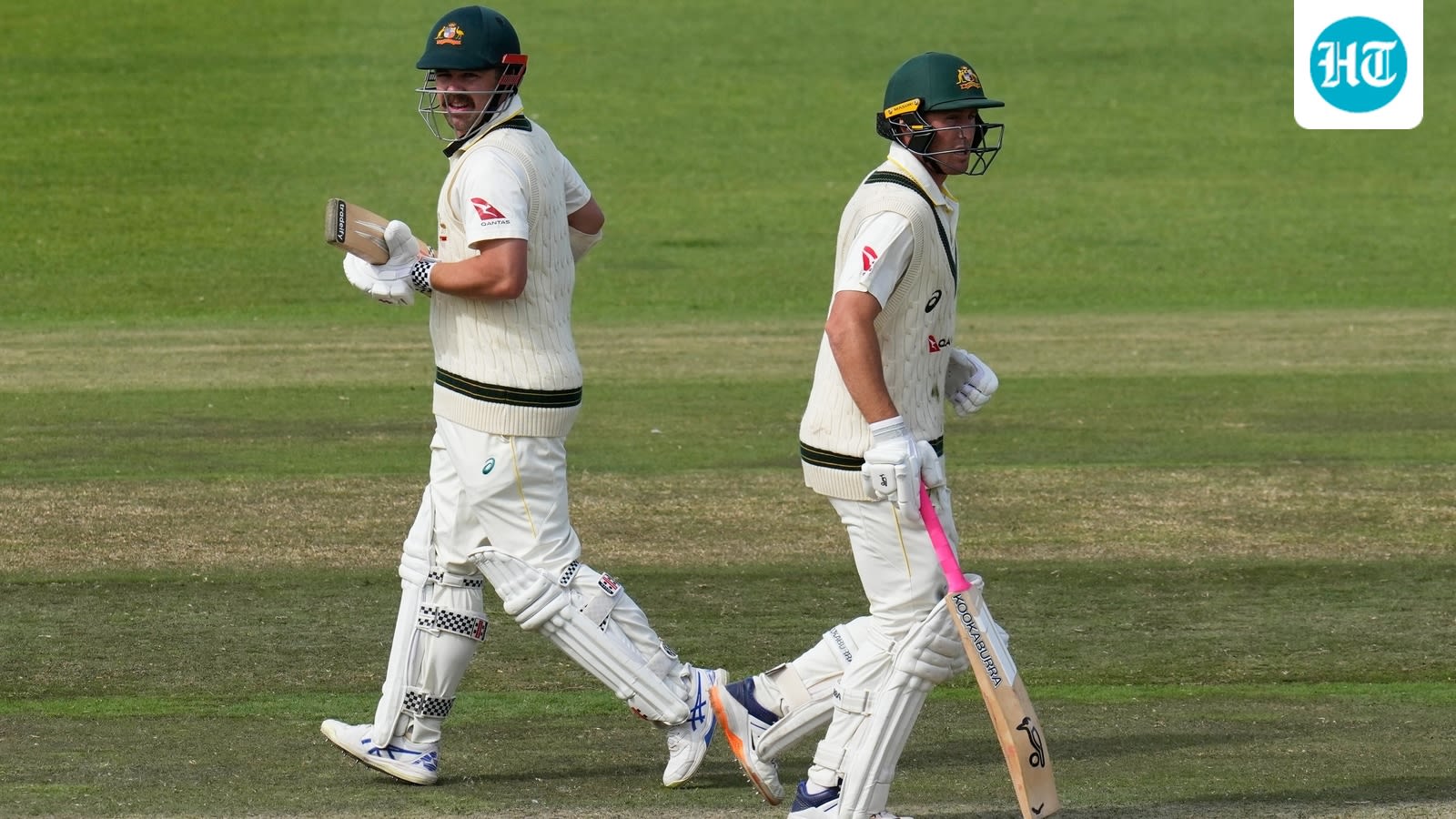
Australia is facing a critical transition period in Test cricket following the retirements of David Warner and Usman Khawaja. The team is struggling to identify a stable batting lineup, trailing global rivals in integrating younger talent into the squad.
Australia’s Test Cricket Crossroads: A Comprehensive Analysis
The End of an Era and the Vacuum Left Behind
The Australian Test cricket team currently finds itself at a precarious juncture. For years, the team relied on a core group of stalwarts who prioritized red-ball excellence, maintaining a position as a dominant force in world cricket. However, the retirement of David Warner in January 2024, followed by the departure of Usman Khawaja, has created a significant leadership and experience void. These departures were not merely the loss of individual run-scorers; they represented the end of a specific era of stability that allowed the team to remain competitive at the highest level.
Struggling with the Transition
Unlike global rivals such as India, South Africa, New Zealand, and England, Australia has notably lagged in the systematic integration of younger players into their Test setup. The transition process, which is critical for maintaining consistency, appears to have been mismanaged. While other nations have actively scouted and blooded new talent, Australia has been forced into a reactive stance, desperately searching for solutions to replace their iconic top-order batters.
The Failure of Strategic Combinations
The current batting muddle has been significantly worsened by the team's experimental approach to their lineup. In a frantic attempt to find a winning formula, selectors have rotated players like Steve Smith, Nathan McSweeney, Sam Konstas, Jake Weatherald, and Marnus Labuschagne across various roles. This lack of continuity has prevented any single player from settling into a position, creating a ripple effect of uncertainty that permeates the entire batting order. The constant shifting of roles has likely hindered the confidence of the younger players trying to establish themselves.
Comparative Analysis and Global Trends
When viewed against the backdrop of international cricket, Australia’s current predicament is particularly stark. England’s 'Bazball' era, India’s deep talent pool, and the resilient youth integration seen in South Africa and New Zealand highlight a global trend toward proactive squad development. Australia, conversely, appears to be clinging to legacy structures while failing to foster a new generation of red-ball specialists. This disparity suggests that the issue is not just a lack of talent, but a broader failure in the selection strategy and long-term planning for the Test format.
Future Outlook: The Urgent Need for Stability
The future of Australian Test cricket rests on the ability of the selectors to stop the cycle of constant rotation. If the team continues to struggle with finding a settled top order, they risk sliding further down the ICC rankings. The path forward requires a clear commitment to a specific group of players, giving them the necessary time and support to adapt to the rigors of Test cricket. Without a shift from experimental shuffling to a disciplined, long-term development philosophy, the team will continue to face difficulty in reclaiming its former dominance in the red-ball game.
Verification Required?