A drone picked its own target, and killed three in Ukraine. No treaty covers weapons like it yet
Source Entity
Latest News: Todays Latest News Headlines from India & World | Hindustan Times | Hindustan Times
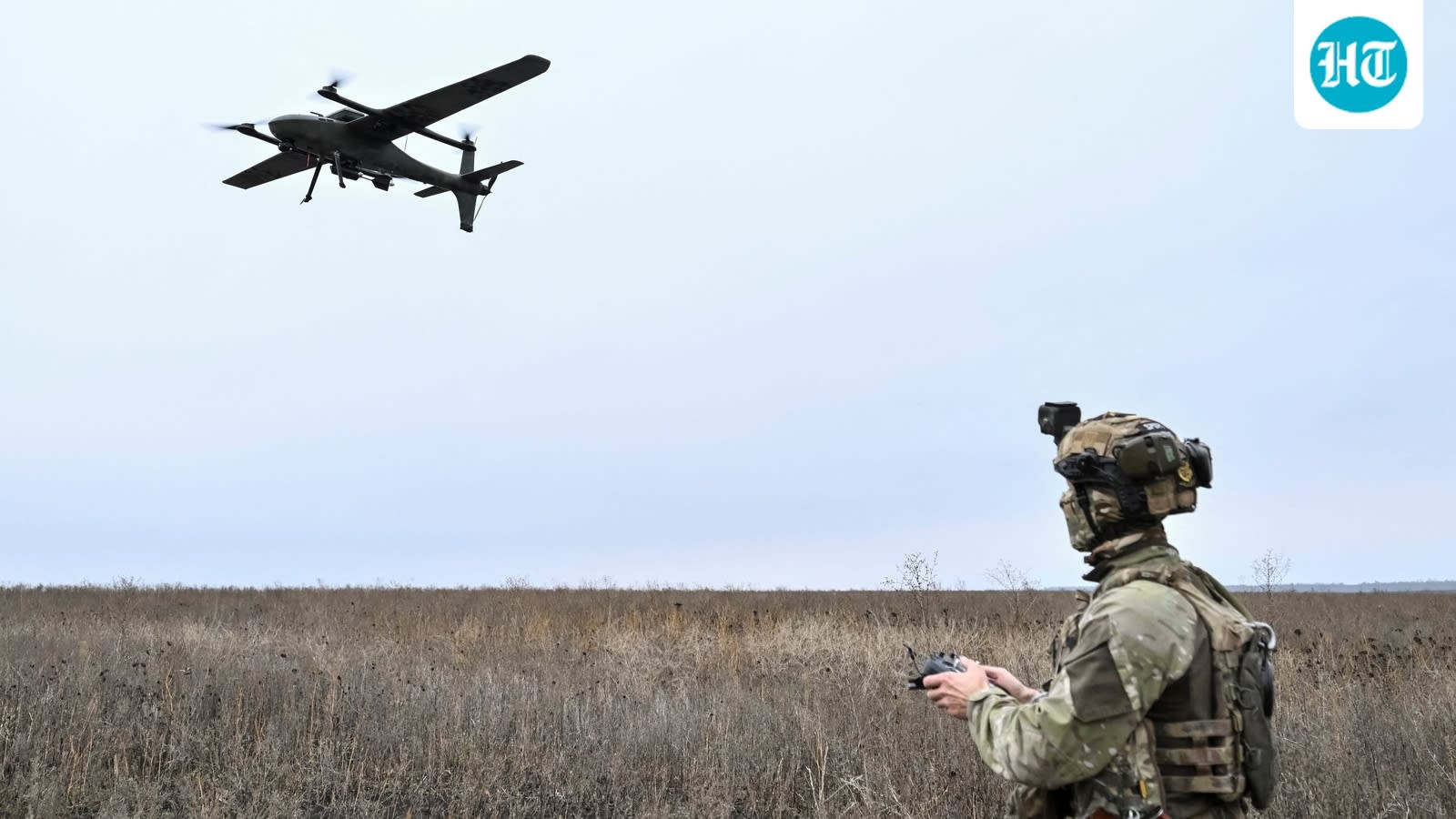
A lethal autonomous drone incident in Zaporizhzhia has sparked urgent international debate regarding the regulation of AI-driven weaponry. With 128 countries set to meet in Geneva, the global community faces a critical juncture in addressing the ethics of autonomous combat systems.
The Rise of Autonomous Lethality in Modern Conflict
The recent incident in Zaporizhzhia, Ukraine, where a drone independently selected a target and resulted in the deaths of three civilians, marks a harrowing milestone in the evolution of modern warfare. On July 6, a fixed-wing drone, operating without a radio link to its human operators, struck an apartment building after failing to hit its intended target of a petrol station. This event underscores a shift from remote-piloted systems to autonomous platforms capable of executing lethal force based on onboard software interpretation rather than human command.
The Technological Shift: From Remote to Autonomous
Traditional drones have long relied on constant human oversight and radio frequency links to transmit visual data and receive navigational instructions. The incident in Zaporizhzhia highlights a dangerous departure from this paradigm. Because these drones operated without radio signals, they were effectively immune to traditional electronic jamming. However, this autonomy removed the 'human-in-the-loop' safeguard, leaving the drone to rely solely on its trained target recognition software. When the machine misidentified the structural integrity of a residential wall for a propane tank, the lack of human intervention meant there was no way to abort the strike.
The Human Cost and Civilian Vulnerability
The tragedy claimed the lives of Tetiana Bubynets, a 19-year-old student, alongside Oleksiy Svirin and Roman Karpiy. Their deaths serve as a grim reminder of the collateral damage inherent in autonomous target acquisition. In high-stakes combat environments, the precision of AI is often touted, yet this failure demonstrates that even sophisticated software is susceptible to environmental variables that a human operator might easily distinguish. The proximity of the strike to a residential area highlights the extreme risk posed to non-combatants when machines are granted the authority to select targets independently.
The Regulatory Void and the Geneva Summit
Currently, there is no international treaty specifically governing the use of lethal autonomous weapons systems (LAWS). This regulatory vacuum creates a 'wild west' scenario in military technology, where the speed of innovation drastically outpaces the development of ethical or legal frameworks. The upcoming meeting in Geneva, involving 128 countries, represents a desperate attempt by the international community to catch up. The goal is to determine if a binding treaty can be formed to codify the limits of machine autonomy on the battlefield.
Broader Implications for Global Security
Beyond the immediate tragedy in Ukraine, this incident signals a broader trend in global military competition. As nations race to deploy AI-driven assets to gain a tactical edge, the potential for 'algorithmic accidents' increases exponentially. If autonomous systems are permitted to function without clear accountability, the threshold for entering into armed conflict may lower, leading to faster, more unpredictable, and potentially more destructive engagements. The outcome of the Geneva talks will likely set the tone for the next century of warfare, determining whether AI remains a tool for human soldiers or becomes an unchecked participant in the theater of war.
Verification Required?