Faith and its fallout
Source Entity
India Latest News: Top National Headlines Today & Breaking News | The Hindu
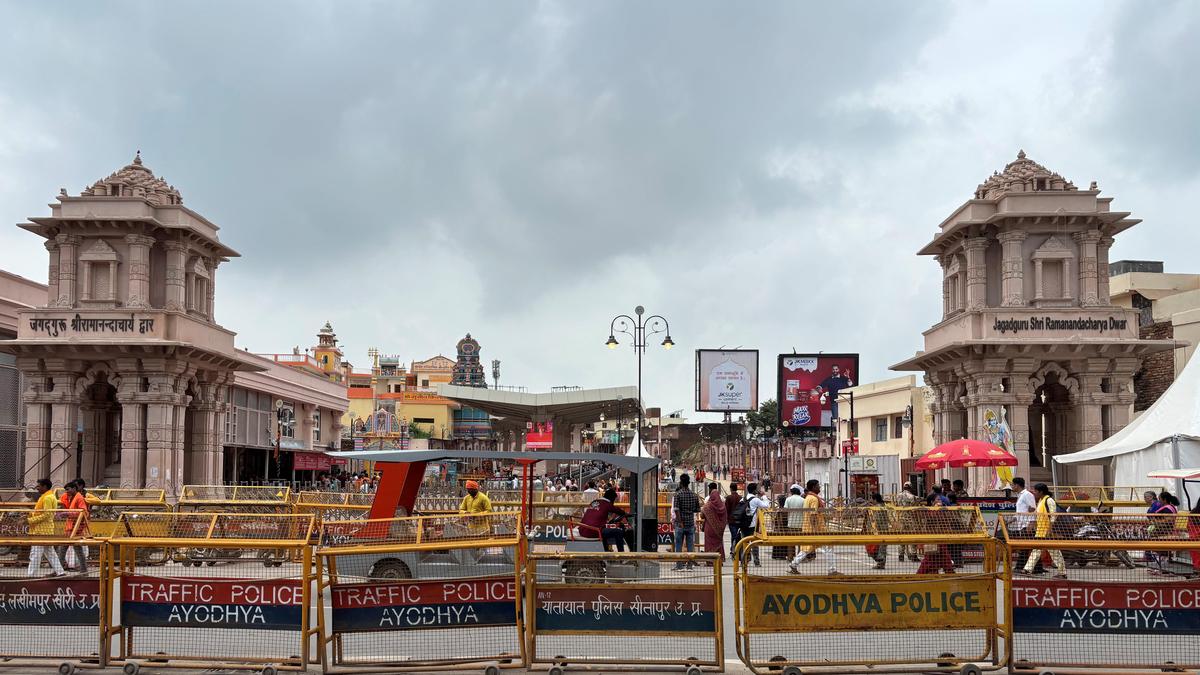
Allegations of misappropriated donations at Ayodhya's Ram temple have triggered a crisis of trust among devotees. While faith in the deity remains strong, an SIT probe is now investigating the siphoning of funds amid reported dips in visitor numbers.
Faith Under Scrutiny: The Financial Controversy at Ayodhya's Ram Temple
Ayodhya, a city defined by its deep spiritual significance, is currently grappling with a complex intersection of unwavering faith and institutional distrust. The Ram temple, a monumental achievement that took seven years to construct at a cost of ₹1,900 crore, stands as a symbol of religious revivalism with its imposing 161-foot-tall spire. However, the grandeur of the Jagadguru Shri Ramanandacharya Dwar and the meticulously managed crowds are now overshadowed by serious allegations regarding the siphoning of donation funds. This situation has created a palpable tension in the temple town, where the rituals of devotion are now clashing with demands for financial accountability.
The Erosion of Institutional Trust
The core of the current crisis is not a decline in spirituality, but a breakdown in trust toward the management of the shrine. Reports indicate that while pilgrims continue to flock to the temple—passing through rigorous security checks and metal detectors—there is a growing hesitation to contribute financially. This "crisis of trust" represents a significant psychological shift; devotees distinguish between their immutable faith in Lord Ram and their skepticism toward the human intermediaries handling the temple's coffers. The act of donating, traditionally a gesture of selfless devotion, has become a calculated decision, as pilgrims fear their contributions may not be reaching the intended divine cause.
Impact on Religious Tourism and Local Economy
Ayodhya's aspirations to become a global hub for religious tourism are facing a dual challenge. Local residents have reported a dip in the number of visitors, a trend that is particularly concerning given the massive infrastructure investment poured into the city. While some attribute this decline to seasonal fluctuations—the oppressive heat of July often deterring travelers—the timing of the donation scandal suggests a deeper correlation. If the perception of financial mismanagement persists, it could dampen the enthusiasm of long-distance pilgrims, thereby impacting the local economy that has grown to depend on the steady stream of devotees.
The Role of the SIT Probe and Accountability
In response to the allegations, a Special Investigation Team (SIT) has been tasked with probing the siphoning of funds. This legal intervention is critical because the scale of the Ram temple project—both in terms of cost and symbolic value—leaves no room for administrative opacity. The SIT's objective is to establish a clear trail of accountability, identifying exactly where the funds were diverted and who was responsible. For the temple administration, the outcome of this probe is not merely a legal necessity but a prerequisite for restoring the confidence of millions of donors across India and the world.
Broader Implications for Religious Governance
This event highlights a recurring tension in the management of high-profile religious sites: the balance between traditional faith-based administration and modern corporate governance. When a project reaches the scale of ₹1,900 crore, it ceases to be a simple community shrine and becomes a massive financial entity. The Ayodhya situation suggests that devotees are increasingly expecting transparency and auditing standards similar to those found in the secular corporate world. The demand for accountability indicates a maturing relationship between the devotee and the institution, where faith no longer implies a blind acceptance of administrative malpractice.
Future Trends in Temple Management
Looking forward, it is likely that the fallout from this scandal will accelerate the adoption of digital transparency in religious donations. To combat the "crisis of trust," temple trusts may move toward blockchain-based tracking or real-time public ledgers to show how donations are utilized. The resolution of the current SIT probe will serve as a benchmark for other major shrines in India. If handled with transparency, it could lead to a more robust framework for religious governance; if left ambiguous, it may permanently alter the donating patterns of a cautious and increasingly skeptical public.
Summary of the Crisis
In conclusion, while the physical structure of the Ram temple remains a marvel of architecture and a beacon of faith, its institutional integrity is currently under trial. The juxtaposition of the "Jai Shri Ram" chants with the quiet apprehension over missing funds encapsulates the current mood of Ayodhya. The path to recovery lies in the SIT's ability to bring transparency to the temple's finances, ensuring that the spiritual sanctuary remains untainted by the fallout of financial greed.
Verification Required?