Ahead of Ram Temple CEO selection, a 9-page letter creates a stir in Ayodhya, buzz of Champat Rai’s ‘return’
Source Entity
Maulshree Seth
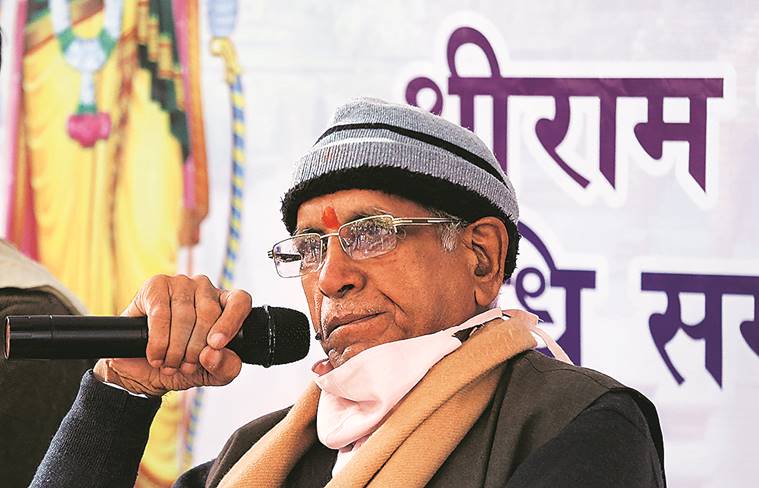
A nine-page letter attributed to former Trust general secretary Champat Rai has stirred controversy regarding the administrative control of the Ram Temple construction. The document emerges as the Trust prepares to appoint a new CEO following a donation theft scandal, highlighting internal friction between key figures.
Internal Turmoil at the Ram Janmabhoomi Trust
As the Shri Ram Janmabhoomi Teerth Kshetra Trust (SRJTKT) prepares for a critical meeting on September 3, a nine-page document has surfaced, casting a spotlight on the internal power dynamics of the organization. The letter, which provides a retrospective of the movement, the legal battles, and the subsequent construction of the temple, has created a significant stir in Ayodhya. The timing of this release is particularly sensitive, as the Trust is tasked with appointing its first Chief Executive Officer (CEO) following a damaging donation theft scandal.
The Shadow of Champat Rai
Much of the speculation surrounding the document points toward Champat Rai, the former general secretary of the Trust. Rai stepped down from his position following allegations linked to the donation row. However, with the Uttar Pradesh government’s Special Investigation Team (SIT) reportedly clearing him of direct blame in the theft scandal, his continued presence in Ayodhya—characterized by frequent meetings with local sadhus and seers—has fueled rumors of a potential political or administrative return to the fold.
Conflict Over Administrative Authority
Beyond the search for a new CEO, the letter has ignited a public discourse regarding the influence of Nripendra Misra, the chairman of the temple construction committee. In an article released on August 18, Rai characterized Misra as having exerted "near-complete control" over the construction process. According to the document, Misra allegedly acted as the final authority on all decisions, effectively marginalizing other voices within the Trust and installing his own associates into key committee positions.
Political Implications and Allegations
The controversy has transcended internal administrative disputes, drawing in broader political actors. While Nripendra Misra has dismissed the claims as devoid of anything "negative or controversial," political opponents, including the Congress party, have sought to frame the narrative as a deeper ideological or power-based rift between Prime Minister Narendra Modi and RSS chief Mohan Bhagwat. This framing underscores the sensitivity of the temple project, which sits at the intersection of religious sentiment and national politics.
Future Outlook for the Trust
As the September 3 meeting approaches, the Trust faces the dual challenge of restoring public trust following the donation theft scandal and resolving the internal friction highlighted by the nine-page letter. The appointment of a CEO will be a litmus test for the organization's ability to maintain unity. Whether the Trust can pivot toward a more collaborative administrative model or whether the allegations of singular authority will continue to hamper its operations remains a central question for observers of this historic project.