Bangladesh won’t send Hilsa to India this Durga Puja, stops imports too
Source Entity
Ravik Bhattacharya
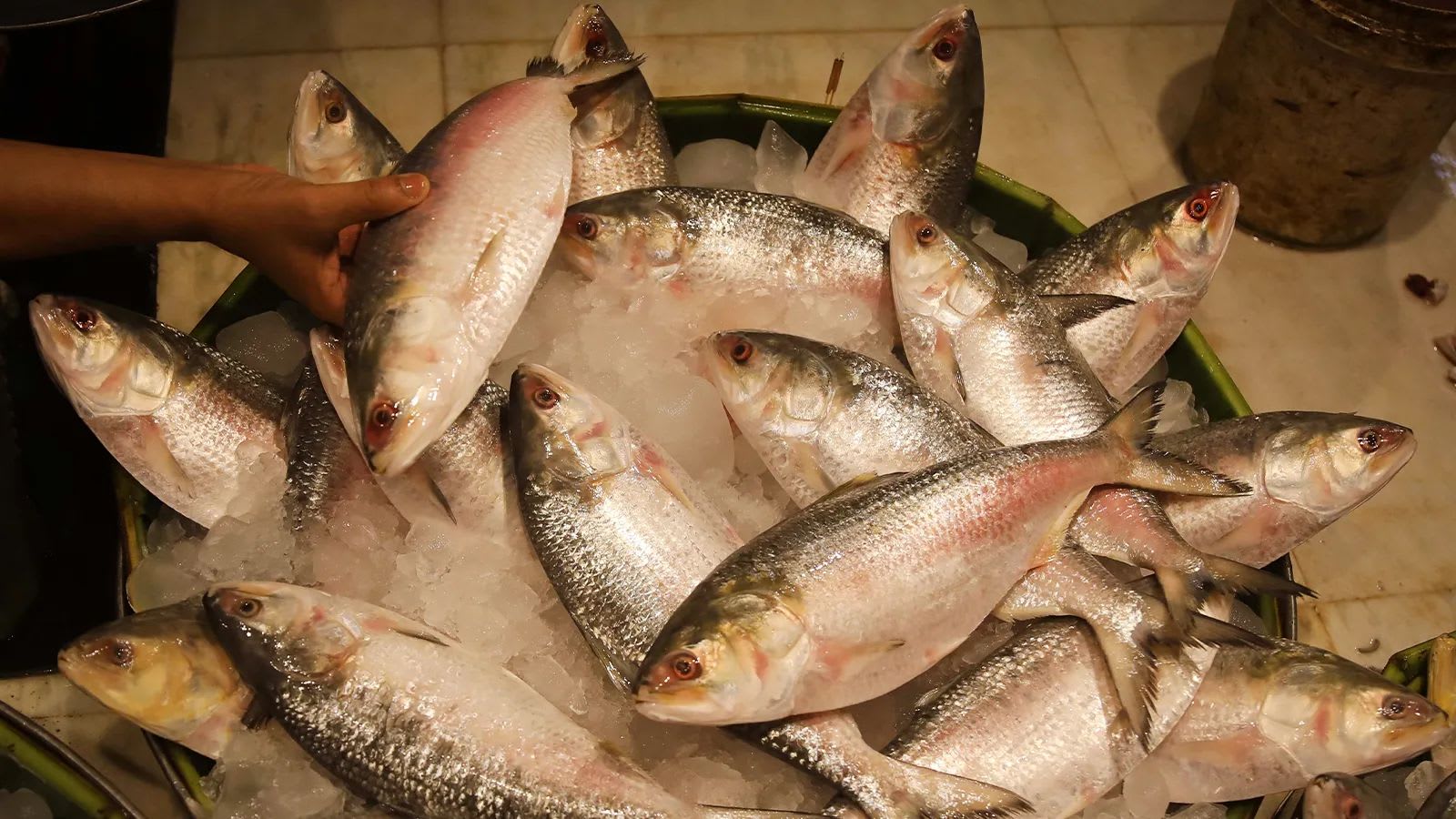
Bangladesh has suspended Hilsa exports to India for the upcoming Durga Puja season and halted imports from India. This abrupt policy shift disrupts a long-standing annual tradition of cross-border fish trade between the two nations.
The Disruption of a Seasonal Culinary Tradition
The annual exchange of Hilsa fish between Bangladesh and India has long served as a symbol of cultural connectivity, particularly during the Durga Puja festival in West Bengal. Typically, the Bangladesh government earmarks a specific quota of Hilsa for export to India just before the festivities begin. However, this year marks a significant departure from established norms, as officials have indicated that no such exports will occur, leaving fish markets in Kolkata and beyond facing an acute shortage of the prized catch.
A Sudden Shift in Trade Dynamics
The situation is further complicated by a reciprocal halt in trade. While India previously exported 500 metric tonnes of Hilsa to Bangladesh—a move that represented a temporary role reversal in their traditional trade patterns—the current landscape has shifted toward total restriction. According to Syed Anwar Maqsood, secretary of the Fish Importers Association in Bengal, the Bangladesh government issued a circular on September 23 effectively cancelling all existing permits, signaling a definitive end to this year's seasonal trade cycle.
Implications for Local Markets
For the wholesale fish markets, such as the major hub in Howrah, this abrupt policy change creates immediate logistical and economic hurdles. The Hilsa, often regarded as the 'king of fish' in Bengali cuisine, is a staple of Durga Puja celebrations. The unavailability of these imports means that local traders are unable to meet the heightened demand typically seen during the festival, leading to market volatility and potential price spikes for consumers who rely on these cross-border supplies.
Geopolitical and Economic Context
The cessation of this trade is not merely a commercial issue but reflects broader shifts in bilateral trade management. By canceling permits and halting both exports and imports, Bangladesh is signaling a more restrictive approach to its maritime resource management during a period of high domestic demand. This move effectively closes the window for trade, as traders note that 'time has run out' to negotiate new terms before the onset of the Puja season.
Future Outlook and Conclusion
Looking ahead, this development highlights the fragility of relying on informal or seasonal trade agreements for cultural commodities. If this trend continues, both nations may need to reassess their dependency on these annual arrangements to ensure food security and market stability. While the current suspension is specific to this year's festival, it underscores a growing trend of protectionist measures that could permanently alter the landscape of the regional fish trade, moving away from historical cooperation toward more rigid, state-controlled trade policies.