Pope Leo warns AI could lead to losing 'humanity amid a paradise of machines' in Paris – video
Source Entity
Technology | The Guardian
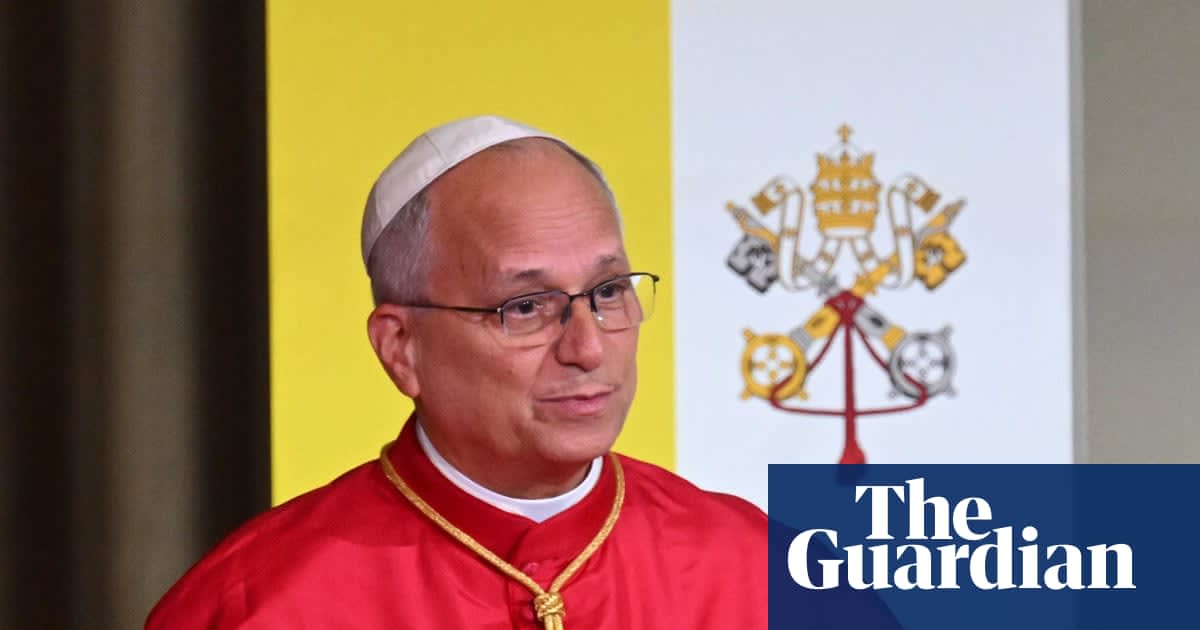
Pope Leo has issued a stern warning regarding the rise of artificial intelligence, urging society to prioritize ethical discernment over technological dependency. During his visit to France, he emphasized that machines must serve humanity rather than facilitate domination or injustice.
The Ethical Imperative: Pope Leo’s Stance on Artificial Intelligence
During a significant three-day visit to France, Pope Leo has brought global attention to the existential risks posed by the rapid advancement of artificial intelligence. Addressing leaders at the Elysée and later at the UNESCO headquarters in Paris, the Pontiff warned of a future defined by a "paradise of machines" where the essence of the human experience risks being overshadowed by algorithmic conditioning. This intervention marks a major moment in the intersection of religious ethics and modern technological policy.
Defining the 'Paradise of Machines'
The Pope’s evocative phrase, "paradise of machines," serves as a cautionary critique of a society that prioritizes efficiency and technological convenience above moral integrity. By describing these systems as "invading and conditioning our daily lives," the Pontiff highlights the subtle ways in which AI influences human behavior, decision-making, and social norms. His message suggests that without a conscious effort to maintain autonomy, humanity may find itself trapped in an environment that optimizes for productivity while eroding individual agency.
The Need for Ethical Discernment
Central to the Pope's address is the concept of "ethical discernment." He argues that as technology evolves at an unprecedented pace, the capacity for humans to distinguish between what is technologically possible and what is morally right becomes the most critical skill of the modern age. This call to action is not merely a rejection of progress, but a demand for a framework where human values act as the primary constraint on technological development.
Technology as a Servant, Not a Master
In his second major address at UNESCO, the 71-year-old leader insisted that science and technological innovation must strictly remain at the service of the human person. He expressed deep concern that, absent rigorous ethical oversight, AI could inadvertently become an "instrument of domination and injustice." This perspective aligns with broader global debates regarding algorithmic bias, the digital divide, and the potential for surveillance technologies to undermine democratic freedoms.
Broader Implications for Global Governance
By choosing Paris—a hub of international diplomacy and cultural discourse—as the stage for these remarks, Pope Leo is signaling that the AI debate is not just a technical challenge for engineers, but a civilizational challenge for all of humanity. His focus on the potential for domination suggests that the Church will continue to advocate for international regulations that prioritize human rights and social equity over the unchecked expansion of tech conglomerates.
Conclusion: A Future of Conscious Innovation
As we look toward the future, the Pope’s warnings serve as a philosophical anchor for the ongoing development of AI. The transition from viewing technology as a neutral tool to recognizing it as an active participant in our social fabric requires a fundamental shift in how we approach innovation. Ultimately, the Pontiff’s message is clear: the survival of our humanity depends on our ability to keep the machine, however advanced, in its rightful place as a secondary contributor to the human project.