How Iran’s 7-day plan to end war with US mirrors June memorandum
Source Entity
The Indian Express
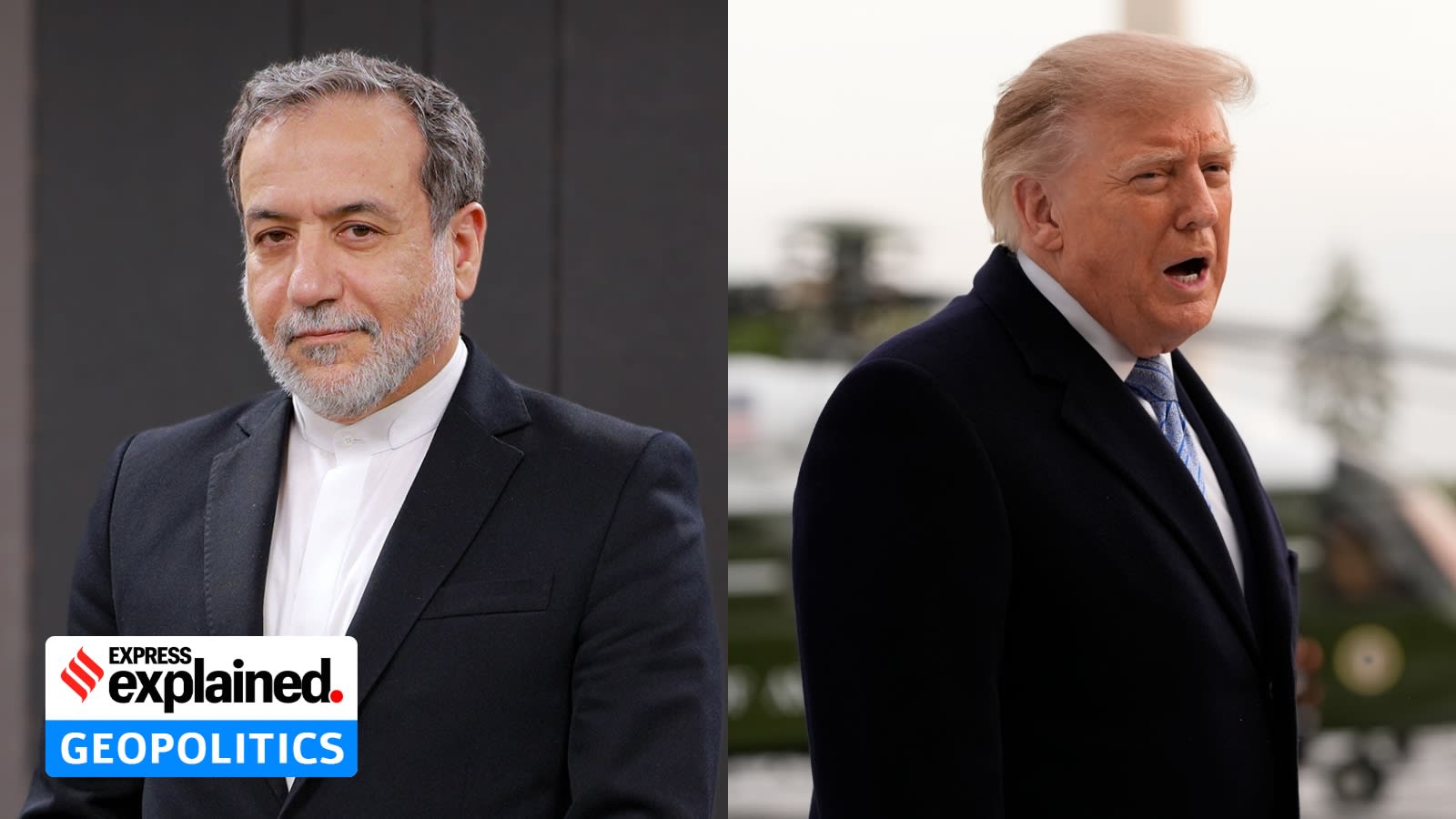
Iranian Foreign Minister Abbas Araghchi has proposed a seven-day de-escalation plan to the US aimed at ending the West Asian conflict. The proposal centers on reopening the Strait of Hormuz and resuming nuclear negotiations, drawing parallels to a June memorandum.
The Seven-Day Roadmap: Iran’s Diplomatic Overture
Iranian Foreign Minister Abbas Araghchi recently unveiled a significant diplomatic proposal during the United Nations General Assembly in New York. The plan, conveyed to the United States through intermediaries, outlines a structured seven-day timeline intended to de-escalate the conflict that has persisted in West Asia since February. At the heart of this initiative is the reopening of the Strait of Hormuz, a critical maritime chokepoint that has become a central bargaining chip in the ongoing geopolitical standoff.
Strategic Importance of the Strait of Hormuz
The Strait of Hormuz is not merely a geographic passage but a vital artery for global energy markets. By tying the reopening of this waterway to a broader cessation of hostilities, Tehran is signaling that the economic stability of the region is inextricably linked to the military conflict. The proposal suggests a phased approach where, provided specific conditions are met, the maritime passage would resume normal operations by the end of one week, acting as a primary barometer for the success of these negotiations.
Historical Continuity and the June Memorandum
According to Minister Araghchi, this current proposal is not an entirely novel construct but rather a refined iteration of a memorandum of understanding (MoU) reached between the two nations in June. This historical continuity suggests that Tehran is attempting to build upon previously established frameworks rather than starting from a vacuum. By framing the offer as 'old wine in a new bottle,' the Iranian leadership is signaling a degree of consistency, hoping that the previous work on this MoU provides a foundation of trust or at least a familiar template for current discussions.
The Nuclear Dimension
While the reopening of the Strait of Hormuz serves as the immediate tactical objective, the long-term goal remains the resumption of comprehensive talks regarding Iran’s nuclear program. Araghchi has remained somewhat opaque regarding the specific technical details of how the nuclear file fits into the seven-day window, though the intent to restart these negotiations is explicitly stated. This linkage suggests that Iran views the regional security crisis and its nuclear ambitions as two sides of the same coin, requiring a holistic diplomatic resolution.
Geopolitical Implications and Future Trends
If successful, this seven-day plan could represent a pivotal shift in the West Asian security landscape. The use of intermediaries highlights the lack of direct diplomatic channels between Washington and Tehran, underscoring the delicate nature of these high-stakes negotiations. Looking ahead, the willingness of the United States to engage with these terms will likely determine whether this proposal leads to a sustainable de-escalation or remains a symbolic gesture. The international community is now watching to see if the conditions mentioned by Araghchi are compatible with the strategic interests of the US and its regional allies.
Conclusion
In summary, Iran’s seven-day plan is a calculated attempt to break the current deadlock in West Asia. By leveraging the economic pressure of the Strait of Hormuz alongside the promise of returning to the nuclear negotiating table, Tehran has presented a clear, time-bound roadmap. Whether this proposal will effectively translate into a lasting truce depends on the behind-the-scenes negotiations and the ability of both parties to bridge the trust deficit that has defined their relationship for decades.