Chinese authorities reportedly in possession of F-35 components in Hong Kong
Source Entity
US Top News and Analysis
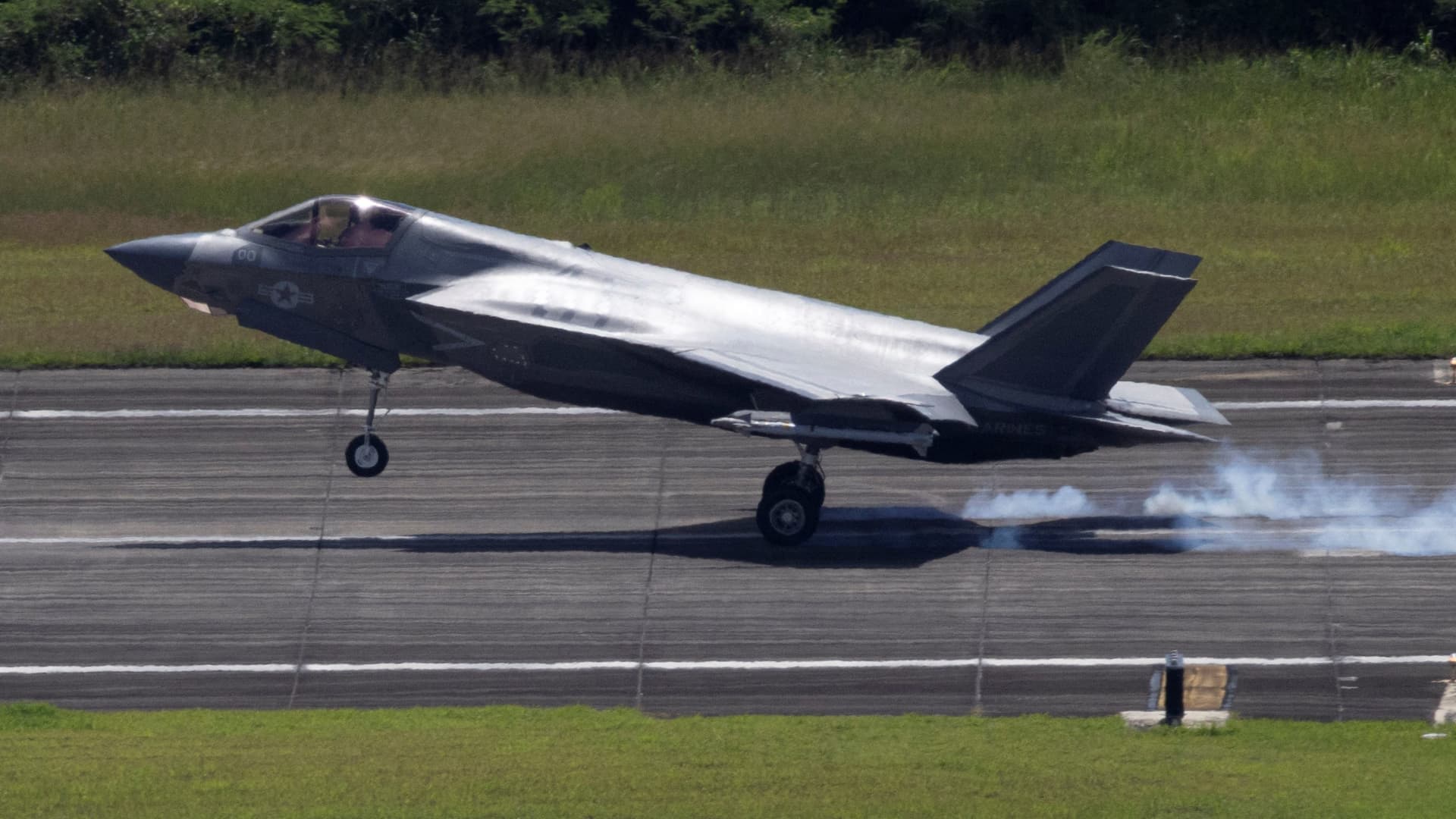
Sensitive F-35 stealth components, including a cockpit canopy and weapons bay door, were inexplicably diverted to Hong Kong while in transit from Australia to the U.S. The Pentagon and Australian authorities are now working to retrieve the technology amidst heightened diplomatic tensions ahead of high-level talks.
The F-35 Diversion Incident: A Strategic Security Breach
In a significant lapse of logistics and security, critical components of the United States' most advanced fighter jet, the F-35, have ended up in the possession of Chinese authorities in Hong Kong. The shipment, which included a cockpit canopy and a weapons bay door, was originally in transit from Australia to the United States via the shipping giant UPS. The inexplicable diversion of these parts to Hong Kong has triggered an urgent investigation by the Pentagon and the F-35 Joint Program Office.
The Technological Stakes of Stealth
At the heart of this incident is the concern over the proprietary technology embedded within the diverted hardware. Reports indicate that both the cockpit canopy and the weapons bay door are coated with specialized radar-absorbing material. This material is essential to the F-35's stealth capabilities, allowing the aircraft to evade detection by enemy radar systems. The unauthorized access to these components by Chinese authorities represents a potential intelligence windfall, as the structural and chemical composition of these coatings is highly classified and vital to maintaining the U.S. military's technological edge.
Logistical Anomalies and Investigations
The circumstances surrounding the diversion remain shrouded in mystery. While the shipment was initially headed to the U.S. from Australia, it reportedly made an unexplained stop in South Korea before being rerouted to Hong Kong. The F-35 Joint Program Office has confirmed they are actively collaborating with U.S. authorities and industry partners to retrieve the components. Furthermore, they are conducting an internal audit of their logistics chain to implement safeguards against future occurrences of such critical failures in transit security.
Diplomatic Implications Amidst High-Level Talks
This incident has emerged at a precarious moment in international relations, coinciding with scheduled talks between U.S. President Donald Trump and Chinese President Xi Jinping. The presence of sensitive American military hardware in Chinese custody is expected to be a contentious topic on the diplomatic agenda. The diversion serves as a stark reminder of the complexities involved in global supply chains for defense equipment and the persistent risks of espionage or accidental exposure in regions where geopolitical tensions are high.
Broader Strategic Context
The F-35 program is the cornerstone of modern Western air power, involving a vast international network of manufacturing and maintenance. The ability to track and secure these components is paramount to national security. As the Pentagon works to secure the return of these parts, the incident highlights the vulnerability of global shipping routes to interference or administrative errors. The outcome of this recovery effort will likely influence future protocols for the transport of sensitive defense technology, potentially leading to more stringent oversight and restricted shipping lanes for critical military components.