US returns 36 ancient Syrian artifacts worth over $5 million
Source Entity
TOI SCIENCE DESK
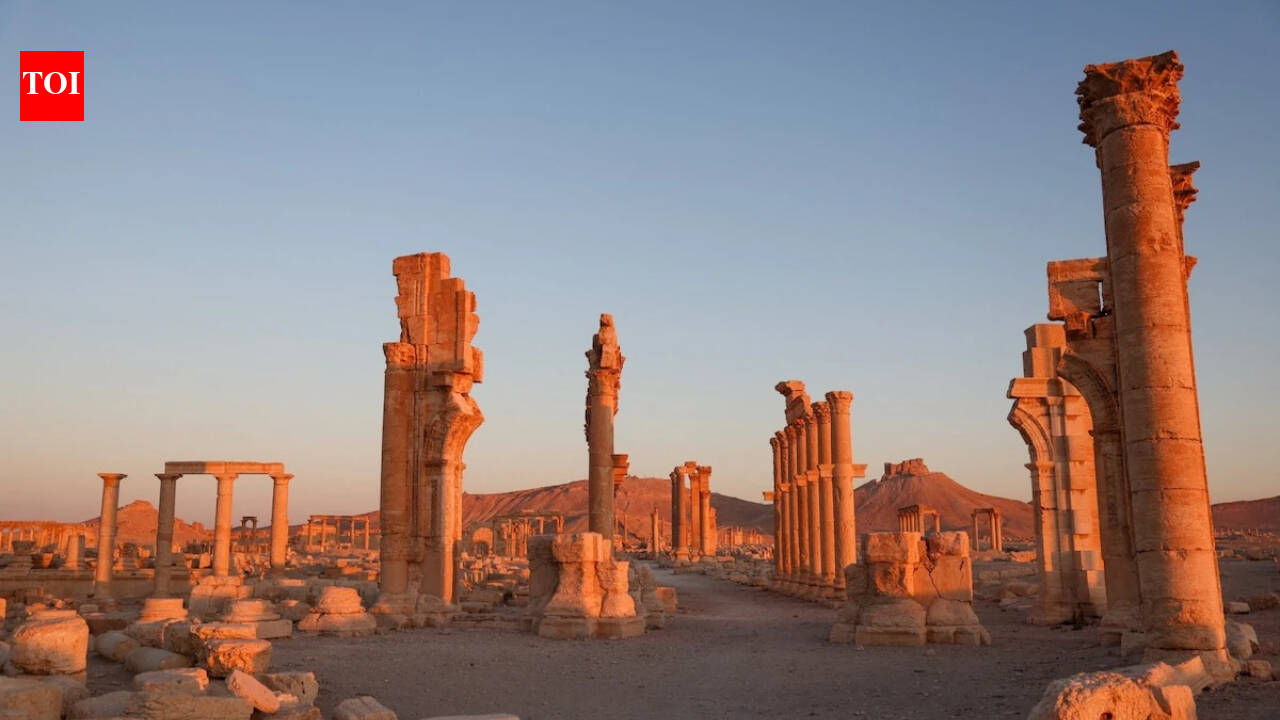
The United States has repatriated 36 ancient Syrian artifacts, valued at over $5 million, to their country of origin. This collection includes Roman-era mosaics and a significant relief from Palmyra, recovered from various private and institutional holdings.
The Repatriation of Syrian Heritage
In a significant move for cultural diplomacy and international law, the United States government has officially returned 36 ancient artifacts to Syria. Valued at over $5 million, this collection represents a diverse array of historical treasures that had been illicitly removed from their original landscapes. The repatriation, announced on September 23, underscores the ongoing global efforts to combat the looting and illegal trafficking of antiquities that have long plagued regions experiencing conflict.
A Collection of Immense Historical Value
The returned artifacts span several centuries, highlighting the rich and layered history of Syria. Among the most notable items are 14 exquisite mosaics recovered from a Roman villa, showcasing the sophisticated craftsmanship of the era. Particularly striking is a third-century BCE mosaic section depicting the mythological wedding of Telete and Eros. Created from hundreds of tiny pieces of colored stone known as tesserae, the piece serves as a testament to the artistic legacy of the region and the preservation challenges inherent in maintaining such delicate historical records.
Origins and Institutional Recovery
The recovery process involved meticulous tracing of a complex, global antiquities trade network. The 36 items were sourced from various locations, including major private holdings and prominent institutions. Notably, 13 of these pieces were retrieved from The Metropolitan Museum of Art (The Met), signaling an increasing willingness among world-class museums to audit their collections and return items with questionable provenance. This shift is vital for restoring the integrity of cultural heritage collections worldwide.
Palmyra and the Fight Against Looting
Among the repatriated items is a monumental relief from the ancient city of Palmyra. Palmyra, a UNESCO World Heritage site, has been a frequent target for looters and destruction during periods of regional instability. The return of such a significant piece serves as a symbolic victory against the erasure of history. It reinforces the importance of international cooperation in protecting archaeological sites from being stripped of their physical history to fuel the black market.
Broader Implications for Cultural Heritage
The repatriation of these Syrian artifacts is part of a larger, necessary movement to decolonize museum collections and repatriate stolen cultural property to nations of origin. As illicit trade networks are dismantled, the focus shifts toward the long-term preservation of these items within their home countries. This event highlights the necessity for rigorous documentation and provenance research, ensuring that institutions are not inadvertently participating in the trade of looted heritage.
Future Trends in Antiquities Regulation
Looking ahead, the success of this repatriation effort is likely to encourage further investigations into global private collections. As international laws concerning the movement of cultural property tighten, institutions will face increased pressure to verify the legality of their acquisitions. This trend toward transparency is essential for the future of archaeological research and the protection of global history, ensuring that the legacy of ancient civilizations like Syria remains accessible to the cultures that created them.