14 Kazakh military personnel killed during naval exercise; five officers detained
Source Entity
PRANJAL PANDEY
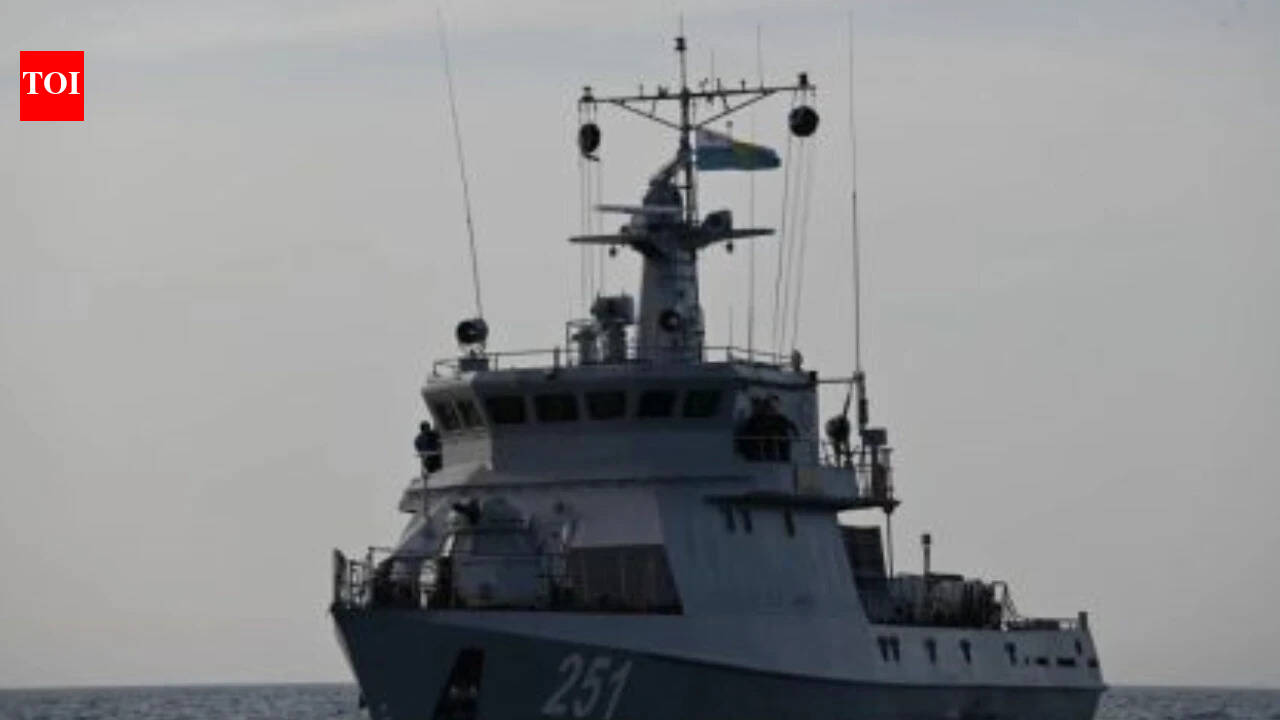
Fourteen Kazakh military personnel tragically died after being swept away during a naval exercise in the Caspian Sea. Authorities have detained five defense officials for alleged negligence, and President Tokayev has declared a national day of mourning.
Tragedy in the Caspian Sea: A Naval Exercise Turns Fatal
The military landscape of Kazakhstan is currently mourning a profound loss following a catastrophic incident during a naval exercise in the Caspian Sea. Reports indicate that at least 17 servicemen were swept away by treacherous waters while attempting to disembark from a patrol boat. Despite the immediate mobilization of rescue teams, only three soldiers were recovered alive, leaving 14 confirmed fatalities. This event highlights the inherent dangers faced by military personnel during maritime training operations, especially when subjected to volatile weather conditions.
The Role of Environmental Conditions
Naval operations in the Caspian Sea are notoriously challenging due to the region's unpredictable meteorological patterns. The harsh weather conditions mentioned in the reports likely played a pivotal role in destabilizing the disembarkation process, turning a routine training maneuver into a life-threatening scenario. Military training exercises are designed to simulate high-stress environments, but this incident underscores the thin margin for error when equipment, personnel, and nature interact in an unforgiving maritime theater.
Accountability and Legal Ramifications
In the immediate aftermath of the tragedy, the Kazakh authorities have moved to address potential systemic failures. The detention of five defense officials on charges of alleged negligence regarding navigation protocols suggests a formal investigation into whether safety standards were compromised. By focusing on the adherence to navigation protocols, the state is signaling a rigorous approach to internal accountability, aiming to determine if the loss of life was a result of procedural oversight or a failure to account for environmental risks.
National Mourning and Leadership Response
President Kassym-Jomart Tokayev’s decision to declare a national day of mourning serves as a formal acknowledgment of the gravity of this loss. Such gestures are critical in maintaining public trust in the armed forces, particularly when the state faces a significant institutional failure. By honoring the fallen, the government provides a space for collective grief while simultaneously navigating the political fallout that inevitably follows a military disaster of this magnitude.
Future Implications for Military Training
Looking forward, this tragedy will likely necessitate a comprehensive review of the Kazakh Ministry of Defense’s maritime training protocols. The focus will undoubtedly shift toward enhancing safety equipment, updating weather-related operational thresholds, and increasing the stringency of command decisions during exercises. For a nation that relies on its naval capabilities to secure its interests in the Caspian, the lessons learned from this disaster will be vital in preventing future loss of life and ensuring that military readiness does not come at the cost of personnel safety.