B'desh crisis: President resigns ahead of Hasina's return; reports of rift with govt
Source Entity
TOI WORLD DESK
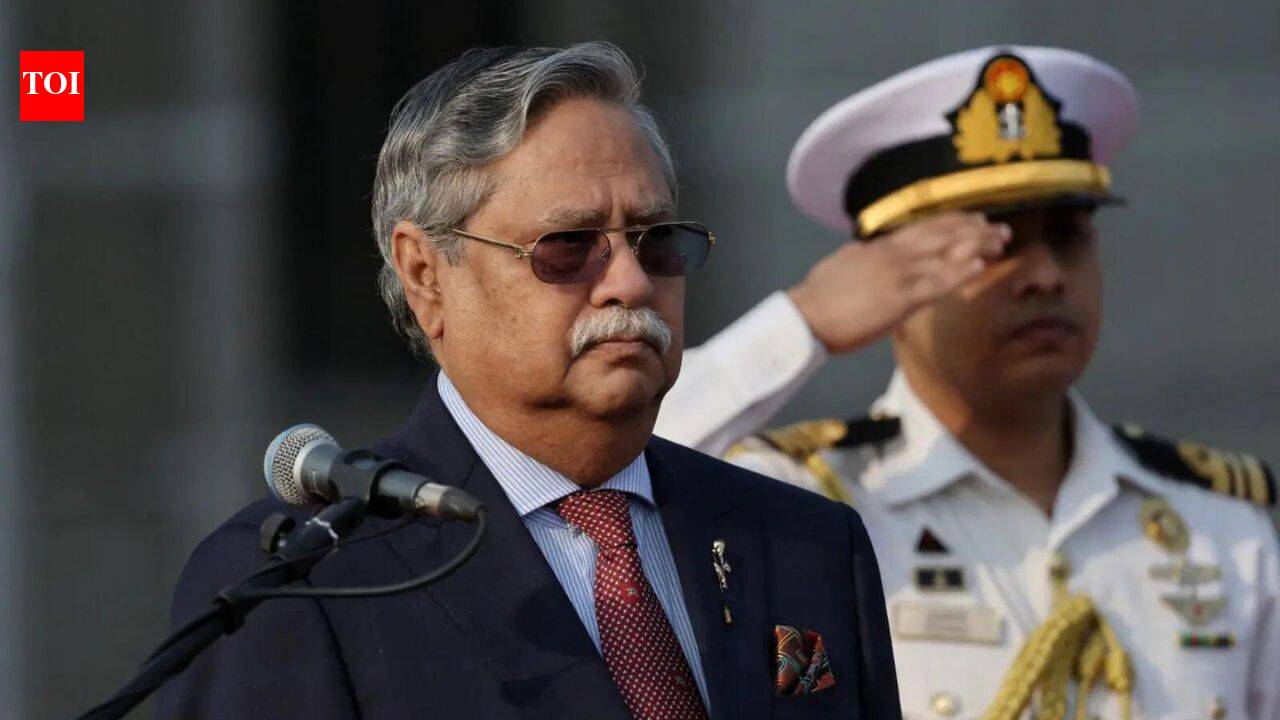
Bangladesh President Mohammad Shahabuddin has resigned amid political tension following his perceived ties to ousted leader Sheikh Hasina. Speaker Hafiz Uddin Ahmad is set to serve as interim president as the nation navigates a complex transition period.
The Resignation of President Mohammad Shahabuddin
A Shift in Political Alignment
The resignation of Bangladesh President Mohammad Shahabuddin marks a significant turning point in the nation's post-uprising political landscape. Serving nearly two years ahead of his mandated five-year term, Shahabuddin’s departure follows mounting pressure from the current government, which reportedly grew uncomfortable with his tenure due to his historical and political proximity to former Prime Minister Sheikh Hasina. This exit underscores the ongoing efforts by the current administration to distance state institutions from the legacy of the previous regime.
Context of the Ousted Leadership
Sheikh Hasina, who was ousted during a massive student-led uprising in August 2024, has been residing in exile in India. Her recent announcement regarding an intended return to Bangladesh in December—coupled with her stated plan to surrender following a conviction by a war crimes tribunal—has acted as a catalyst for political instability. The government’s move to facilitate the President's resignation appears to be a preemptive measure to consolidate power and ensure institutional alignment before the high-stakes return of the former leader.
Constitutional Transition and Continuity
Under the strict provisions of the Bangladesh Constitution, the vacuum created by the President's departure is to be filled by the Speaker of Parliament, Hafiz Uddin Ahmad. The urgency of this transition was made evident by the Speaker cutting short an official visit to Thailand to return to Dhaka. This constitutional mechanism is designed to prevent a total collapse of state functions during periods of executive transition, though it places significant pressure on the Speaker to maintain order in a highly polarized environment.
Historical Tensions and Future Implications
The relationship between the current administration and the remnants of the Awami League-era appointments remains a flashpoint for conflict. By removing a figure perceived as an ally to the ousted Prime Minister, the government is signaling a definitive break from the past. However, this move also highlights the fragile nature of the current interim governance, as the nation prepares for the legal and social fallout of Hasina’s potential return.
A Path Forward for Bangladesh
The coming weeks will be critical for Bangladesh as it manages the legal proceedings against Sheikh Hasina and the integration of new leadership. The international community and domestic stakeholders will be watching closely to see if the transition of the presidency remains peaceful and if the government can effectively navigate the legal complexities of the war crimes tribunal convictions while maintaining public order during this period of significant political realignment.
Multiple Citing Sources