'Sheikh Hasina is convicted criminal': B'desh law min sends extradition request to India
Source Entity
AASTHA JHA
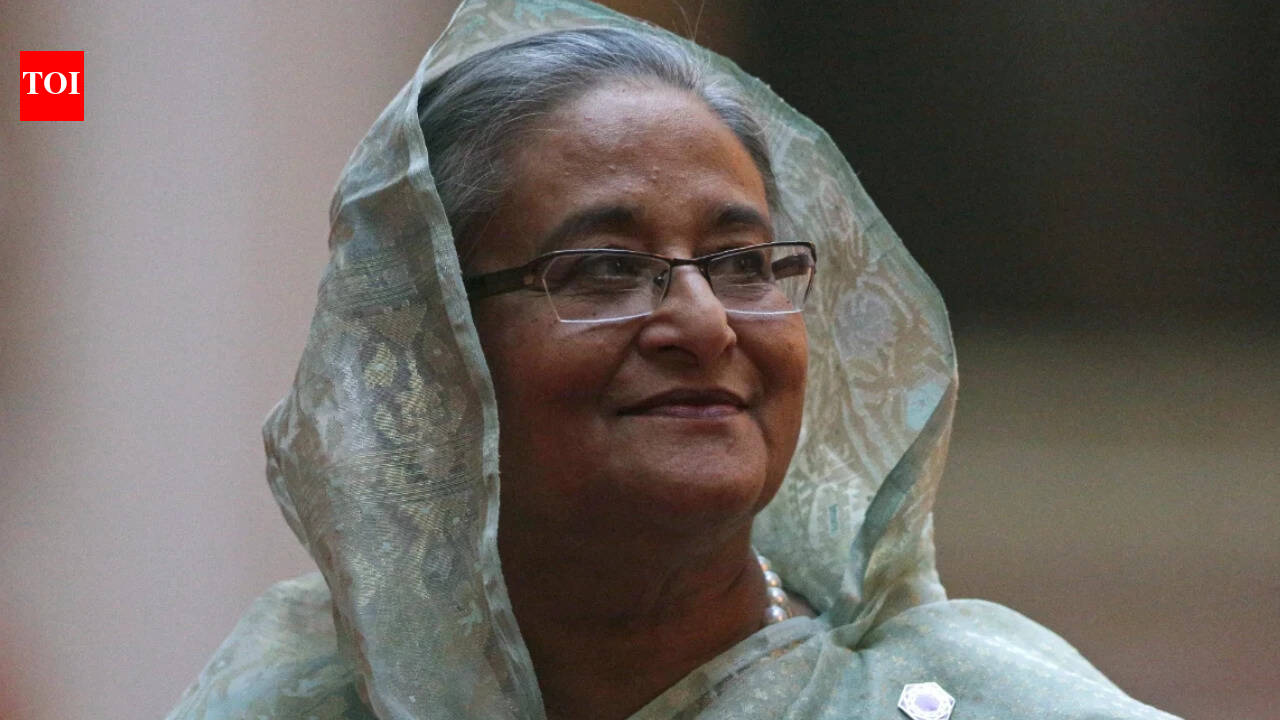
Bangladesh has formally requested India to extradite ousted Prime Minister Sheikh Hasina, labeling her a convicted criminal. The interim government intends to pursue her return through official legal and diplomatic channels.
The Extradition Request: A Diplomatic Flashpoint
The formal request by the Bangladeshi interim government for the extradition of former Prime Minister Sheikh Hasina marks a significant escalation in the post-uprising political landscape of the nation. Law Minister Md Asaduzzaman’s public declaration, labeling the former leader a "convicted criminal," signals a departure from previous diplomatic norms and underscores the current administration’s commitment to pursuing legal accountability for the events surrounding her ouster.
The Legal Basis for Extradition
By framing the request within the context of a tribunal conviction, the Bangladeshi government is attempting to move the discourse from political retribution to established legal procedure. The Law Minister emphasized that the government is strictly adhering to due process, suggesting that Dhaka plans to utilize existing extradition treaties and legal frameworks to compel India to surrender the former Prime Minister. This reliance on formal channels is a critical attempt to legitimize the demand on the international stage.
The Geopolitical Complexity
The request places India in a delicate geopolitical position. As a neighboring country that has historically maintained close ties with the Awami League, India’s response will be closely watched by the international community. The extradition process is inherently complex, often involving prolonged negotiations and specific legal criteria regarding political versus criminal offenses. The outcome of this request will likely serve as a barometer for the future of bilateral relations between Dhaka and New Delhi under the new administration.
Domestic Implications in Bangladesh
For the interim government in Dhaka, this move is essential to maintaining domestic political stability. By actively seeking the return of a leader who was ousted amid widespread public unrest, the current administration is addressing the demands of those who spearheaded the movement for change. Proving that no individual, regardless of their former position, is above the law is a central pillar of the current government's mandate to reform state institutions.
Challenges in Implementation
While the intent is clear, the path to actual extradition is fraught with practical and legal hurdles. Extradition treaties typically contain clauses that allow states to refuse requests if they are deemed to be politically motivated. The assertion by the Law Minister that Hasina is a "convicted criminal" is a direct attempt to preempt such arguments by anchoring the request in judicial findings rather than political grievances. However, the interpretation of these findings remains a point of contention that will likely be debated in both Indian and Bangladeshi courts.
Future Trends and Conclusion
Looking ahead, this situation is poised to remain a dominant theme in regional politics. If the extradition proceeds, it would represent a historic shift in regional accountability mechanisms. Conversely, if the request is denied or stalled, it may lead to increased friction between the two nations. Ultimately, the resolution of this matter will depend on the intersection of international law, the strength of the bilateral extradition treaty, and the evolving geopolitical priorities of both Dhaka and New Delhi.