Bangladesh to replace planned sculptures at historic sites
Source Entity
AHSAN TASNIM
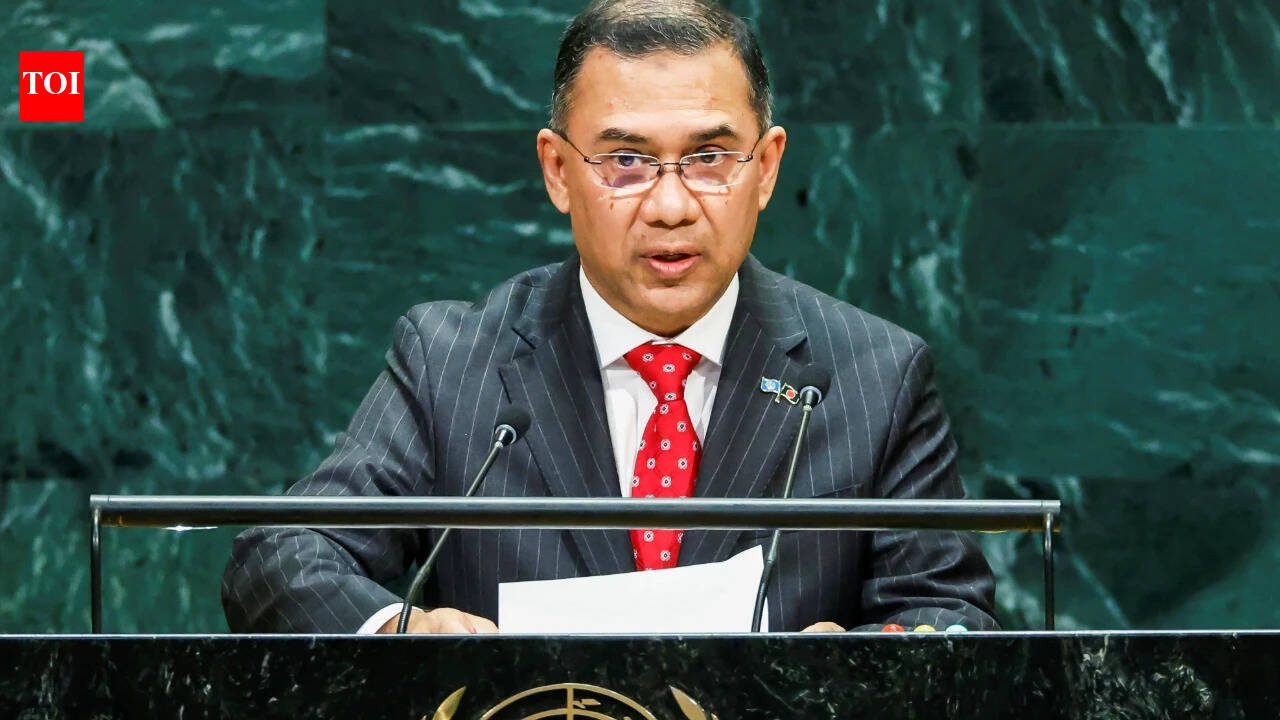
The Bangladesh government under Prime Minister Tarique Rahman plans to replace proposed sculptures of historical significance at Suhrawardy Udyan with water fountains. This decision aims to reconfigure the Independence Monument project at the historic site.
Redefining Historical Commemoration at Suhrawardy Udyan
The government of Bangladesh, led by Prime Minister Tarique Rahman, has initiated a significant policy shift regarding the aesthetic and commemorative landscape of Suhrawardy Udyan in Dhaka. The administration has proposed replacing planned sculptures—which were intended to honor the historic March 7, 1971 speech by Bangabandhu Sheikh Mujibur Rahman and the subsequent surrender of Pakistani forces—with water fountains. This move is officially described as a project to "rescope and repurpose" the existing Independence Monument project, signaling a departure from the previous commemorative strategy.
Historical Significance of the Site
Suhrawardy Udyan, historically recognized as the Ramna Race Course, serves as a critical 95-acre national memorial. Its importance in the Bangladeshi national identity cannot be overstated; it was here that Sheikh Mujibur Rahman delivered his clarion call for independence, effectively mobilizing the populace against the Pakistani establishment. Furthermore, the site hosted the formal surrender of the Pakistani military in December 1971, marking the definitive birth of Bangladesh as a sovereign nation. Any modification to the monuments at this location carries profound symbolic weight, as it alters how the state archives and displays its foundational history.
Administrative Rationale and Scope
According to sources within the Ministry of Liberation War Affairs, the decision to pivot toward water fountains is part of a broader administrative review of the Independence Monument project. While the government frames this as a functional repurposing, such architectural changes in public spaces often reflect a desire to shift the visual narrative of national heritage. By replacing figurative sculptures with abstract water features, the current administration is effectively changing the interaction between the public and the historical site, moving from explicit historical representation to a more aesthetic, environmental focus.
Broader Implications for National Memory
This proposal invites a wider debate on how nations curate their public memory. Sculptures that depict specific political figures and military events serve as permanent markers of ideological continuity. By proposing their removal or replacement, the government is engaging in a complex process of re-evaluating the physical manifestations of the 1971 liberation struggle. This decision will likely spark further discourse regarding the preservation of revolutionary history versus the modernization of public urban spaces.
Future Trends in Urban Commemoration
As Bangladesh continues to develop its urban infrastructure, the tension between maintaining historical integrity and implementing modern design remains a primary challenge for policymakers. The decision at Suhrawardy Udyan suggests a trend toward minimalist or functional public spaces. Future developments in this area will likely be closely monitored by historians and the public alike, as the transformation of these 95 acres continues to reflect the evolving political and cultural priorities of the current administration.