9 years after initial deadline, Delhi’s Barapullah Phase III flyover launched
Source Entity
Devansh Mittal
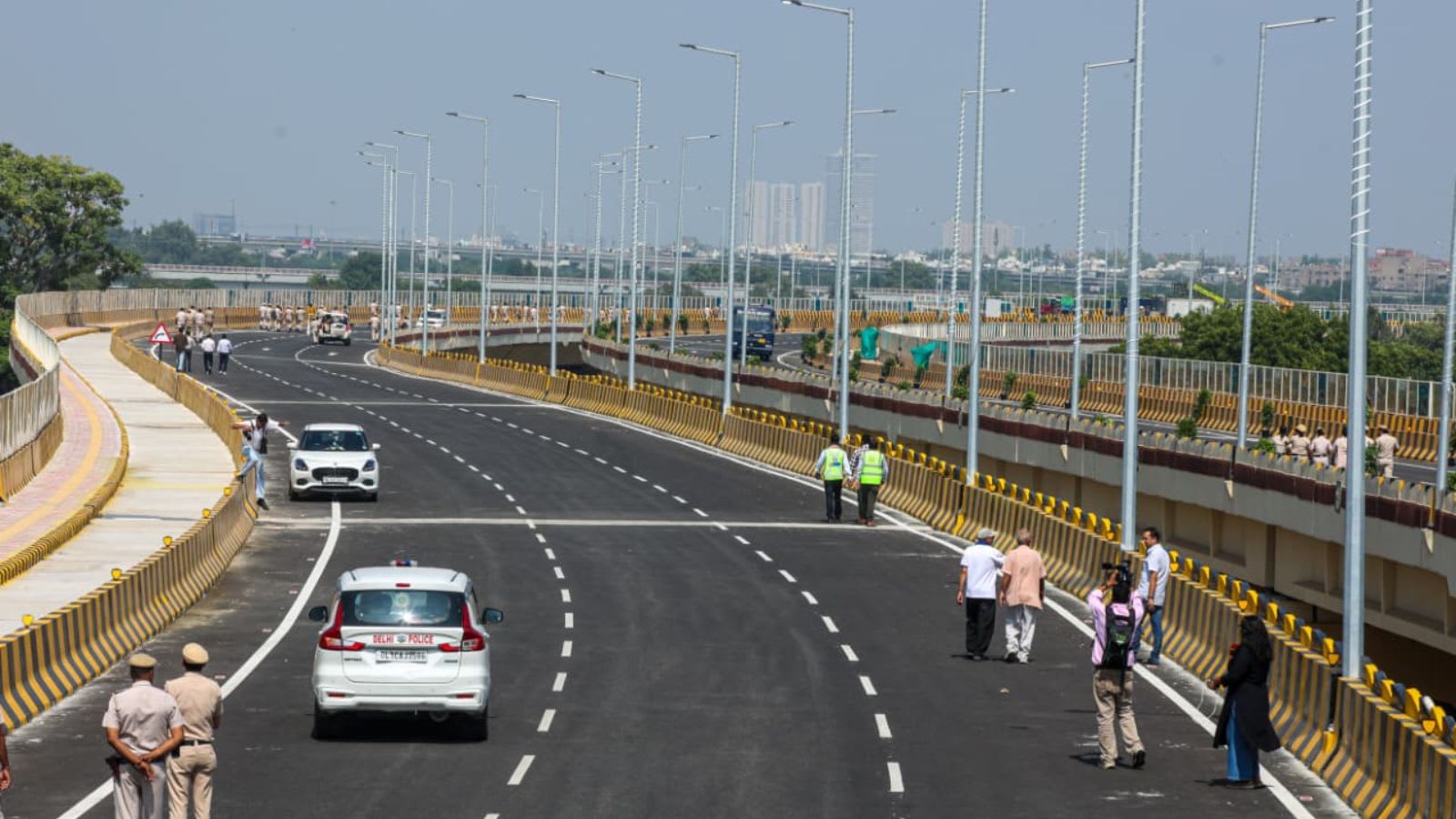
Union Home Minister Amit Shah has inaugurated the 9-km Barapullah Phase-3 elevated corridor, providing signal-free connectivity between Mayur Vihar and AIIMS. This project aims to significantly reduce travel times from East Delhi and Noida to South Delhi.
Enhancing Delhi's Urban Connectivity: The Barapullah Phase-3 Milestone
A Strategic Infrastructure Leap
The inauguration of the Barapullah Phase-3 elevated corridor by Union Home Minister Amit Shah marks a significant milestone in Delhi's urban infrastructure development. Spanning approximately 9 kilometers in total when integrated with existing segments, this project bridges the critical divide between East Delhi’s Mayur Vihar and the vital medical and commercial hub of AIIMS in South Delhi. By establishing a signal-free passage, the government aims to alleviate the chronic congestion that has long plagued commuters traversing the Yamuna.
Engineering Achievements and Design
A standout feature of this project is the sophisticated bridge structure engineered to traverse the Yamuna floodplain, a testament to modern civil engineering challenges in the capital. The corridor incorporates a 3.5-km, three-lane flyover, complemented by eight strategically placed loops—four at Sarai Kale Khan and four at Mayur Vihar—designed to optimize traffic flow and minimize bottlenecks. Furthermore, the project demonstrates a forward-thinking approach to urban planning by including dedicated cycle tracks and pedestrian infrastructure, catering to diverse modes of transit.
Impact on Commuter Efficiency
For the thousands of daily commuters traveling from Noida and East Delhi toward South Delhi, the operational status of Phase-3 is transformative. Government estimates suggest that the average travel time to AIIMS will plummet from the current 35–40 minutes down to just 15 minutes. This reduction is not merely a convenience but a vital improvement in productivity and quality of life for residents, effectively integrating the eastern suburbs with the city’s primary healthcare and administrative corridors.
Broader Urban Development Context
This project represents a portion of a larger, ₹1,951 crore investment in Delhi’s road network. Alongside the Barapullah expansion, the inauguration included the announcement of two additional flyovers and a new underpass at Mukarba Chowk. These initiatives signal a concerted effort by the administration to modernize Delhi's transport arteries, acknowledging that large-scale infrastructure requires a holistic approach to connectivity that extends beyond single-route improvements.
Challenges and Future Outlook
Despite the long-term benefits, the project’s journey has been marked by delays, having been under construction since 2015. The inauguration event itself caused temporary traffic disruptions on the Ring Road, highlighting the sensitivity of Delhi's infrastructure to construction and ceremonial activity. Looking ahead, the success of this corridor will likely serve as a blueprint for future east-west connectivity projects, emphasizing the necessity of signal-free transit paths to accommodate the capital’s ever-growing vehicular population.
Multiple Citing Sources