Exclusive: Bengaluru Minister Krishna Byre Gowda Lists Fixes For Potholes, Traffic Jams, Flooding
Source Entity
NDTV News Search Records Found 1000
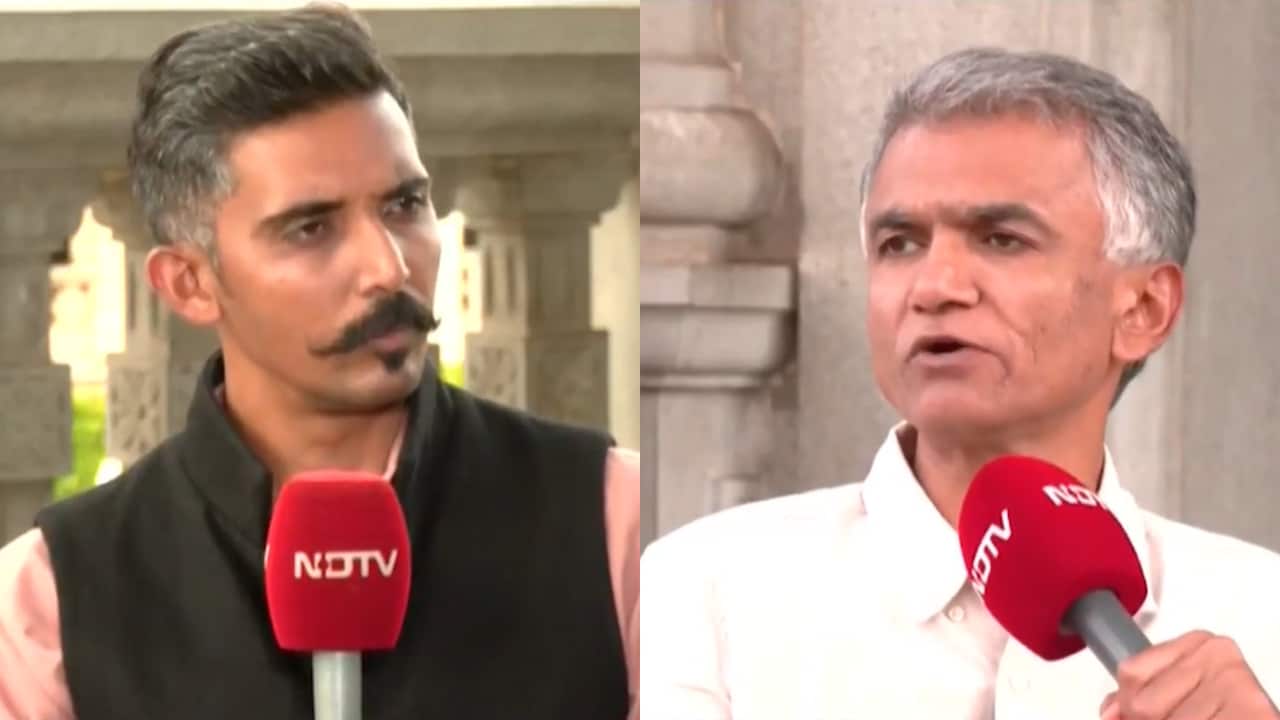
Bengaluru Development Minister Krishna Byre Gowda has outlined a dual-pronged strategy to address the city's infrastructure challenges. The approach prioritizes immediate fixes for potholes and traffic while simultaneously initiating long-term urban planning solutions.
Addressing Bengaluru’s Urban Infrastructure Crisis
Bengaluru, India’s rapidly expanding tech hub, faces a critical juncture regarding its urban infrastructure. The appointment of Krishna Byre Gowda as the Minister in charge of Bengaluru Development brings a renewed focus on the city's most pressing logistical failures. By acknowledging the need for both immediate remediation and long-term systemic change, the Minister is signaling a departure from reactive governance toward a more structured administrative framework.
The Immediate Challenge: Potholes and Traffic
The most visible symptoms of urban decay in Bengaluru are the persistent issues of pothole-riddled roads and chronic traffic congestion. These problems not only impede daily productivity but also pose significant safety risks to citizens. By prioritizing these 'basics,' the Minister is addressing the immediate quality-of-life concerns that have dominated public discourse in the city for years. Effective maintenance cycles and road engineering are the first steps in restoring public trust in municipal management.
Mitigating Environmental Risks: Flooding
Flooding remains a recurring nightmare for Bengaluru’s residents, often exacerbated by unplanned urban sprawl and the encroachment of storm-water drains. Krishna Byre Gowda’s commitment to tackling this issue suggests a move toward better hydrological management. Integrating flood mitigation into the broader development strategy is essential for the city’s resilience, especially as climate-driven extreme weather events become more frequent in urban Indian environments.
Bridging the Gap: Short-Term Fixes vs. Long-Term Vision
The duality of the Minister’s approach—balancing 'systematic change' with 'long-term solutions'—is a sophisticated acknowledgement of the city's complex developmental needs. While immediate repairs provide temporary relief, long-term urban planning requires investment in public transport infrastructure, sustainable zoning, and robust waste management systems. The success of this administration will depend on its ability to maintain these two tracks without allowing one to derail the other.
Broader Implications for Bengaluru’s Growth
As a global center for technology and innovation, Bengaluru’s economic stability is inextricably linked to its physical infrastructure. If the city fails to manage its growth through competent urban planning, it risks losing its competitive edge to other emerging Indian metros. The Minister's focus on these core issues is not just a public service initiative; it is a strategic economic imperative to ensure that Bengaluru remains an attractive destination for global investment and talent.
Conclusion and Future Outlook
The road ahead for Krishna Byre Gowda is undoubtedly challenging, given the scale of Bengaluru’s infrastructural deficit. However, by publicly committing to a dual-pronged methodology, the administration has set clear benchmarks for accountability. If the government can successfully transition from planning to execution, these systematic changes could serve as a model for other rapidly urbanizing cities across India, proving that sustainable development is possible even within the constraints of a sprawling megacity.
Verification Required?