Delhi Bans Bus Strikes For 6 Months, Commuters Get Relief
Source Entity
NDTV News Search Records Found 1000
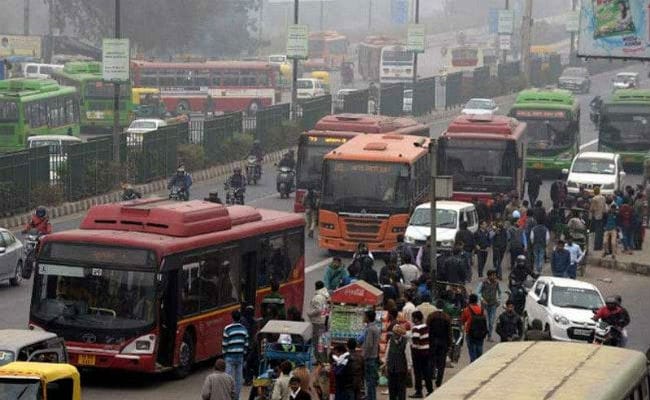
The Delhi government has implemented a six-month ban on bus strikes to prevent disruptions to public transport. This move follows a walkout by private agency drivers working for the DTC that began on September 16.
Delhi Implements Six-Month Ban on Bus Strikes
The Context of the September 16 Walkout
On September 16, the public transportation network in Delhi faced significant operational hurdles when drivers employed via private agencies for the Delhi Transport Corporation (DTC) initiated a sudden strike. This industrial action effectively halted services for thousands of commuters who rely on the city’s bus fleet for their daily mobility. The reliance on contract-based labor within the state-run transport system has long been a point of contention, and the sudden cessation of work underscored the fragility of Delhi's transit infrastructure.
Government Intervention and Service Stability
In response to the disruption, the Delhi government has enacted a stringent policy banning bus strikes for a period of six months. By invoking legal provisions to prohibit these work stoppages, the administration aims to ensure that public transit remains uninterrupted during this timeframe. This decision reflects the government's priority to maintain the city's logistical flow, viewing the bus network as an essential service that cannot be subjected to sudden, unannounced labor disputes that paralyze the capital.
Broader Implications for Public Transport
This ban highlights the ongoing struggle to balance labor rights with the public’s right to reliable transportation. The use of private agencies for staffing DTC buses is a cost-cutting measure, yet it creates a tiered workforce where contractual employees may feel less protected than their permanent counterparts. The government's decision to ban strikes serves as a temporary stopgap but raises questions about how the city will address the underlying grievances of the workforce without resorting to restrictive legal measures.
Historical Context of Transit Disputes
Historically, Delhi's public transport system has frequently faced challenges regarding labor unrest. Strikes by DTC personnel have historically resulted in massive traffic congestion and forced commuters to seek expensive alternatives. By taking a proactive stance with this six-month ban, the government is attempting to move away from reactive crisis management and toward a model of guaranteed service availability, regardless of internal labor negotiations.
Future Trends and Policy Outlook
Moving forward, the success of this policy will depend on whether the government uses the six-month window to engage in meaningful dialogue with the private agency drivers. If the underlying issues regarding wages, job security, or working conditions remain unaddressed, the risk of further unrest once the ban expires remains high. The administration must now navigate the delicate task of maintaining public order while ensuring that the workforce powering the city’s transit system feels sufficiently supported to continue their duties without interruption.
Verification Required?