Delhi High Court forms panel headed by ex-CJI Sanjiv Khanna to assess claims of Greenopolis homebuyers
Source Entity
Sohini Ghosh
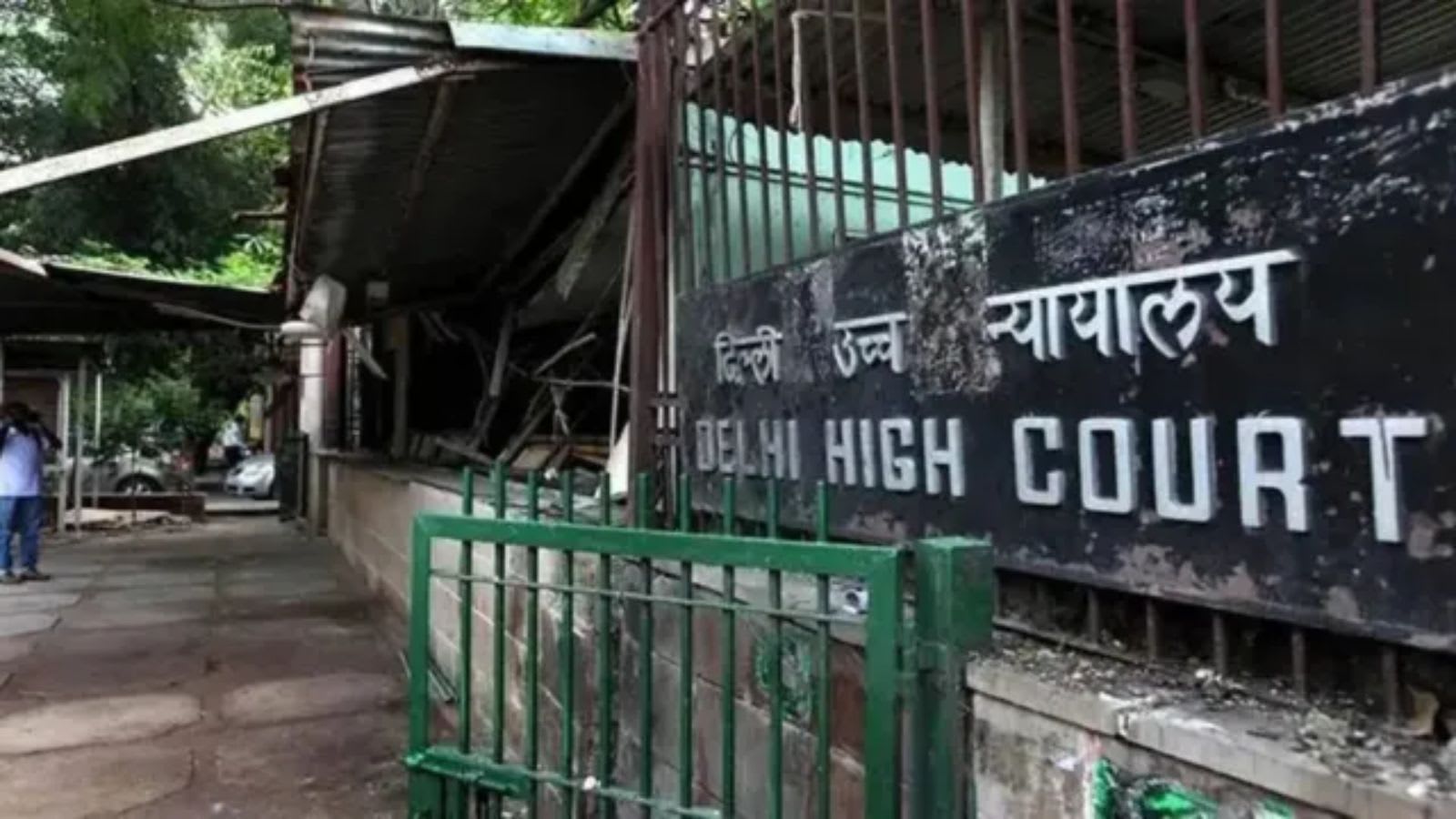
The Delhi High Court has appointed a committee led by former CJI Sanjiv Khanna to resolve claims for 1,650 homebuyers in the stalled Greenopolis project. This panel will verify claims and address demands for unit delivery or refunds from developers 3C Shelters and Orris.
Judicial Intervention in the Greenopolis Crisis
The Delhi High Court has taken a decisive step in addressing the long-standing grievances of 1,650 homebuyers associated with the stalled Greenopolis residential project. By appointing a three-member monitoring committee headed by former Chief Justice of India (CJI) Sanjiv Khanna, the court seeks to bring transparency and resolution to a dispute that has left thousands of families in a state of financial and emotional limbo. The inclusion of retired higher judicial officers HS Sharma and Ajay Kuhar alongside Justice Khanna underscores the gravity of the legal process required to untangle the complex web of real estate litigation.
The Financial Scale of the Dispute
At the heart of this legal battle are significant financial stakes. Homebuyers have collectively invested approximately Rs 776.60 crores into 3C Shelters and Rs 383.06 crores into Orris. These substantial investments, representing the life savings of many, remain locked in a project that has failed to deliver promised units. The sheer volume of capital involved highlights the systemic failure of the project timeline and the urgent need for a judicial mechanism to audit the financial health of the developers involved.
Objectives of the Monitoring Committee
Justice Anup Bhambhani, in disposing of the batch of pleas, has mandated the committee to perform a rigorous verification process. The primary objective is to identify genuine homebuyers and adjudicate their specific claims. This is a critical procedural hurdle, as the committee must distinguish between legitimate investors and potential fraudulent claimants before any equitable distribution or resolution can be proposed. The committee’s findings will serve as the foundation for future court orders regarding the viability of the project.
Balancing Competing Interests: Units vs. Refunds
The homebuyers are presenting the court with two primary avenues for redressal: either the completion and handover of their booked units, complete with delay penalties, or a full refund of their principal investment coupled with interest. This binary choice reflects the frustration of investors who have faced years of uncertainty. The committee will likely have to evaluate whether the developers possess the liquidity or structural capacity to finish the construction or if liquidation of assets is the only path forward to ensure partial or full restitution for the buyers.
Broader Implications for Real Estate Regulation
This intervention by the Delhi High Court serves as a stark reminder of the ongoing challenges within the Indian real estate sector, particularly regarding stalled projects. While the Real Estate (Regulation and Development) Act (RERA) was designed to protect consumer interests, cases like Greenopolis demonstrate that judicial oversight remains a vital safeguard when regulatory mechanisms are overwhelmed. The outcome of this committee’s work could set a significant precedent for how high-value, multi-developer projects are liquidated or revived in the interest of the common citizen.
Conclusion and Future Outlook
The formation of this expert committee marks a pivotal shift toward a structured resolution for the Greenopolis project. By leveraging the expertise of former judicial luminaries, the Delhi High Court is signaling that the era of indefinite delays without accountability must come to an end. While the process of auditing claims will be arduous, it provides the first clear roadmap for 1,650 families to either reclaim their homes or their capital, ultimately restoring a measure of faith in the judicial recourse available to distressed real estate investors.