Wedding photography drones near Bareilly Air Force station raise safety concerns
Source Entity
Latest News: Todays Latest News Headlines from India & World | Hindustan Times | Hindustan Times
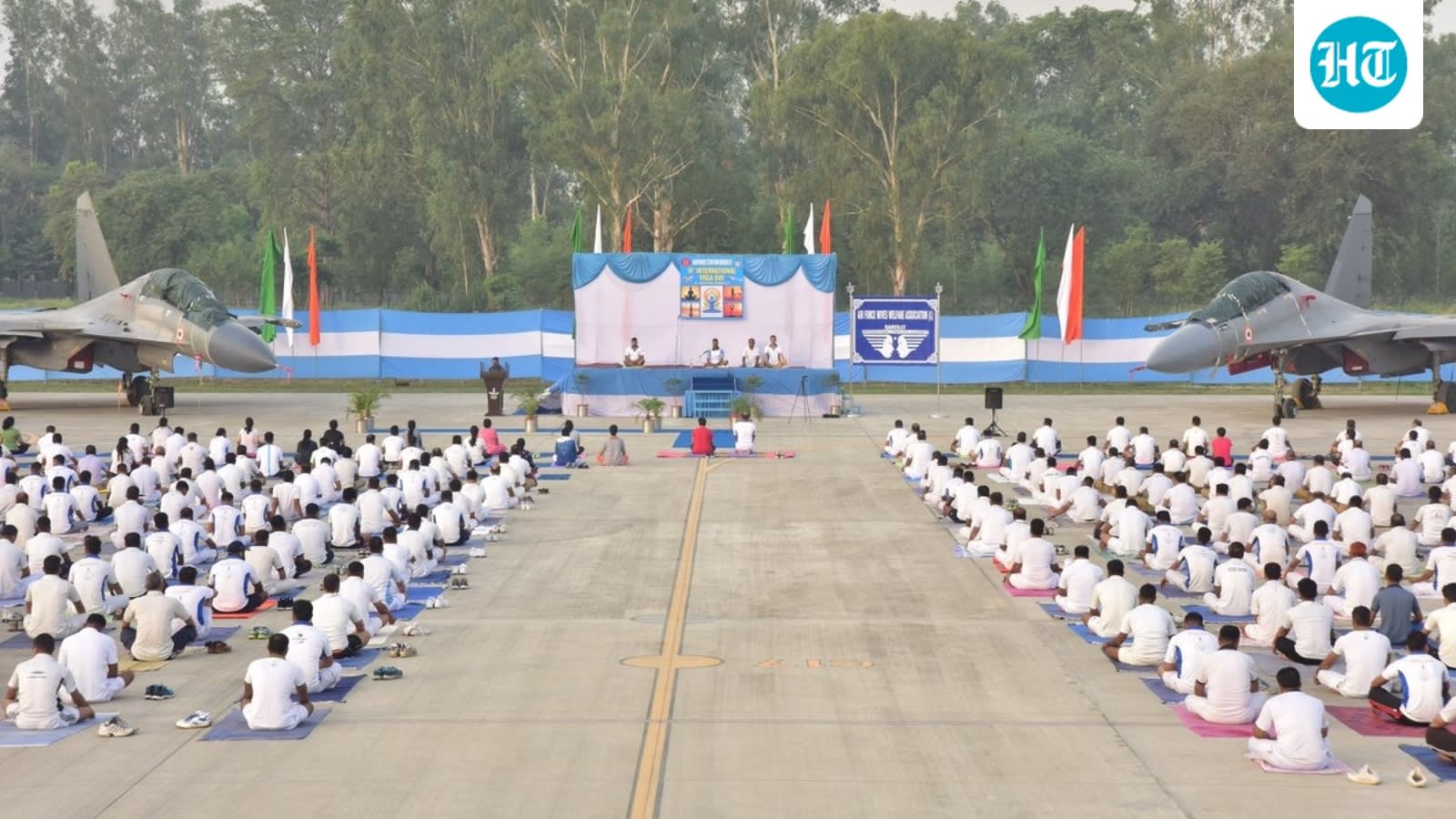
Bareilly authorities have initiated strict monitoring of wedding photography drones near the local Air Force station due to severe flight safety concerns. This measure follows warnings from Air Force officials regarding unauthorized aerial activity and other hazards threatening aircraft operations.
Aerial Security Concerns in Bareilly
The recent directive by the Bareilly administration to strictly monitor and regulate the use of drones near the local Air Force station marks a critical shift in how local authorities handle airspace security. While consumer-grade drones have become a staple for wedding and event photography in India, their proximity to restricted military zones presents a significant risk to aviation safety. By formalizing these preventive measures through the Environmental Management Committee, the administration is prioritizing the sanctity of military flight paths over the convenience of private festivities.
The Mechanics of Flight Safety Risks
Air Force officials have identified a trifecta of threats to flight safety: bird activity, unauthorized construction, and, most pressingly, the proliferation of drones. For a high-performance aircraft, even a small drone can cause catastrophic damage if ingested into an engine or if it strikes the fuselage during landing or takeoff. The unpredictable nature of hobbyist pilots—who often lack the training to understand restricted flight zones—exacerbates these risks, turning celebratory photography into a potential aviation hazard.
Institutional Coordination and Oversight
The meeting held at the divisional commissioner's office highlights the necessity of inter-agency cooperation. By bringing together civil administration and Air Force representatives, the committee ensures that the responsibility for airspace safety is shared. This collaborative approach is essential for identifying 'no-fly zones' and effectively communicating these restrictions to the public, particularly in urban areas like Bareilly where residential expansion often encroaches upon military infrastructure.
Broader Implications for Drone Regulation
This event reflects a growing trend across India where the rapid commercialization of drone technology is outpacing existing regulatory enforcement. While the Directorate General of Civil Aviation (DGCA) has established a digital sky platform, the localized enforcement of these rules remains a challenge. The Bareilly incident serves as a bellwether for other districts with sensitive military installations, suggesting that local administrations will increasingly need to adopt stringent, proactive surveillance policies to prevent accidents.
Historical Context and Future Trends
Historically, military airbases have dealt with environmental hazards like bird strikes, but the rise of the 'drone era' adds a new layer of complexity to base security. As drone technology becomes cheaper and more accessible, the potential for inadvertent interference with military operations will likely increase. Moving forward, we can expect a more rigid enforcement of drone registrations and stricter penalties for unauthorized flight in proximity to airfields, as national security and public safety remain paramount.
Conclusion
The proactive stance taken by the Bareilly administration is a necessary evolution in local governance. By addressing the risks posed by wedding photography drones, the authorities are not merely curbing a nuisance but are actively protecting the operational integrity of the Air Force. This balance between civilian activities and military security will continue to be a defining challenge for rapidly developing regions near defense establishments.
Verification Required?