'Quickest way to erode goodwill': J&K CM reacts to viral 'we are Gen Z' video
Source Entity
VIVEK DUBEY
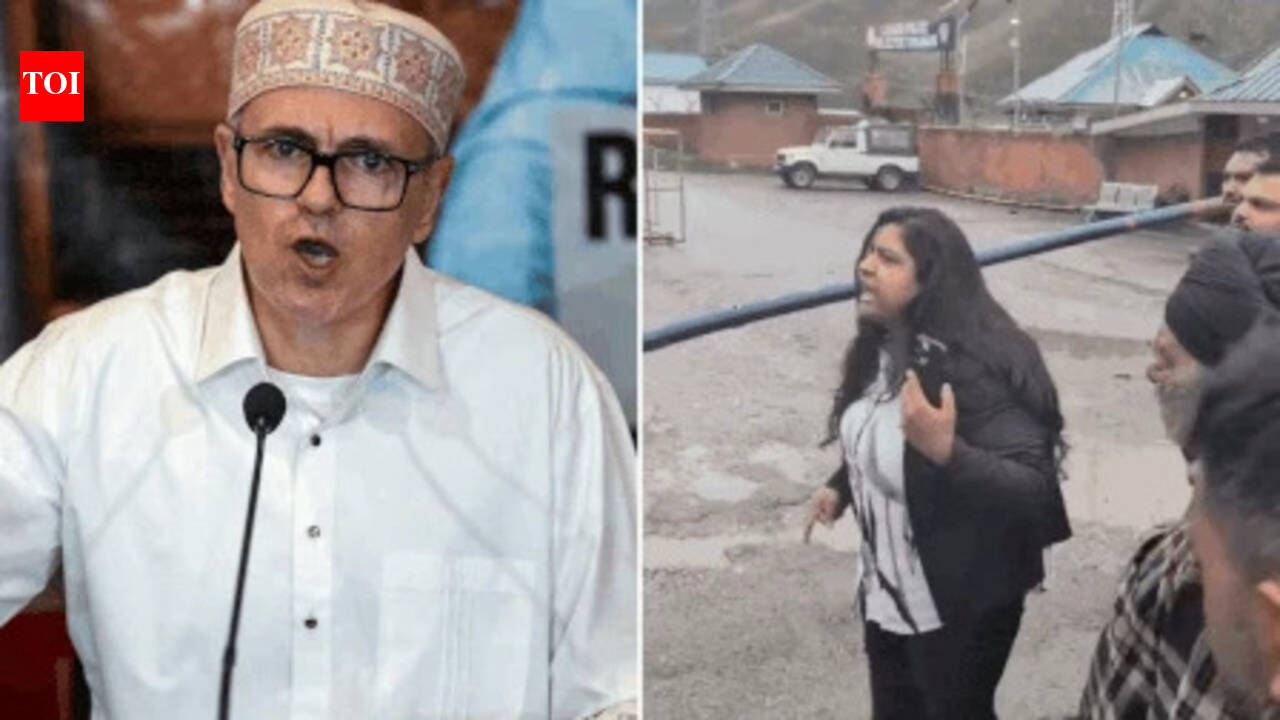
J&K CM Omar Abdullah criticized a viral video showing a tourist using her 'Gen Z' identity to confront security personnel in Kargil. He warned that such entitlement mirrors the notorious 'do you know who my father is' trope, potentially damaging the generation's reputation.
The 'Gen Z' Entitlement Debate: A Viral Confrontation
The Incident at Kargil
A recent viral video originating from a security checkpoint in Kargil has ignited a significant public discourse regarding social conduct and generational branding. The footage captures a woman tourist engaged in a heated argument with security personnel, explicitly invoking her identity as a member of 'Gen Z' to voice her refusal to comply with established protocols. This confrontation, while localized in nature, has transcended its immediate setting to become a focal point for broader discussions on accountability and social decorum in sensitive regions like Jammu and Kashmir.
Omar Abdullah’s Critique
Jammu and Kashmir Chief Minister Omar Abdullah took to the social media platform X to offer a sharp critique of the behavior displayed in the clip. By framing the woman's declaration—"We are Gen-Z and we won't tolerate this nonsense"—as a modern iteration of the classic Indian expression of entitlement, "jaantay nahin ho mera baap kaun hai" (do you know who my father is?), Abdullah highlighted a growing trend of individuals utilizing group identities as shields to bypass authority or social expectations.
Deconstructing Generational Branding
The core of the controversy lies in the weaponization of generational labels. Abdullah’s analysis suggests that the term 'Gen Z' is being misappropriated as a tool for asserting influence or demanding preferential treatment. By positioning this behavior as a threat to the goodwill of the youth demographic, the Chief Minister points to a sociological shift where identity politics begins to intersect with personal conduct, potentially alienating the public and undermining the credibility of the very generation the individual seeks to represent.
The Impact on Tourist-Local Relations
In the context of Kargil, a region characterized by its strategic sensitivity and unique cultural landscape, the behavior of tourists carries significant weight. The friction between visitors and local security personnel is a delicate issue; when such interactions are captured and amplified on social media, they risk fostering resentment and undermining the hospitality-based economy. The incident serves as a cautionary tale for travelers regarding the necessity of respecting local authority and regional regulations.
Future Implications for Social Conduct
This viral moment serves as a litmus test for how society perceives the intersection of digital-age entitlement and traditional authority. As public figures like Omar Abdullah weigh in, it signals a move toward holding individuals accountable for their behavior in public spaces. Moving forward, it is likely that the scrutiny surrounding 'entitlement culture' will intensify, forcing a re-evaluation of how generational identities are expressed in public discourse and whether they can ever be used as legitimate leverage in interpersonal conflicts.
Conclusion
Ultimately, the 'Gen Z' Kargil incident is more than a mere social media spectacle; it is a reflection of evolving societal norms and the friction caused by the clash of individual ego against established public order. By calling out the erosion of goodwill, Omar Abdullah has redirected the conversation toward the importance of humility and cooperation, reminding citizens that identity—whether generational or otherwise—does not grant immunity from the rules that govern collective safety and respect.