Why India needs a trusted care system for seniors living alone
Source Entity
Latest News: Todays Latest News Headlines from India & World | Hindustan Times | Hindustan Times
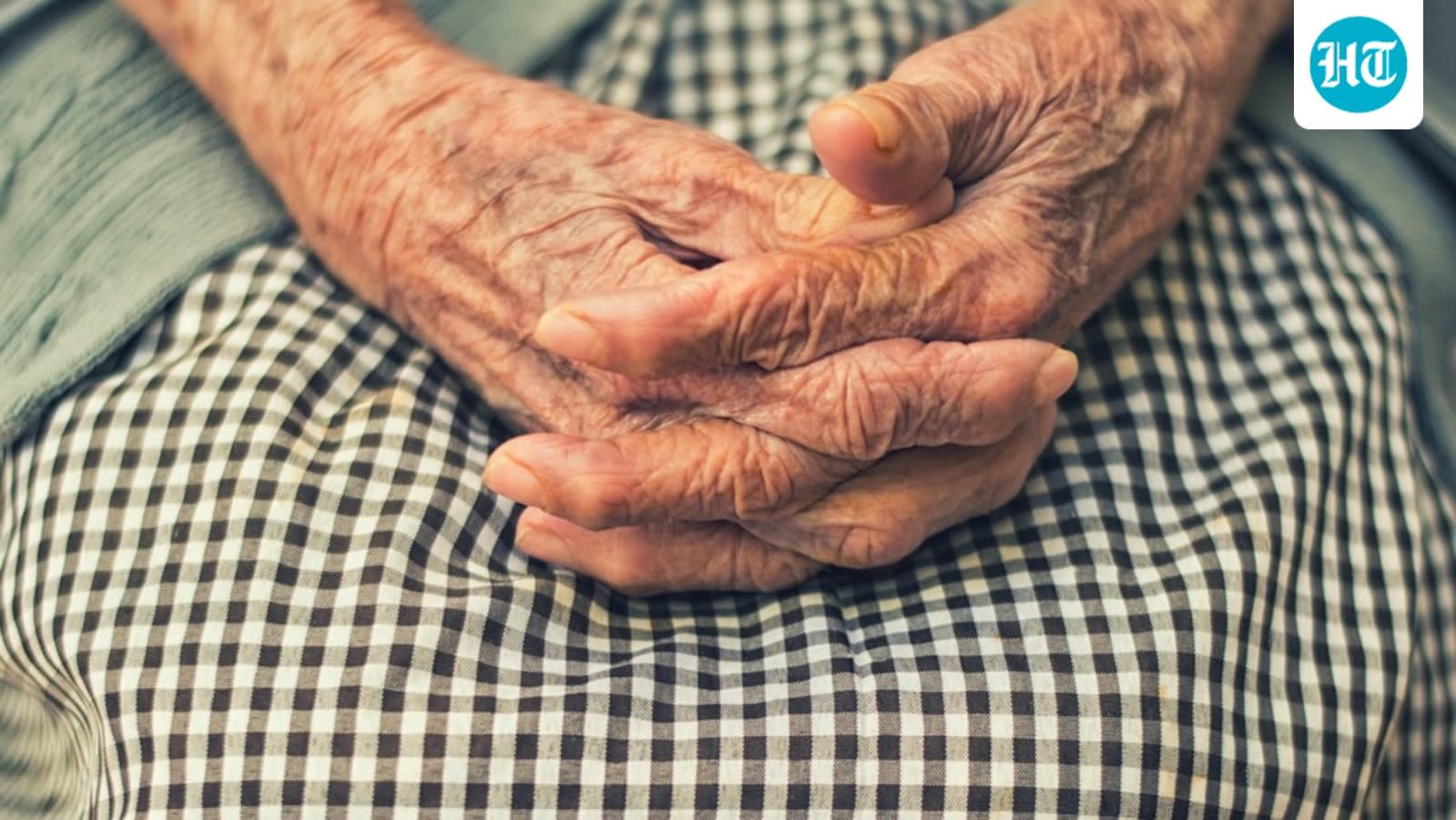
India faces a burgeoning elder care crisis as the elderly population is projected to reach 347 million by 2050. With 20% of seniors living alone, there is an urgent need for institutionalized care systems to bridge the gap between digital connectivity and physical safety.
The Silent Crisis: India’s Growing Elder Care Imperative
As India undergoes a profound demographic shift, the traditional family-centric model of care is facing unprecedented strain. The current reality, as highlighted by Prashanth Reddy of Anvayaa Kin Care, depicts a disconnect between emotional presence and physical necessity. Millions of elderly parents now navigate their daily lives in isolation, relying on sporadic video calls from children situated in distant time zones. This digital bridge, while maintaining social bonds, fails to provide the critical, immediate response required during physical emergencies like falls or sudden health crises.
Demographic Projections and the Shift to Solitude
The scale of this challenge is quantified by staggering projections: India’s elderly population is expected to balloon from the current 149 million to 347 million by 2050. This surge means that nearly one in five Indians will be a senior citizen within three decades. Parallel to this numerical growth is the changing nature of household structures. Data indicates that approximately 20% of India's elderly—roughly 30 million individuals—now live either entirely alone or with another senior, lacking the support of younger generations.
The Urbanization Factor
Urban centers are at the epicenter of this shift, with the proportion of seniors living in isolation reaching 22% in major cities. This trend is inextricably linked to the rapid acceleration of migration and the rise of nuclear family structures. As economic opportunities pull the youth toward metropolitan hubs or overseas, the traditional safety net of the multi-generational household has eroded. This demographic pivot is not merely a social observation but a structural transformation of the Indian family unit that requires a policy-driven response.
Bridging the Gap: Beyond Digital Connectivity
The reliance on telecommunications is a temporary salve, not a solution for physical care. When a health scare occurs, the 'gap' between being present in a conversation and being present in the room becomes a life-altering factor. The narrative emphasizes that while technology facilitates communication, it cannot replace the physical, hands-on care necessitated by the physiological realities of aging. This necessitates a shift toward professional, trusted care systems that can provide on-the-ground support.
Future Trends and Societal Implications
Looking forward, the integration of professional elder care services into the mainstream Indian economy is inevitable. As the elderly population approaches the 347 million mark, the market for 'kin care' and assisted living will likely expand significantly. Policymakers and private sector entities must collaborate to build a robust infrastructure that ensures dignity, medical oversight, and emergency response for those living in solitude. The future of Indian societal stability will depend on how effectively the nation transitions from relying on absent family members to implementing reliable, institutionalized care systems.
Verification Required?