The backstory: How battle in Egypt's desert turned the tide of World War II
Source Entity
TRISHA MAHAJAN
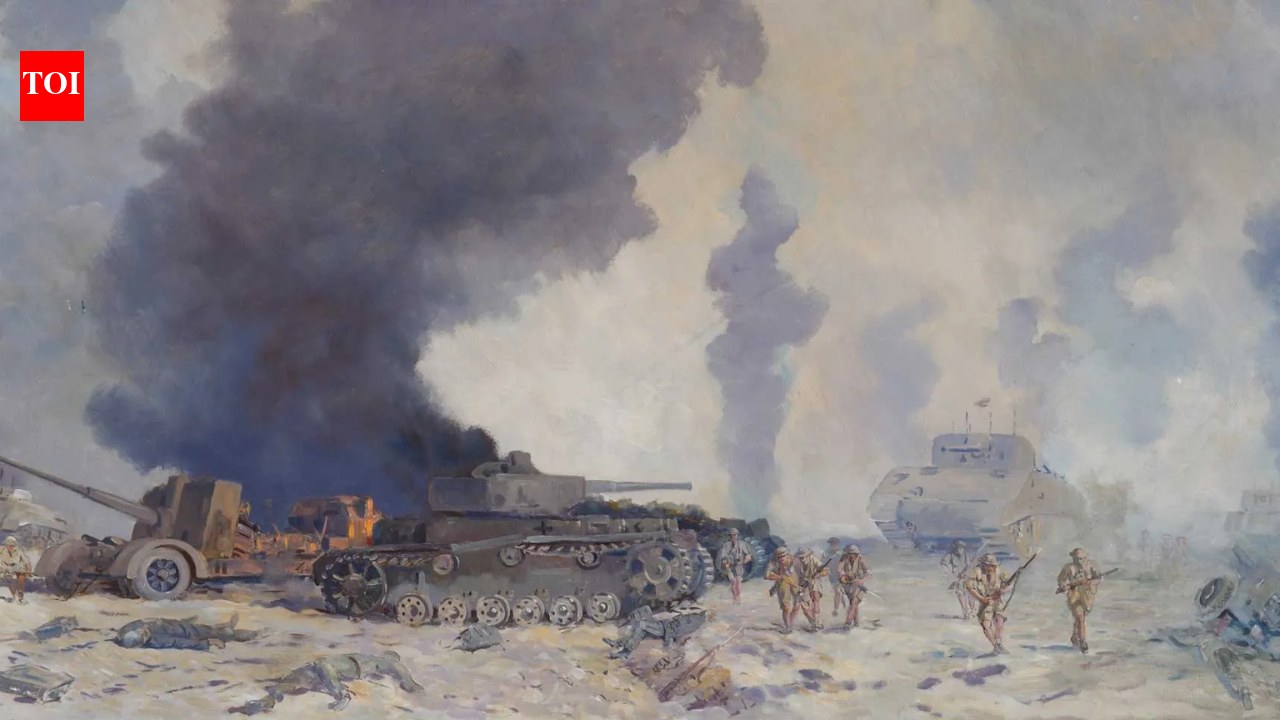
The Second Battle of El Alamein in 1942 marked a pivotal turning point for Allied forces in North Africa. Winston Churchill famously characterized this victory as the 'end of the beginning' of World War II.
The Strategic Significance of El Alamein
The Second Battle of El Alamein, which commenced on October 23, 1942, stands as one of the most consequential engagements of the Second World War. By the autumn of 1942, the Axis powers, led by General Erwin Rommel’s Afrika Korps, posed a significant threat to the British Empire’s control of the Suez Canal. Controlling this vital waterway was essential for the Allies to maintain supply lines to India and the Far East, making the North African theater a critical strategic bottleneck for global dominance.
The Turning Point in the Desert
The conflict in the Egyptian desert was characterized by grueling conditions and intense mechanical warfare. The British Eighth Army, commanded by Lieutenant-General Bernard Montgomery, launched a massive offensive against Axis positions. This engagement was not merely a territorial dispute but a battle of attrition that tested the logistical endurance and technological capabilities of both sides. The image of British infantry advancing under fire remains an iconic representation of the grit required to dismantle the Axis defensive lines.
Churchill’s Historic Assessment
Following the decisive Allied victory, Prime Minister Winston Churchill delivered a landmark speech on November 10, 1942. His famous declaration—"This is not the end. It is not even the beginning of the end. But it is perhaps the end of the beginning"—served to temper public expectation while acknowledging a fundamental shift in momentum. It signaled that the initiative had passed from the Axis powers to the Allies, marking the start of a long but ultimately successful campaign to liberate occupied territories.
Tactical Implications and Military Success
The success at El Alamein was driven by superior intelligence, better supply chains, and the strategic deployment of armor and infantry. The capture of German tank crewmen by British infantry highlighted the breakdown of the Axis offensive capability. By forcing a retreat, the Allies effectively ended the threat to Egypt and cleared the path for the subsequent Operation Torch in North Africa, which further squeezed Axis forces between converging Allied fronts.
Historical Legacy and Conclusion
Reflecting on the events of October 1942, historians view El Alamein as the moment the "Desert War" transitioned from a series of stalemates into a definitive Allied momentum. The victory provided a much-needed psychological and strategic boost to the British public and the Allied cause at a time when the war’s outcome remained uncertain. Today, the battle serves as a study in the importance of logistical superiority and the capacity for a military force to recover from defensive positions to seize a lasting strategic advantage.