Low-pressure area likely to form over Bay of Bengal, ease rain deficit in State
Source Entity
India Latest News: Top National Headlines Today & Breaking News | The Hindu
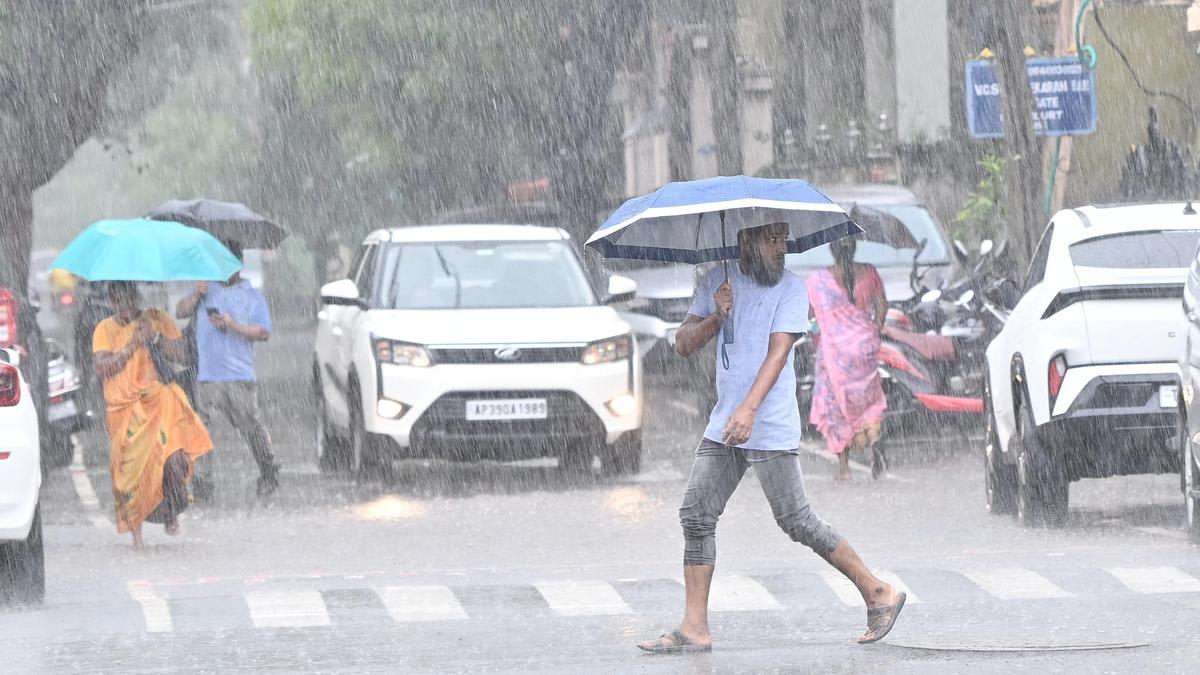
The India Meteorological Department expects a low-pressure area to form over the Bay of Bengal, potentially intensifying into a depression by November 15. This system offers hope for alleviating rainfall deficits in several Tamil Nadu districts during the critical Northeast monsoon season.
Meteorological Outlook: Bay of Bengal Low-Pressure System
Recent reports from the Regional Meteorological Centre and the India Meteorological Department (IMD) indicate the development of a significant weather system in the Bay of Bengal. An upper air cyclonic circulation currently stationed over the South Andaman Sea is projected to evolve into a low-pressure area by approximately November 13. Meteorological models suggest this system will further intensify into a well-marked low-pressure area by November 14, culminating in a depression by November 15.
Addressing the Northeast Monsoon Deficit
The timing of this weather system is critical for Tamil Nadu, a state currently grappling with a notable rainfall deficit in several key districts, including Cuddalore, Mayiladuthurai, Thanjavur, Chengalpattu, and Tiruvarur. November serves as the climatological peak for rainfall in this region, particularly for coastal hubs like Chennai, Nagapattinam, and Tiruchi. The anticipated depression is viewed as a vital mechanism to replenish water sources and rectify the precipitation shortfall that has persisted throughout the early phase of the Northeast monsoon.
Regional Impact and Rainfall Shifts
While the IMD has not yet issued formal rainfall alerts for the state, the Regional Meteorological Centre has forecasted moderate rainfall for southern districts leading up to November 15. The trajectory of this weather pattern suggests a shift in precipitation coverage toward northern Tamil Nadu in the following week. This shifting focus is essential for the agricultural and hydrological health of northern districts that rely heavily on the Northeast monsoon for their annual water budget.
Navigating Weather Uncertainty
Amidst circulating rumors regarding the potential formation of a cyclonic storm, the IMD has adopted a cautious, data-driven stance. Weather experts emphasize that the system is currently in its nascent stages and requires continuous observation. The department has explicitly stated that it is too early to confirm the development of a full-scale cyclonic storm, urging the public to rely on verified bulletins rather than speculative reports.
Broader Implications and Future Trends
The development of this system underscores the volatility of the Northeast monsoon, which is highly dependent on convective activity in the Bay of Bengal. If the depression follows expected patterns, it could provide the necessary atmospheric moisture to stabilize regional water levels. As climate patterns continue to influence monsoon predictability, the role of real-time monitoring by the IMD remains the primary defense in disaster preparedness and agricultural planning for the state. Stakeholders are advised to monitor official channels as the depression matures over the coming days.
Verification Required?