Bengaluru elderly couple die by suicide amid health, financial strain
Source Entity
Atiya Firdos
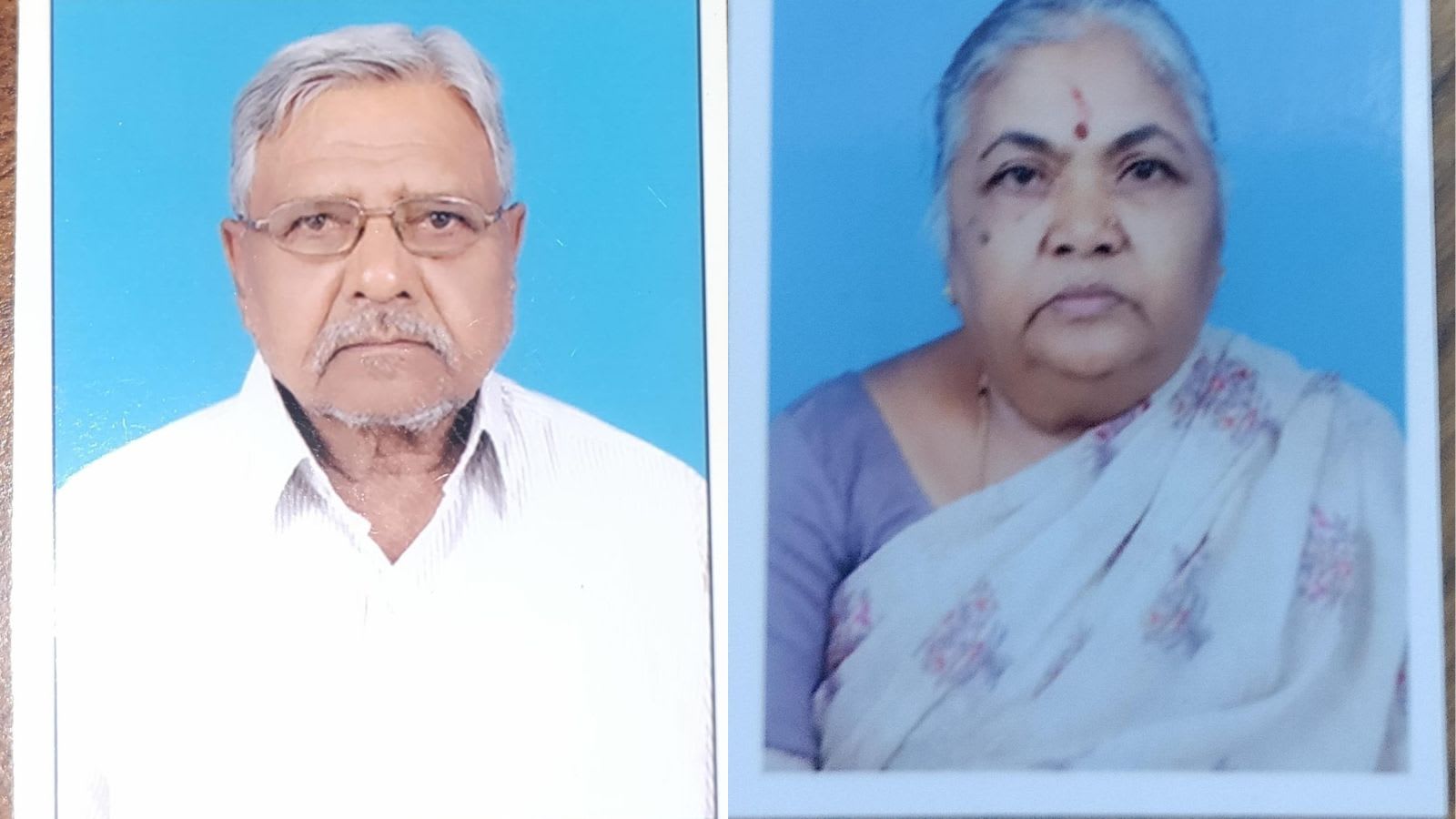
An elderly couple in Bengaluru, Eshwarachar and Gowri, died by suicide due to mounting medical and financial pressures. Local police have registered a case of unnatural death as investigations into the tragic incident continue.
A Tragic End: Examining the Bengaluru Elderly Suicide Case
The recent tragedy in Manjunath Nagar, Bengaluru, where 73-year-old Eshwarachar and his 66-year-old wife Gowri were found dead by suicide, has sent shockwaves through the community. According to reports from the Basaveshwaranagar police, the couple took their own lives on Wednesday night. This incident serves as a harrowing reminder of the silent crisis of geriatric distress often hidden behind closed doors, particularly when compounded by physical ailment and economic instability.
The Intersection of Health and Financial Ruin
Investigations suggest that the primary drivers behind this incident were prolonged illness and the overwhelming financial burden of medical treatment. Gowri had been suffering from multiple chronic conditions, including hypertension, diabetes, asthma, and a debilitating hip dislocation that left her bedridden for a significant period. In the Indian context, where out-of-pocket medical expenses often constitute a massive portion of household income, the cost of managing long-term care can lead to severe psychological and financial exhaustion for elderly caregivers.
The Vulnerability of the Elderly in Urban Settings
Bengaluru, often celebrated as a hub of innovation, faces a stark reality regarding the support systems available for its aging population. The couple’s situation highlights the isolation that can occur even in densely populated urban neighborhoods like Manjunath Nagar. Despite the couple having two married children, the incident occurred when no one else was present, underscoring the precarious nature of elderly autonomy when family support structures become strained or insufficient to meet complex medical needs.
Societal Implications and Institutional Gaps
This case raises critical questions about the accessibility of geriatric mental health support and the lack of social safety nets for those facing terminal or chronic decline. When health conditions require constant care, the primary caregivers—often the spouses themselves—are pushed to their breaking point. The police registration of an 'unnatural death' case is a procedural necessity, but the underlying narrative points to a broader societal failure to provide adequate palliative and emotional support to the elderly.
A Call for Enhanced Geriatric Care
Moving forward, there is an urgent need for community-level intervention strategies that identify high-risk elderly households. If caregivers are not supported through respite care, financial assistance, or counseling, the potential for such tragedies remains high. As India’s demographic profile shifts toward an aging population, integrating robust social welfare programs with affordable healthcare is essential to ensure that the elderly do not view suicide as the only alternative to their suffering.
Conclusion
The deaths of Eshwarachar and Gowri are not merely a local police matter; they are a symptom of a larger, systemic struggle. By acknowledging the intersection of physical health, financial strain, and social isolation, society can begin to foster a more compassionate environment. Addressing these vulnerabilities is the only way to prevent further loss and honor the dignity of those who have spent their lives building our communities.