Building Pune | New road to ease traffic flow in Mundhwa-Magarpatta area
Source Entity
Ajay Jadhav
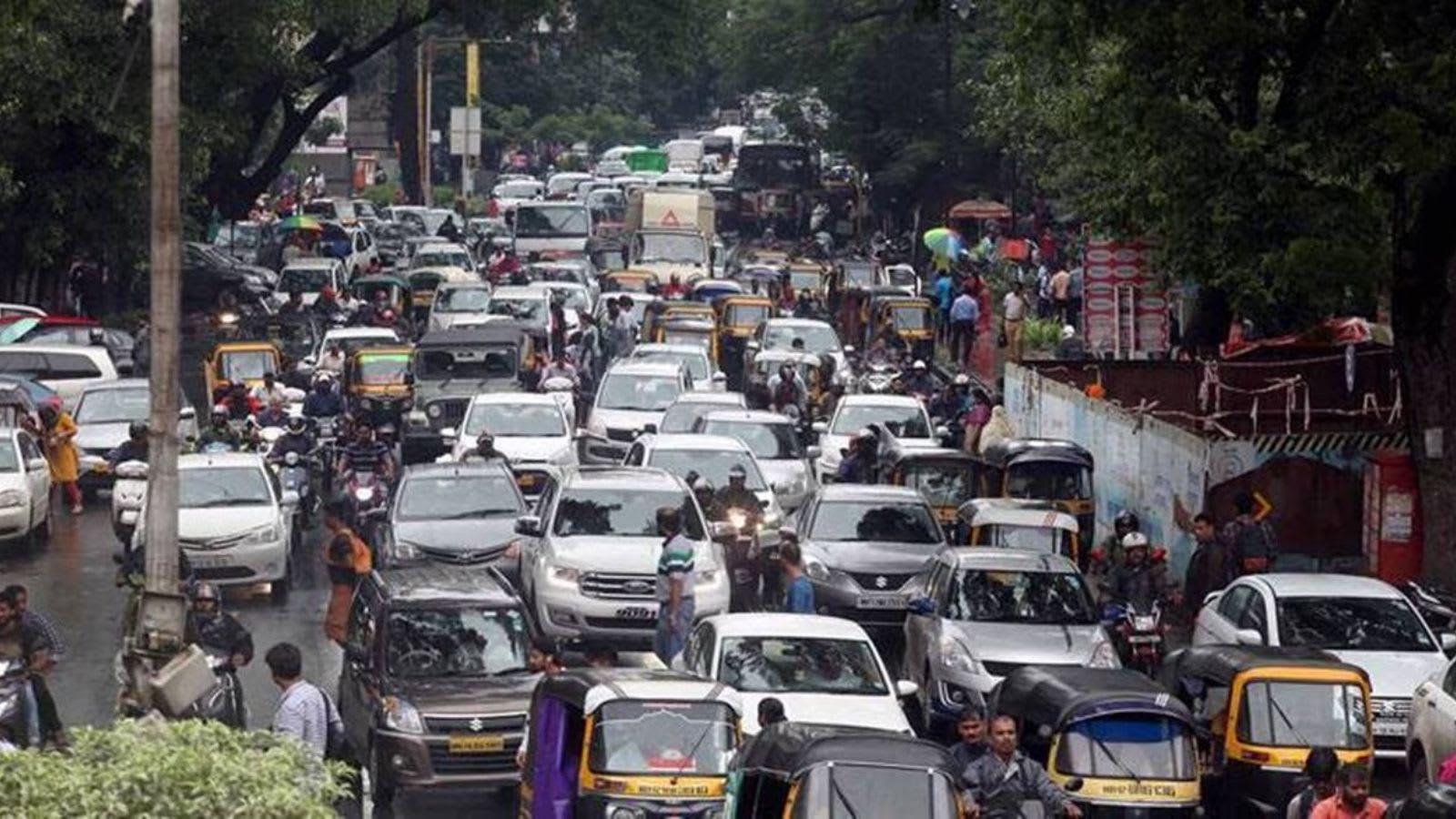
Authorities in Delhi and Pune are launching new infrastructure projects to mitigate severe traffic congestion. These initiatives include elevated flyovers in the capital and a new road network in Pune's growing residential hubs.
Infrastructure Expansion: Delhi and Pune Address Urban Mobility Challenges
Strategic Relief for Delhi Commuters
Urban congestion remains a primary concern for the National Capital, prompting the Public Works Department (PWD) to initiate plans for two significant elevated flyovers. By targeting the stretch from Britannia Chowk to the Outer Ring Road via ShakurBasti Railway Station, and the corridor over the Karawal Nagar drain from Ankur Enclave to Gokulpuri Metro station, the PWD aims to address long-standing complaints from residents and the traffic police. Each of these proposed 5-km-long corridors is designed to create a more seamless transit experience, effectively linking the West, North West, North-East, and Central sectors of Delhi.
Addressing Connectivity and Bottlenecks
The decision to construct these flyovers is a direct response to the daily gridlock that plagues these critical arterial routes. For commuters, the current situation involves spending excessive hours in traffic, which impacts both productivity and quality of life. By elevating the flow of traffic, these projects are expected to bypass traditional bottlenecks, facilitating better movement of vehicles and reducing the idling time that contributes to local air pollution levels. This systematic approach highlights the government's focus on decongestion as a pillar of city planning.
Pune's Infrastructure Pivot: The Mundhwa-Magarpatta Corridor
Simultaneously, the Pune Municipal Corporation (PMC) is tackling localized traffic saturation in the rapidly developing Mundhwa-Magarpatta area. By commissioning a 1,150-metre-long and 24-metre-wide road connecting Keshavnagar bridge to Mundhwa, the city aims to alleviate the pressure on existing intersections, specifically Mahatma Phule Chowk, Shivaji Chowk, and the Magarpatta area. This Rs 93 crore project, executed under a public-private partnership, represents a proactive step to integrate infrastructure with the city’s broader development plan.
Collaborative Governance and Urban Planning
The initiatives in Pune underscore the role of elected representatives in identifying critical infrastructure gaps. Hadapsar MLA Chetan Tupe’s intervention, which advocated for the Keshavnagar bridge-to-Mundhwa road and a secondary route near Hadapsar railway station, demonstrates how local advocacy influences urban development. By formalizing these roads within the city's development plan, the PMC is ensuring that future growth is supported by a robust and redundant road network.
Broader Implications and Future Trends
These projects signal a growing trend in Indian urban centers: a shift toward multi-modal and elevated connectivity to manage the demands of increasing vehicular density. Both Delhi and Pune are prioritizing alternative routes and elevated corridors to bypass legacy infrastructure bottlenecks. As these cities continue to expand, the reliance on such targeted, high-impact projects will likely increase. The long-term success of these developments will depend on the efficiency of project execution and the ability of these new corridors to handle the projected growth in private and commercial vehicle volumes over the coming decade.
Conclusion
In summary, the infrastructure developments in Delhi and Pune reflect a coordinated effort to modernize urban mobility. By addressing specific choke points through flyovers and alternative road networks, both administrations are attempting to reconcile the challenges of rapid urbanization with the necessity of efficient public transit. These projects not only promise immediate relief for current residents but also establish a framework for sustainable growth in some of India's most congested metropolitan regions.
Multiple Citing Sources