Decades-Old Extortion Racket: Why Manipur's Real Crisis Isn't Just Ethnic
Source Entity
NDTV News Search Records Found 1000
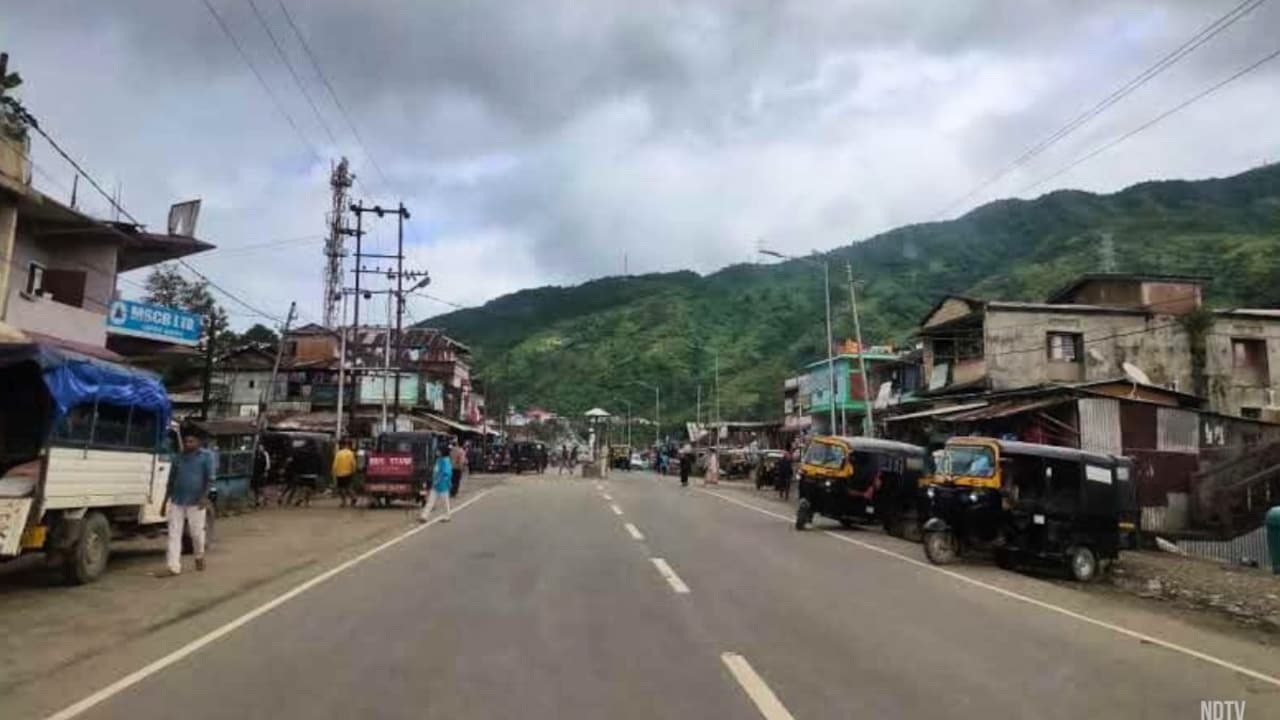
Manipur faces a persistent, long-standing crisis defined by systemic highway extortion rather than solely ethnic tensions. This illicit practice has severely impacted the region's economic stability and security landscape for decades.
The Hidden Economic Undercurrent of Manipur's Instability
While public discourse often centers exclusively on the ethnic dynamics within Manipur, a critical, long-term factor remains the deeply entrenched culture of highway extortion. For decades, the state’s primary transit corridors have been subjected to systematic illegal taxation, creating a shadow economy that complicates governance and regional stability. This phenomenon is not a recent development but a persistent structural issue that has plagued the movement of goods and people for generations.
The Mechanics of Highway Extortion
The extortion rackets operating along Manipur’s highways function as a parallel governance structure. By controlling the flow of essential commodities, fuel, and construction materials, these groups effectively dictate the cost of living for the local population. This illicit activity serves as a primary revenue stream for various armed factions, allowing them to sustain operations outside the purview of the state apparatus. The persistence of these rackets suggests a high degree of integration between local power structures and the physical transit corridors themselves.
Economic Implications for the Region
The economic consequences of this prolonged extortion are profound. The added cost of 'taxes' levied by non-state actors at various checkpoints is inevitably passed down to the consumer, leading to inflated prices for basic necessities. This predatory environment discourages legitimate private sector investment and stifles the growth of local industries, as entrepreneurs are forced to account for the 'cost of doing business' in an environment where safety and transit are not guaranteed by the state.
Historical Context and Governance Challenges
Historically, the inability of successive administrations to fully secure these highways has allowed these rackets to become institutionalized. Because these extortion networks are often linked to broader political or militant agendas, addressing them requires more than just increased policing; it demands a complex political solution that addresses the underlying incentives for such activity. The longevity of this issue highlights a significant gap in the state's reach, where the authority of the government is frequently bypassed by the power of those controlling the roads.
Future Trends and Security Outlook
Looking ahead, the stability of Manipur will remain fragile as long as these highway extortion networks remain intact. Future efforts to bring peace to the region must prioritize the dismantling of these illicit financial lifelines. If the state cannot ensure the free and unhindered movement of goods, the cycle of economic deprivation will continue to fuel the very tensions that keep these extortion rackets in existence. Solving the 'highway crisis' is, therefore, a prerequisite for any meaningful long-term development in the state.
Verification Required?